Ratio Visuals

Architectural Rendering of a Building: Ultimate Guide for Architects & Real Estate

Architectural Rendering of a Building

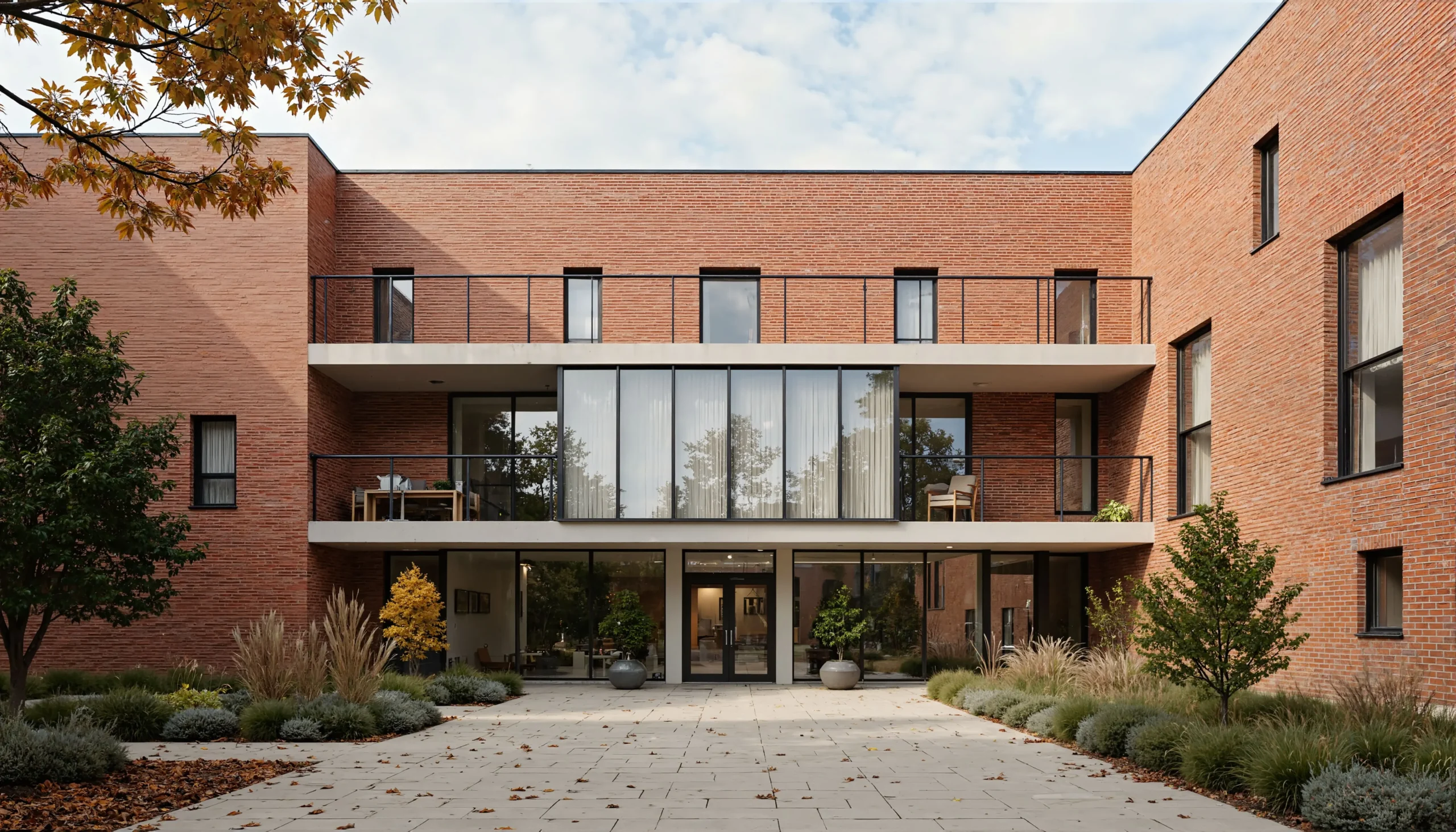
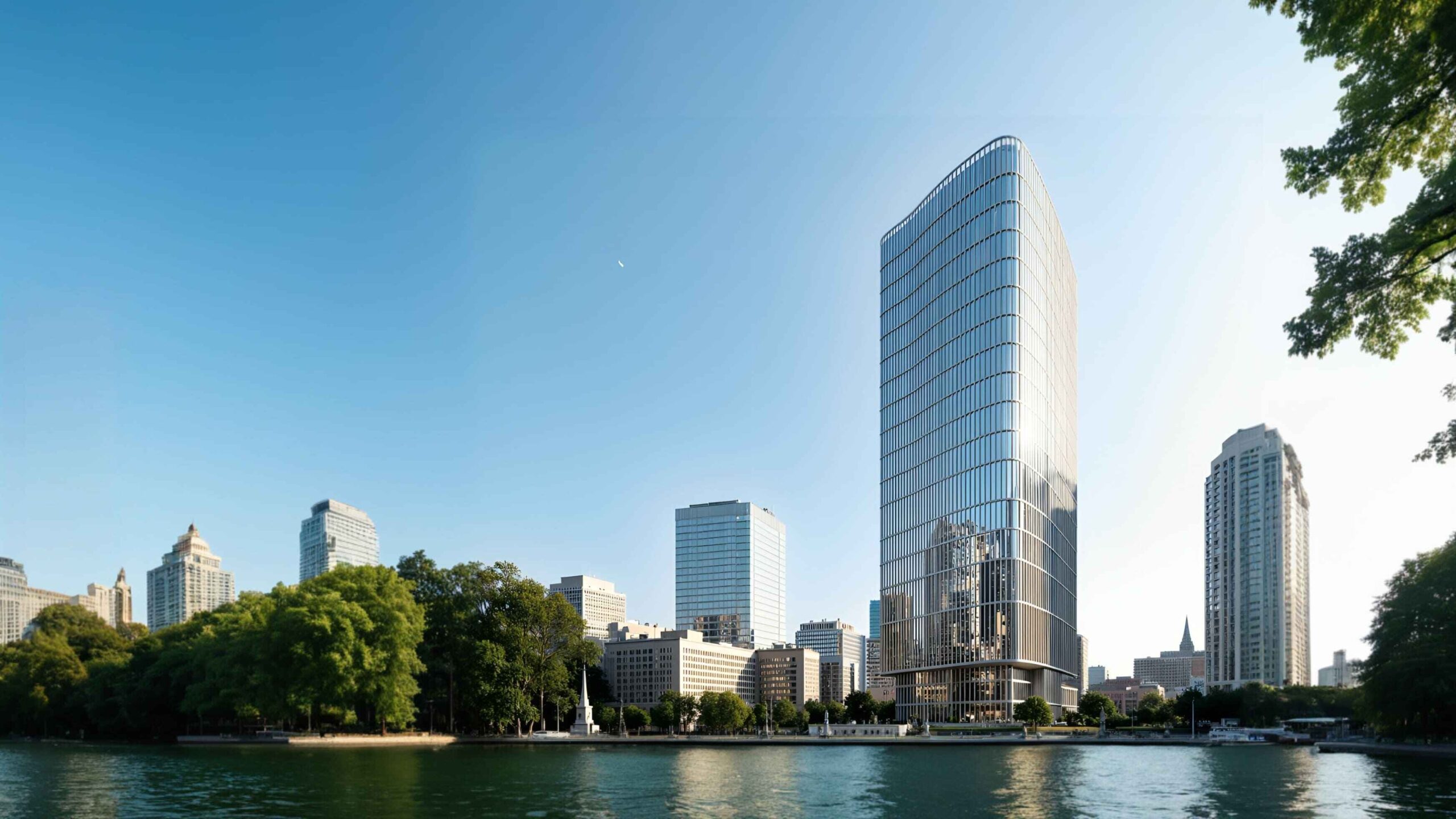
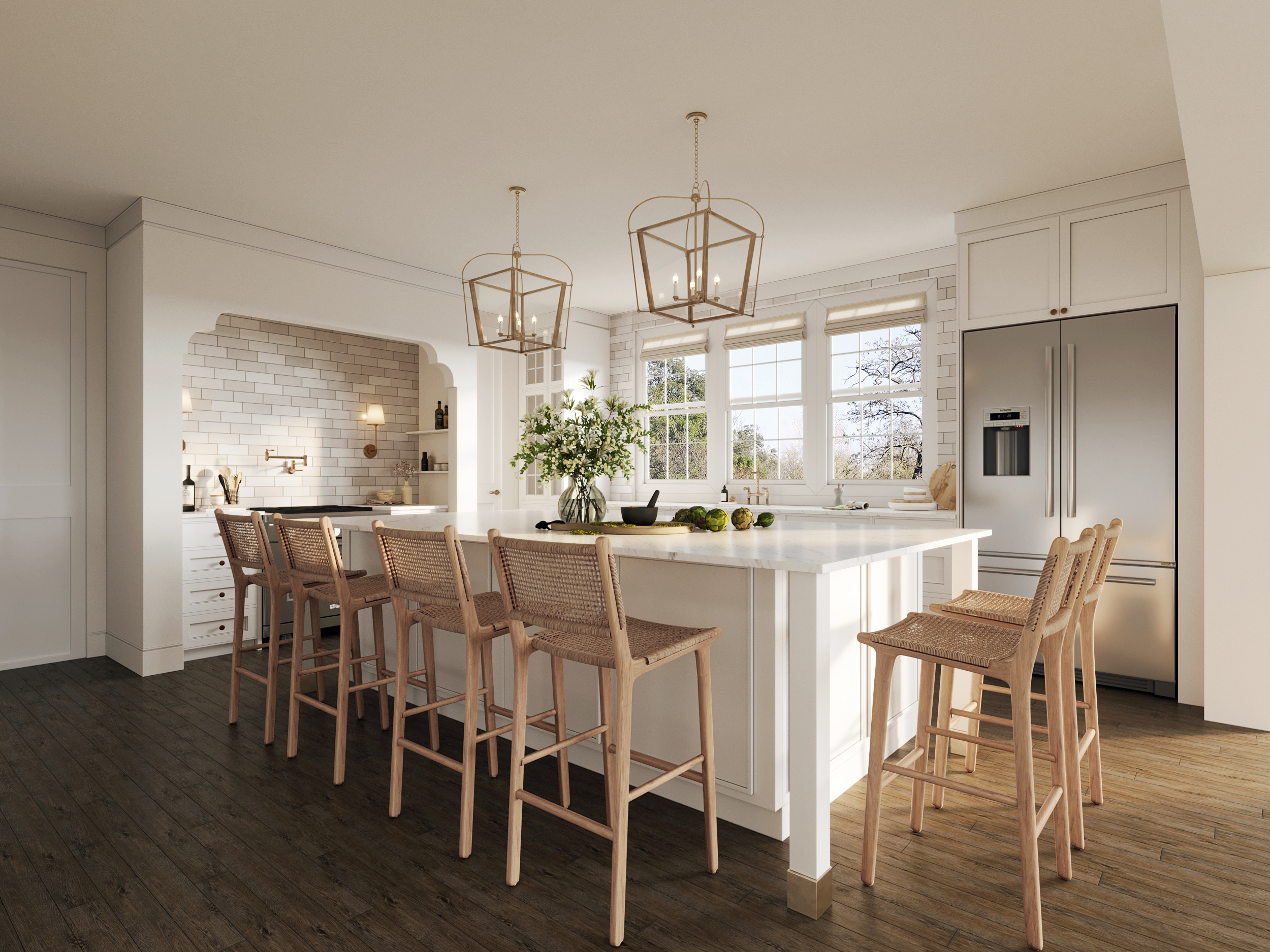
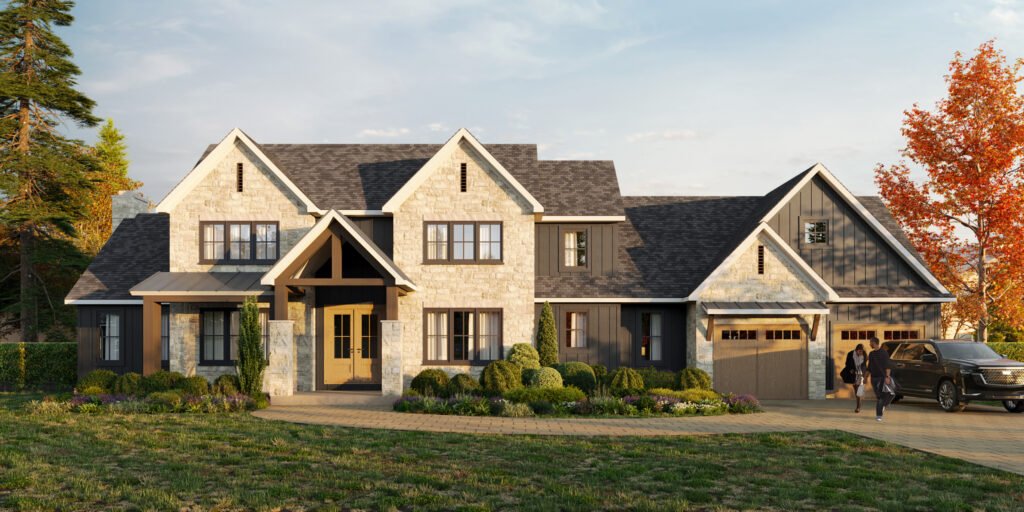
In the rapid-paced design and real estate industry, an architectural rendering of a building is no longer just a luxury, it’s a requirement.  It doesn’t matter if you are an architect showcasing a bold new idea or a real estate agent selling properties before they are constructed, high-quality architectural rendering’s allow your buyers to see their possible future in high quality resolution. 

So, what is architectural rendering, and what is the importance of architectural rendering? Let’s break it down.

What Is Architectural Rendering of a Building?

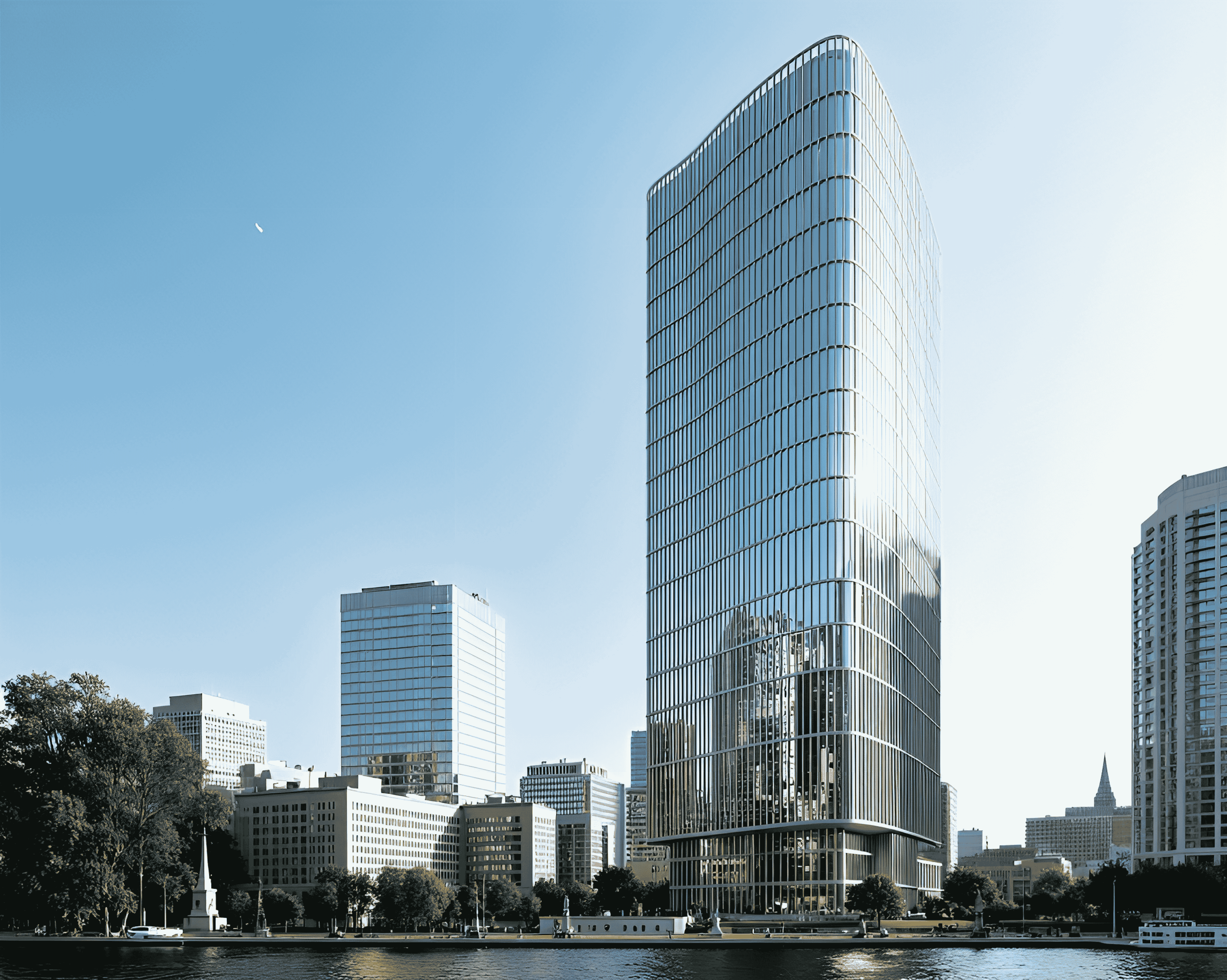
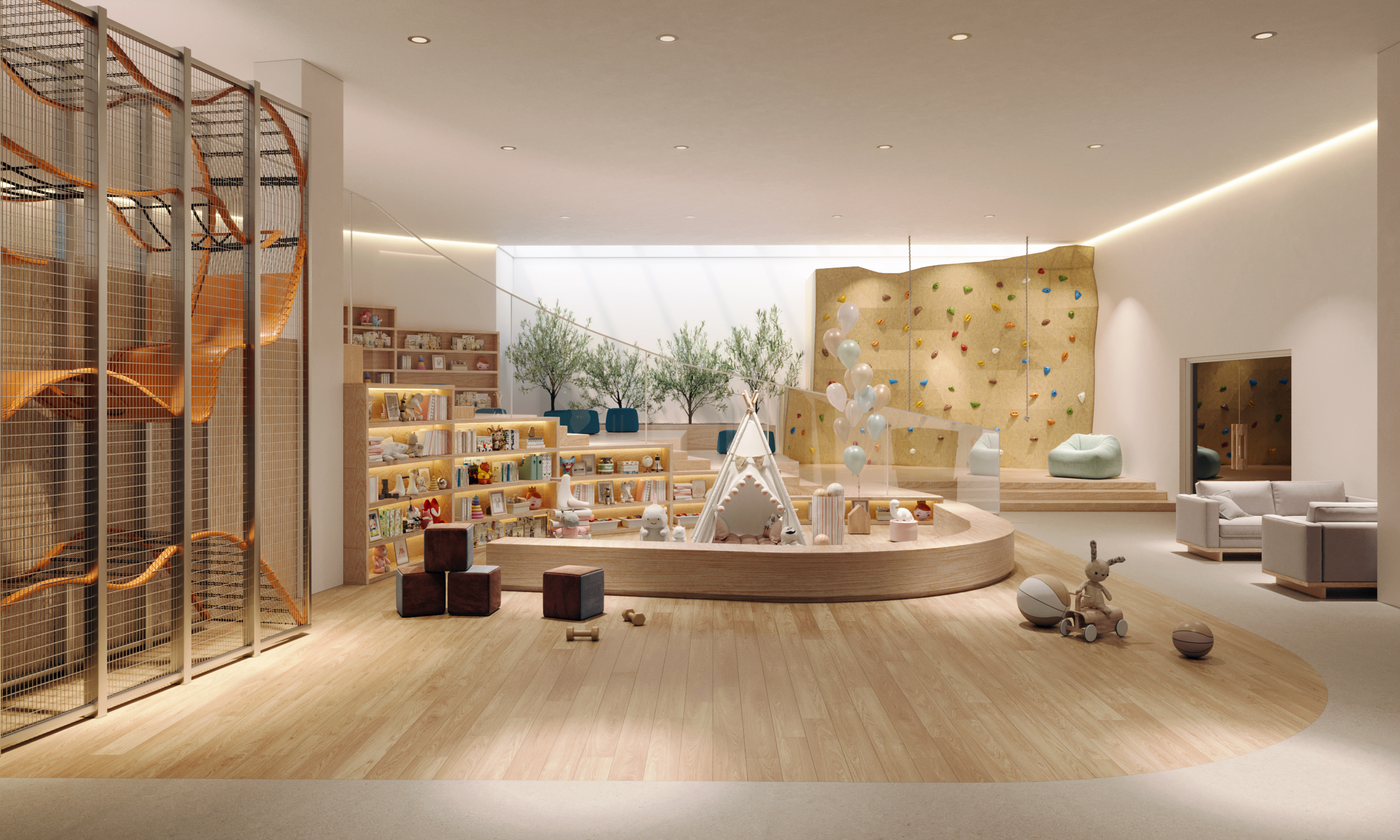
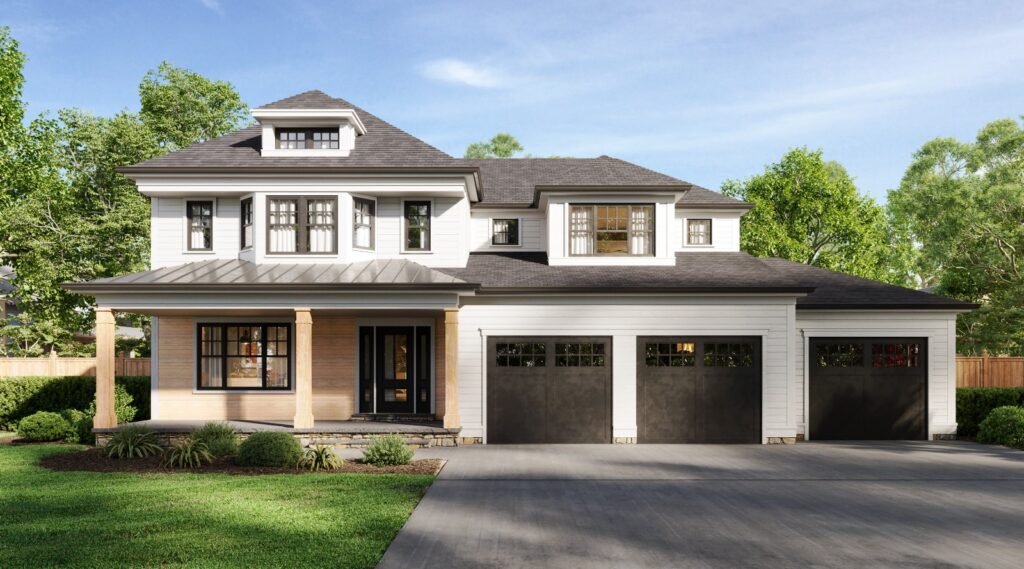
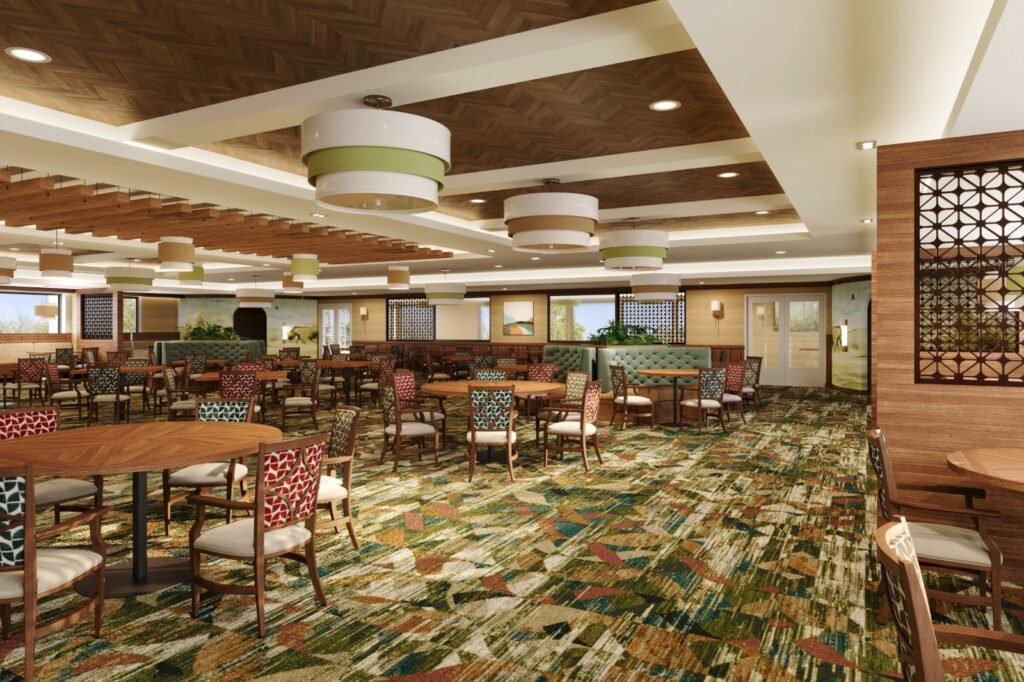
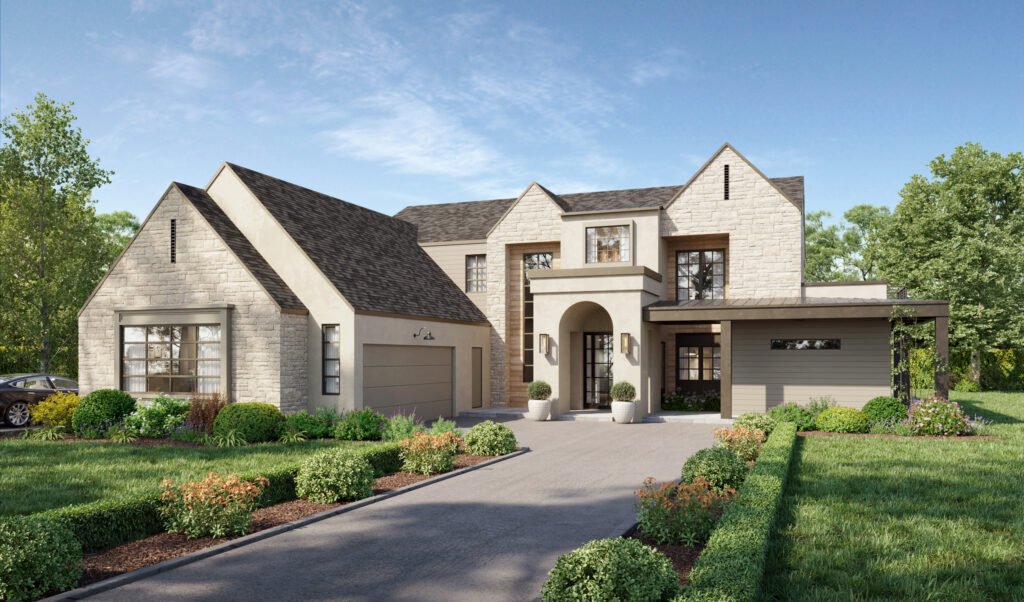
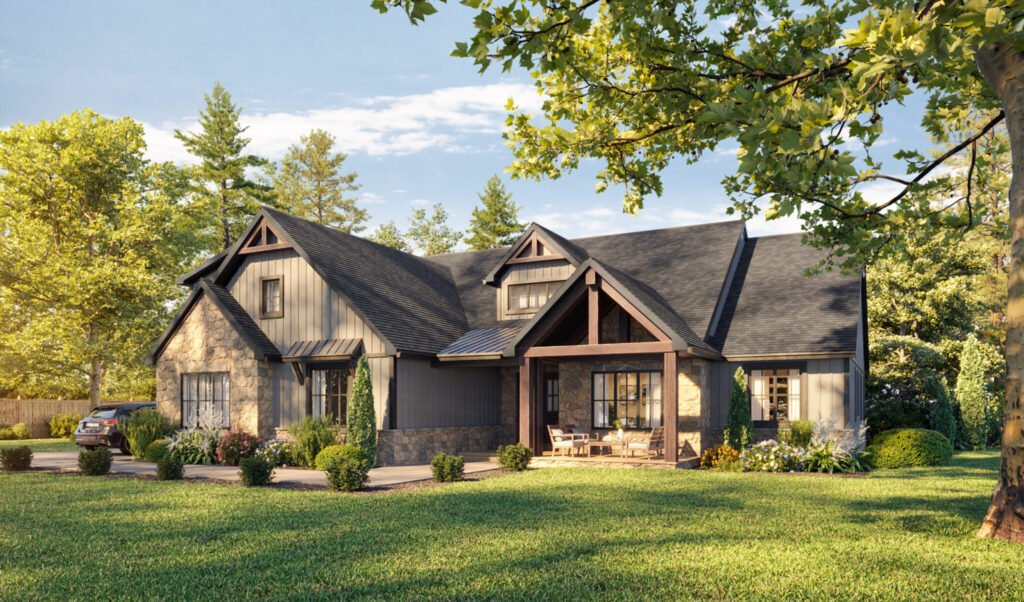
An architectural rendering of a building is a photorealistic 3D visual representation of how a building will look after all of the construction is completed. Designers utilize design software to simulate realistic materials, lighting, textures, and even landscaping to produce realistic images or animations.

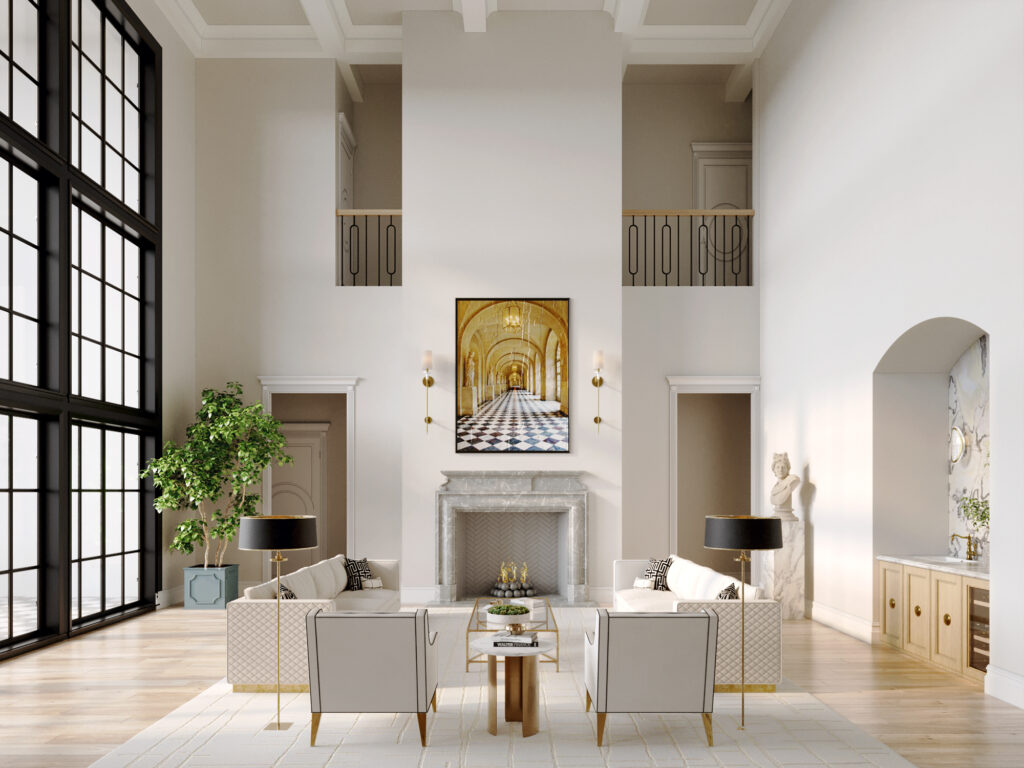
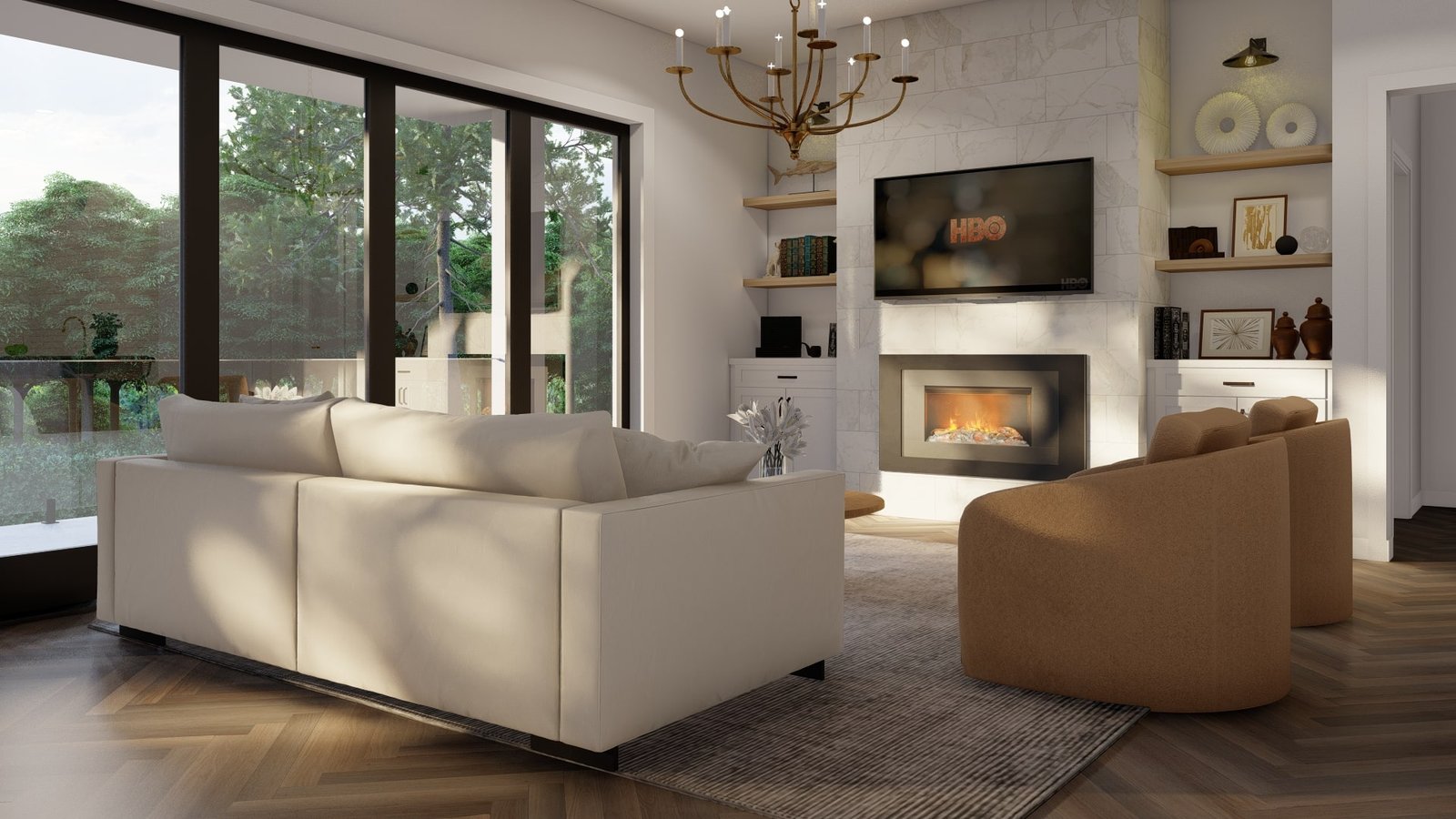
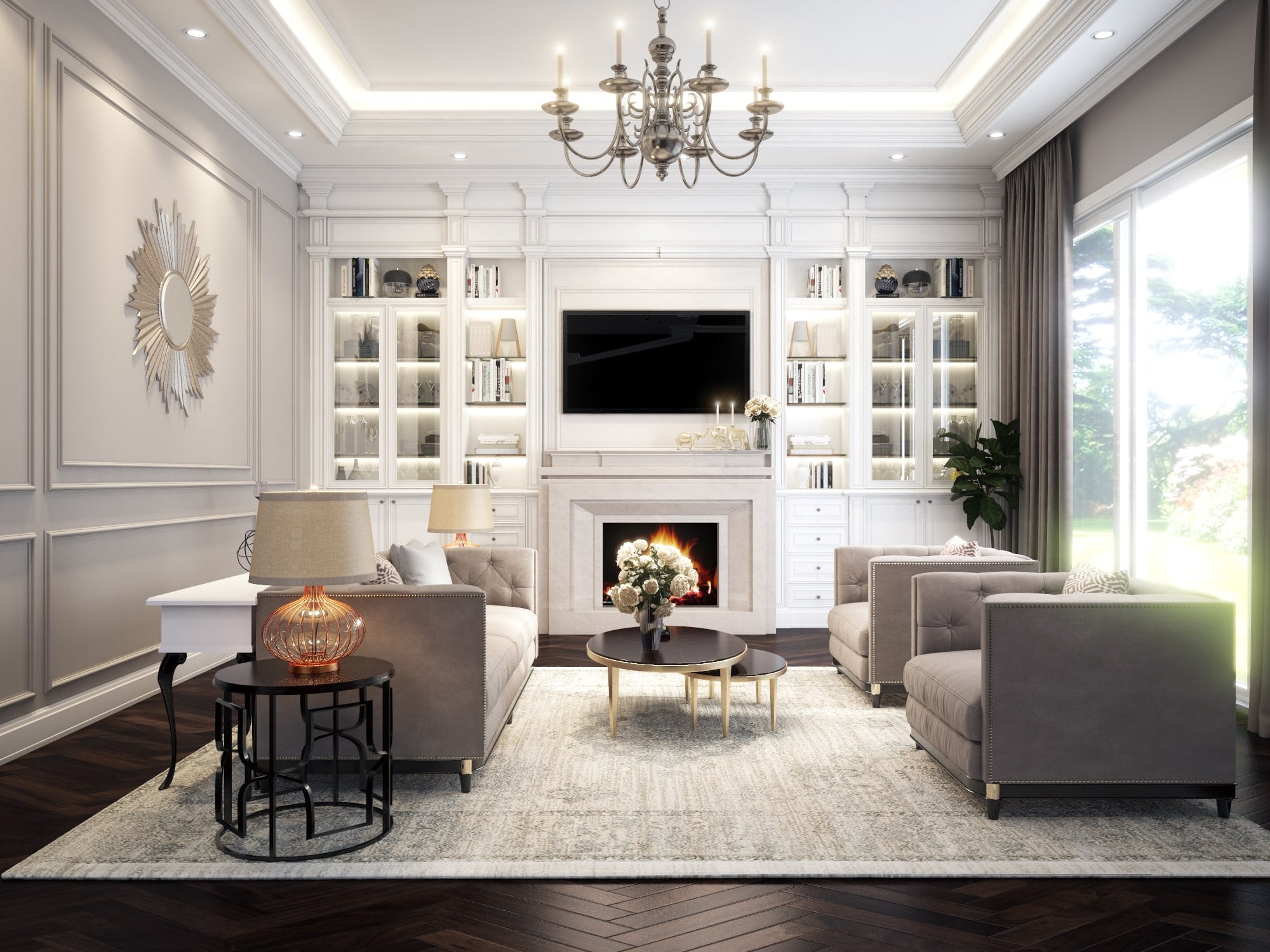
Living room rendering is more than just a nice image; it is the ability to visualize what your space will really look like.

This allows architects, developers, and buyers to:

Why Architects Need High Quality Building Renderings

There are moments as an architect when you see the potential of your lines of sketches as a compelling building, however, your clients may not see that .This becomes a huge benefit architectural rendering of a building.

Advantages of 3D Rendering of a Architectural Building

A good rendering doesn’t just illustrate a building – it sells a dream.

Improved Visualization – Offers photo-realistic previews of designs, helping clients and stakeholders envision the project before it is constructed.

Cost & Time Savings – Finds design flaws early, which reduces costly revisions and schedule adjustments during construction.

Enhanced Marketing & Sales – High-quality pictorial representations attract buyers and investors by allowing them to picture the possibilities for the property.

Enhanced Marketing & Sales – High-quality pictorial representations attract buyers and investors by allowing them to picture the possibilities for the property.

Better Client Communication – Diminishes misunderstandings from diagrams by providing clients with an accurate life-like depiction of the architectural vision.

Competitive Advantage – Stands out from competitors during presentations and proposals, making it easier to win more projects with appealing visual materials.

Types of Architectural Renderings

Real-World Impact

Whether it’s a modern city loft or a cozy suburban home, our clients consistently report higher satisfaction, faster project momentum, and fewer costly missteps.

Understanding How the Architectural Rendering Process Works

Is it complicated to get a 3D rendering? Not at all, the process is fairly simple:

Step 1: Submit Your Design

Submit your sketches, or floor-plans, or CAD files.

Step 2: 3D Modeling Begins

We create a digital model of your building.

Step 3: Materials and lighting added

As well as textures, colors and shadows to make it realistic.

Step 4: Review and Revise

Once we’ve sent you the initial model, you provide us with feedback until you get the drawing built to suit.

Step 5: Final Rally for Completion

You will receive high-resolution images, animations/model, or virtual tours.

Most firms will specify that revisions are included within their original proposals so you can be assured that your drawing will accurately represent your vision.

Ratio Visuals

3D vs 2D Rendering: What’s the Difference and Which One Is Right for You?

Difference between 3D and 2D Rendering:

Rendering is an important part of the whole process of conveying concepts and ideas into visual communications. We have all encountered rendering in some form over the course of our professional careers and if you are involved in any way in the field of architecture, real estate, gaming, or the interiors field, I am sure you will appreciate the discussion of 3D rendering vs 2D rendering.

They each have their own strengths and weaknesses, and they both hold value depending on the purpose of your project and the outcome you want to achieve. This blog will outline a few of the key differences (and similarities) of each meaning to provide some insight into the uses, benefits, disadvantages, and how to consider your own needs to establish what is right for your project

What Is 2D Rendering?

2D rendering is considered the process of producing flat, two-dimensional representations derived from sketches, plans, or vector graphics, which have height and width but neither depth nor perspective.

  • It is a method that has been around for decades as conventional means of conveying ideas in design, architecture and animation.

  • In Architecture – 2D renderings in architecture often assume the form of floor plans, elevations and sections. In gaming and animation, this is typically used to create sprites or still backgrounds.

  • Advantages of 2D renderings:Speed and ease: 2D renderings typically take less time and resources to produce.

  • Cost: Great for projects with tight budgets and simple design.

  • Ideal for technical documentation: A great means of generating blue prints, construction instructions, and engineering drawings.

The disadvantage of 2D renderings is reduced realistic rendering.Users cannot truly interact with or visualize space as they would in the real world, which can negatively affect their visual experience (i.e., when being marketed or shown to a client).

What Is 3D Rendering?

D rendering is just what it sounds like: Creating realistic, three-dimensional images from digital models. These images have depth, texture, lighting, and shadows, so they appear very real! Whether it’s a fully furnished apartment interior design or a futuristic scene in a video game, 3D rendering provides viewers the chance to experience a concept in full detail

Generally, 3D rendering involves, modeling, Texturing, lighting, Post-processing- with software like Blender, 3ds Max, V-Ray, or SketchUp.The benefits of 3d Rendering are:

3D vs 2D Rendering: Key Differences

When comparing 3D vs 2D rendering, the most obvious difference lies in dimensionality. But there are several other factors to consider:

Each rendering type excels in its own context. If you are in the construction documentation phase, or need to document things with a rapid speed of service, then 2D is the you should use. But if your intension is to amaze a client with an incredible representation of their future residence or sleek product prototype, then 3D rendering is the better option.

Feature 2D Rendering 3D Rendering
Dimensions
Height and width
Height, width, and depth
Visual Realism
Flat and abstract
Highly realistic with textures and lighting
Speed
Faster to produce
Time-consuming depending on complexity
Cost
Generally more affordable
Typically more expensive
Use Cases
Technical drawings, floor plans, UI
Architecture, product design, real estate
Software
AutoCAD, Photoshop, Illustrator
3ds Max, Blender, V-Ray, SketchUp

Which One Should You Choose?

The choice of 3D and 2D rendering is entirely dependent on your project, the goals of your project, the audience for your project, and your budget. Below is some guidance to help you determine your needs:

Final Thoughts

In the dilemma of 3D versus 2D rendering, there is no single answer as each has its benefits.

\The selection of either 2D and 3D rendering ultimately comes down to your project’s purpose.
2D rendering has proven itself in technical communication, while 3D rendering has established its dominance in storytelling, visualization, and marketing communications.If you are considering your next design project or launching a campaign, think about what type of impact you want your visuals to have – and this should dictate your rendering style.

Ratio Visuals

Living Room 3D Renderings for Architects and Homeowners

Living Room 3D Renderings for Architects and Homeowners

Redesigning your living room can be an exciting venture — but it comes with a lot of choices, risks, and unknowns. Whether you are an architect designing for a client, or a homeowner looking to create a new space, there’s one tool that will streamline the process, speed up the timeline, and make it visual: 3D renderings of living rooms.


When 3D technology was less sophisticated, designers were forced to rely on mood boards or sketches to communicate design intentions to clients. Now, 3D renderings allow you to see a hyper-realistic preview of your new living room down to the lighting, textures, and shadows falling across their new sofa.


Here is why living room 3D renderings are changing the way living spaces are designed, and how you can utilize this service to bring your visions to life.

Understanding Living Room 3D Renderings?

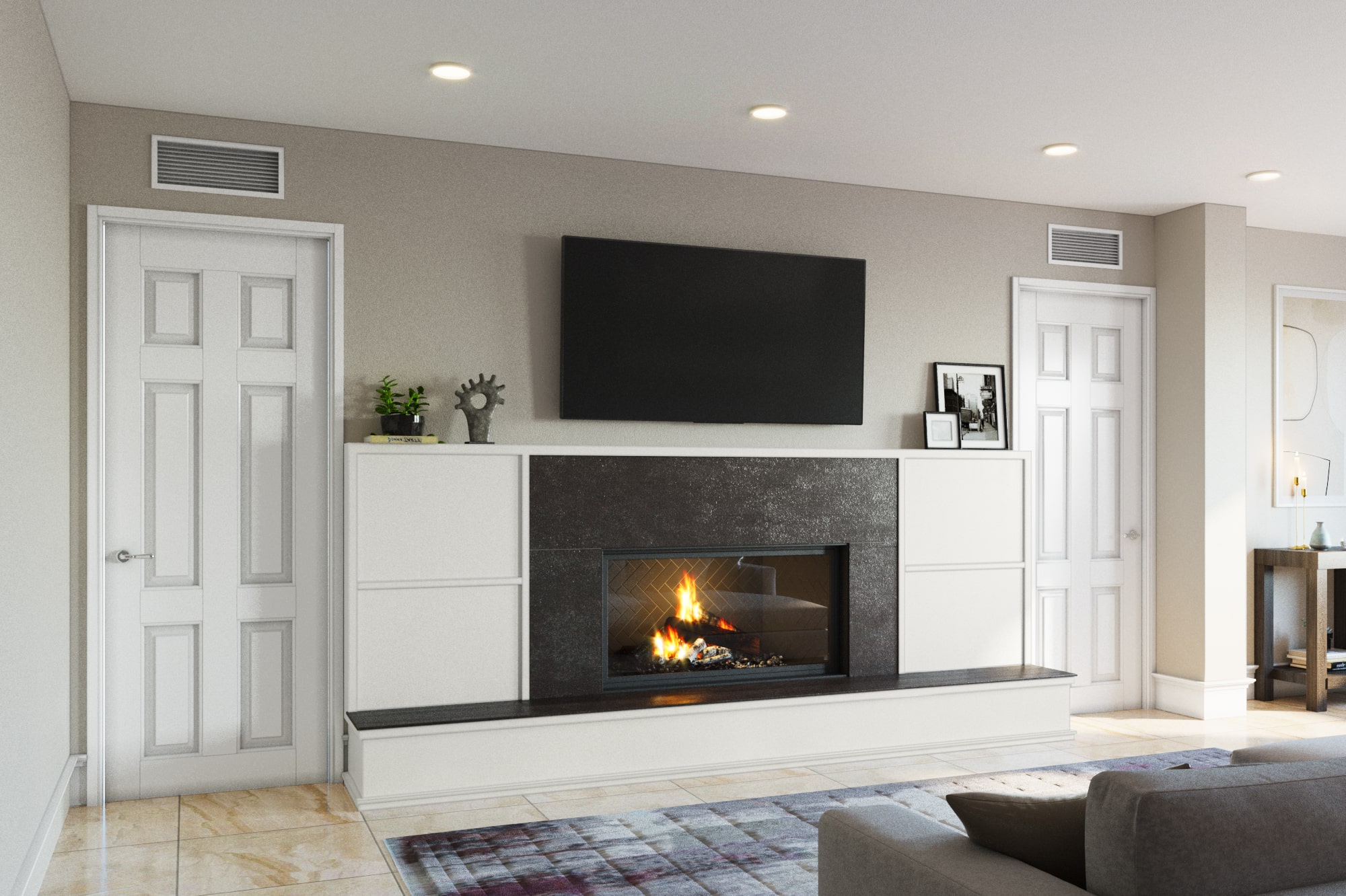
Living room 3D renderings are images that illustrate your forthcoming living room space scene with photo realistic accuracy. A 3D rendering is produced using the latest architectural rendering software to depict everything from a layout, furnishings, to lighting and material textures in stunning detail.


Rather than imagining how the living room might have looked from a floor plan or color swatch, you will get to see it – just like it will in reality.


As a professional 3D rendering specialist, I work with architects and homeowners to take concepts, mood boards, or sketches and fully render the living room design. Whether you prefer something modern and minimal to warm and cozy, a custom 3D rendering will help you visualize the space before you make expensive commitments.

Benefits of Living Room 3D Renderings for Redesign Projects

If you are creating a design on paper, or if you are working from architectural renders – 3D renderings offer clarity beyond compare. In this post, we discuss how 3D renderings can help support you in your project.

1. Visualize before you renovate Projects

When choosing wall colors, furniture styles or lighting fixtures, it can feel overwhelming. A 3D rendering offers a no-cost way to experiment with different combinations in a virtual space before spending any money. It’s design without the gamble.

For an architect, this equates to less rework and better presentations to their clients. For a homeowner, this equals a more confident decision.

2. Clearly communicate your vision

Miscommunication is one of the largest challenges in design. Whether you’re communicating your ideas to a contractor, a partner, or an interior designer, there is instant and visual communication in a 3D rendering. There is no interpretation—only clarity.

As your rendering partner, I make it as simple as possible for you to represent your vision with as much detail as you desire – from furniture brands and lighting sources, to layout changes and finish materials.

3. Make informed design choices

Are you thinking you want to take down a wall? Or thinking in terms of scale, is a sectional better than a two-seater sofa? Living room 3D renderings provide a way for you to experiment with layout, scale, and function all at the same time.

Why Choose Living Room 3D Renderings?

You don’t need to be an architect or an interior designer to take advantage of 3D renderings; here’s who can use this service:

Ready to Visualize Your Dream Living Room?

If you’re planning a living room renovation, or working with clients who want to preview their plans before making decisions about the space, living room 3D renderings are smart move forward. I provide accurate high-quality, photorealistic 3D renderings that allow architects to pitch confidently and homeowners to plan worry free. You simply provide me your plans, ideas, or even drawings, and I’ll take care of the rest.

Ratio Visuals

Speeding Up the Process of 3D Rendering

OVERVIEW

3D rendering enhancement is crucial for promoting quality work process and meeting stipulated deadlines. Irrespective of the large visions or complex simulations, you can control the power of quality and save on rendering time. For either comprehensive building models, well-crafted animations, or other rendering purposes, Ratio Visuals has designed tips and tools for you. If render time is an issue, this ultimate guide to faster 3D rendering, provides some ways to do just that.

Why Rendering Speed Must Not Be Overlooked

Rendering speed is critical for meeting order deadlines, maintaining productivity levels within the projects, and even managing the clients’ [or the customers’] expectations. In such scenarios where the deadlines are very tight, faster rendering encourages trying more rounds taking time in between which would be wishful thinking for the designer. Rendering speed optimization is key when it comes to achieving satisfactory high quality visuals without much of a wait

A Brief Understanding of Rendering in 3D

3D rendering can be described as the process of creating 3D animations or pictures, quite similar to revamping a 3D model into a highly lifelike image, as well as totally transforming the 3D perspective entirely in specialized computer software; it is a crucial step for relaying core concepts through a single frame Many people envision the rendered output of their designs without necessarily being restrictive with light photographs, textures and materials. The end result is a great visual presentation of a Many people envision the rendered output of their designs without necessarily being restrictive with light photographs, textures and materials. The end result is a great visual presentation of a 3D concept or a design on a specific focused area.

Major Positive Notes for Boosted Rendering Speed

When the rendering time improves, the trade off cycle time decreases enabling a cycle time reduction of workflows internally allowing for more free thinking hours for the require tasks to be undertaken. Rendering speed increase also increase overall work force productivity since these fast free instant renders can also be used for previewing other 3D images promoting faster 3D rendering productivity.

Tricks for Hardware Optimization

Upgrading and optimizing your hardware is probably doing the most work among the other hardware optimization tips. By getting such components, the members will be able to reduce the time taken to render the model quite efficiently.

Upgrading Hardware Components

Getting a modern GPU and a powerful CPU along with sufficient RAM mostly does the trick for fast rendering. Once these components are upgraded, the users will have a seamless experience while dealing with more complex models and scenes, and processing them as well.

Using SSD Over HDDs

Using SSDs instead of HDDs for storage will lead to faster write and read speed. This saves time while loading various assets and software, hence speeding up the rendering workflow.

Made Optimizations to Preferred Software

Everyone has their own software preferences, and on those software tools, optimizing them can help greatly increase speed without worrying about changing the hardware. Fiddling around with some settings also ensures effectiveness and a desired quality.

Altering the Render Settings

Even adjusting sampling rates, denoising tools, and turning off renders that aren’t needed saves time as well while still keeping the visuals’ quality at a decent standard

Enabling Multi-Threading

Turning on multi-threading in the rendering software for CPUs provides the same core with multiple tasks to carry out in the same clock cycle, allowing for faster rendering speeds at the same time.

Heavy Assets With Optimized 3D Models

Having optimized, 3d models along with lighter assets would help in rendering taking less time, since lighter designs gives one less computations to run.

First Step: Improving Models

You can improve the efficiency of rendering of your 3D models by removing some details and decreasing polygon countswhile making sure that the end look of the model is not affected.

Texturing Tips and Resolutions

When it comes to texturing, it might be useful to employ a balance between speed vs quality’s use of texture by scaling appropriately. A good way to do this is to refrain from employing overly high-resolution texutures for objects comprised of a large distance and instead confining them to only close objects and areas in need of it

Super Cheat Montage, Time Suing Techniques

Time can be saved and consistent quality is anticipated by employing smart rendering strategies. If that seems a bit daft, I assure you, these techniques exist and enable you to perform complex work easily.

What is Split Rendering, And Why Should I Use It?

When creating scenes, rendering can be done in layers or passes. This enables different sections of the scene to be rendered separately allowing for different composite controls to be employed and tinkling in the finish as needed.

Rent Or Buy: The Moral Dilemma.

Speaking of fast rendering, render farms are becoming a common tool for many artists as not only are they able to significantly reduce the time it takes to render a scene, it helps a lot of time consuming projects get pain free and easy. Ribbons can get worn out pretty quick.

Getting Better With Practice Makes Perfect.

I won’t sugarcoat it, if one wishes to improve their rendering, and start using post production to tune their images to their desired final outcome, they would have to focus on rendering as much as they can.

Trim The Fat

To make the trimming process easier to get the required visuals engage in as a first step engaging for simple tweaks like color grading and lighting corrections. Being excessive in retouching for shadows and highlights does not prove to be effective.

The Great Finale, Remembrance Of The Past.

Getting the ultimate goal balance between enhancing the realism of the map without over shooting and hindering work progress for the future while possible can be tricky.

If you want to receive faster results while maintaining quality, it is possible by upgrading your hardware, changing software, doing better modeling and applying some smart techniques. Ratio Visuals is here to assist boost your rendering process and improve the quality of your images with great speed.

Ratio Visuals

The Perspective of the Sun in Architectural Rendering from the Eye of a Modern Architect.

OVERVIEW

Renderings of modern-day architecture have to pay particular attention to the placement of the sun if the design created is to be said to work in terms of realism and motivation. Light effects can be simulated based on the sun’s course which, in turn, is useful in revealing the textures of materials as well as demonstrating the movement of light within and through various spaces during the course of the day. Such a technique improves the acceptance of the renderings making it easier for the clients to appreciate what their projects would look like in reality. From the privacy of a residential house to sprawling metropolitan cities, Ratio Visuals makes sure that sunlight comes into play in each of their renderings through the use of luxurious techniques.

Why the Sun’s Position is Crucial in Rendering

For example:
Take peuter a low south spinning sunlight for example, without having to change or affect the level of exposure; the image will still result in bright hues, because of the exposure to the south sunlight. For the best results, consider altering or manipulating the position of the sun depending on the desired result.

Creating Realistic Lighting Effects

In all renderings, it is critical for the sunlight to be appropriately adjusted, as the optimal angle not only adds depth but realism also, and guarantees that the sense affects through vision are in sufficient quantity to give a sense of authenticity.


Highlighting Material Textures and Finishes

Natural light is depicted in renderings to better show the texture, finish of the materials and details like reflections, shadows and other changes that would enhance a design

Effect of Natural Light on the Spaces

By simulating daylight we can show how exterior and interior would look like when the sun sets or rises and helps the client to understand the use and feel of the place at different points of the day.

The importance of light in renderings.

There are several techniques which are practiced by the architects and renderers to bring sun effect in their visualizations, these methods ensure that the lighting and shadow effects are vivid in the renderings.

Determining the Placement of the Sun with a Sun Path Diagram

The sun path diagram provides information on the sun’s location in terms of time and year which helps renderings give a realistic lighting effect by giving accurate assembly of sunlight.

How to simulate daylight and shadow patterns

Simulating daylight and shadow enables the architects to present the passing of light through spaces giving a more life and active effect of the design.

Changing the environment settings of the render at a specific point in the day.

Light from natural sources can be effectively presented to the clients by changing the rendering settings morning, day and night as a result the client contains detailed insight on how the design interacts with the light.

Sun-Aware Rendering Solar Tools Online

Architectural visualization tools and software continue to advance as fresh opportunities arise: the integration of sunlight into a rendering. These solutions create precision without complexity within the rendering settings while bringing realism in the rendering.

Light Simulation Modules used: Revit, SketchUp and Lumion!

Quite a number of extensions and modules have been developed like Revit and Sketchup as well as Lumion assisting in the enhancement of the design by providing realistic sun simulation effects.

Utilizing GIS Data for Sun Positioning

Sun positioning would be more perfect with the help of GIS data which integrates daylight with the geographical position, season, and weather to make an architectural visualization even more realistic.

Adjusting Dynamic Sunlight and Shadows with Real-Time Rendering

Architects are able to alter the Sun’s position and the shadows cast by the Sun in real-time without any rendering pains as those tools are instant.

Barriers and Issues in Sustaining Sun Relations in Rendering

In a rendering system, it would be of great understanding to incorporate some of the pitfalls for satisfactory end results whereby sunlight becomes a challenge.

Finding A Leeway Between Realism and Creativity

There should be a fair compromise between rendering with good looking aspects and rendering that is structural.

Accounting for Global Climate and Geographical Considerations Atspan

The portrayal of the sun in drawings is the same as the exposure of the sun in real life by merging the conditions in images with the sun and other elements of trust.

How to reduce the risk of overexposure or shadows that look too fake.

Adjusting exposure levels and positioning and placing shadows in logical places so that renderings do not appear overdone or artificial for a realistic professional look.

Case Studies: Renderings which use sunlight effectively.

View architectural renders which stand out due to the effective application of sunlight and how it works within the overall designs.

Solar Optimized Residential Designs

Residential projects which require accurate positioning of sunlight show natural lighting can improve the warmth inside and also on the outside.

Urban Landscapes including interaction of sunlight.

Urban renderings make good use of sunlight and shadows in the composition of the views of the cities throughout the day.

Renderings That Use Daylight Best Are

Day lit architectural renderings utilize the sunlight in such a way as there are best examples of what the potential of a design can have.

Conclusion: Improving Renderings with Emphasizing on the Sun Construct

Including the sun in the renders of the building makes them better images of the building, improves their in use capabilities and enhances their visual value. Relying on the sun’s position and applying the most up-to-date instruments and approaches, architects and designers can produce models which can be appreciated and trust in what is expected of the completed projects. That is why Ratio Visuals will enable you to produce images that sell your designs with the sun as the major highlight.

Ratio Visuals

Converting Concepts To Reality: 3D Rendering Interior Design For A Real Estate Investor Firm

At Ratio Visuals, we are passionate about turning ideas into realistic pictures, and our recent task for a real estate investment firm in Georgia and Arizona has put our skills on the line. The demand of the client was to envisage a high class house that was yet to be built so as to help future clients in the visualization of the look and feel of the property. The project required the creation of twelve interior renders such as those of the great room, the kitchen, the hallway, the foyer, the dining room, the bedrooms and the bathroom. With the high end requirements and several interesting factors incorporating this project, our team had a testing time with this project.

The project scope: a vision to bring forth a house that has not yet been created but is visually accurate.

Their aim was to market the house in such manner that people would WANT to purchase the house even before the actual construction began. In order to do so, he asked for: 3 Great Room Renders 3 Great Room Renders 1 Hallway Render 2 Kitchen Renders 2 Foyer Renders 1 Dining Room Render 2 Bedroom Renders 1 Bathroom Render And every single render had to hold the particular shape and design of the space that it was focused on and the level of detail required was unprecedented, but there were two main problems that complicated this project even more.

The Challenges: Free-Hand Design and Unique Interior

Transferring Free-Hand Drawing to CAD:

The layout provided by the client was completely hand-drawn. Since I had no digital files or pdf’s, my first trying effort was to convert these to cad files which meant painstakingly looking for every measurement and angle of the clients drawings probably trying to interpret each of his drawing. While this might sound easy, converting free hand drawing plans and sketches into autocad is a slow process and drafting each hand sketch plan required perfection which more speed finished with the 3D model for the project.

Bespoke Furniture and Decor:

With the level of this project, a person would require a very high degree of customization. Since the client has a picture for every element of the space, be it the sofa, the lamps, the cabinets, and even the art pieces, every element had a detailed description from him. Our experienced 3d professionals made a 3d model of every item to ensure that it conformed to the clients requirements. Such meticulousness required time, but it was necessary in order to fulfill the quality requirements of the project.

I will be explicating how renders can be made starting from converting sketches into 3D models.

Step 1 – Sketch2cad:

The first step that needed to be completed was taking hand-drawn plans and converting them into CAD files. Complete drafting was required to gauge the measure and bearing of the plans as closely as possible. Post accomplishing the CAD completion, we proceeded towards 3D modeling.

Step 2- Modeling Structures in 3ds Max:

Using 3ds Max, we developed a detailed 3D model that revolved around the CAD files of each specific room. Each room was modeled to be spatially correct in all three aspects to try and ease the flow of the room for the clientele.

Step 3 – Designing Furniture’s and Other Decor:

The coming step consisted of busting out the modded furniture’s and decor items. This stage deserved importance due to the fact it was the stage where the envisioned furniture appeared. Our designers aimed for accuracy during this stage as well – They focused on everything’s, fabric, wood, and lighting.

Step 4 - Changes in Customization Requirement In Collaboration With Client:

Working with the client’s approval in this case was imperative due to high levels of customization. Routine Zoom meetings were held to see what type of feedback is received as well show clients the progress. Once every round of revisions were completed, changes were made as per client suggestions. Multiple such rounds were sufficient enough to make the design satisfactory.

Final Rendering and Post-Processing:

After finalizing the 3d model, custom items were quite simple to get on with since we were ready for the final render phase. Lighting, shadows, and textures. All of them were carefully adjusted in order to make the render look realistic. All the renders were then followed by post-processing for putting emphasis on certain details thus giving it a clinching look that seemed perfect for the client’s needs.

Final Results and Reflections

In the span of two weeks, our team worked around the clock to finish the 12 renders. Their energy and attention to detail helped transform the virtual image of the none built home into a reality. The client loved the final results just as much as we did. This project was one of the handful that put a strain on out skill set while simultaneously helping us grow, Work always gets done better when there is collective effort, team spirit, and attention to the project.

The Benefits of 3D Interior Renderings for Real Estate Developers and Investors

Rendering houses, especially for developers and investors, looking to sell a house that is yet to be built has now become a norm and for this reason, Investment and renderings have become a key component to real estate. Here’s how 3D interior renderings can help you win the market:

Visualizing Spaces Before Construction:

For a developer, a render eliminates the initial nine billion steps where they showcase the design, structure, and theme of the entire house, before laying a single brick. This allows te buyers to exactly know what there money is going into and gives them a picture of there potential lifestyle.

Expanded Marketing Opportunities:

3D rendering creates a great marketing tool for web and social media, attracting attention and generating interest for the firm and giving them an edge over competition. Brings in attention, arouses interest and provides the investors a competitive edge in a tight market.

Saving on Costs with Virtual Changes:

In our renderings, 3D technology enables us to make alterations virtually, which saves time and cost. Investors and customers can assess and modify elements in the render without inhibiting expensive construction modifications.

Ability to illustrate custom components:

Only custom-built furniture and fittings are included in projects’ renderings, which entice the clients to value high design custom work can be rendered by the developer.

Encourages Swifter Decisions:

3D representation greatly enhances clientele of the developer to formulate quicker decisions regarding materials and layouts of the buildings. Chances of making wastage will be reduced considerably and projects will be completed in an efficient manner.

Frequently asked Questions, (FAQs)

Q: How long does it take to have the diorama made to fit an individual interior?

The deadline varies from a project to project but on average, it takes us 1 to 2 weeks for a 12-units detailed cut out units like this project.

Q: Which documents do I need to submit for a rendering project?

We strongly prefer digital files in pdf or CAD, although hand sketches are not a problem either as we have shown in this project. As illustrations are concerned we will ensure that every detail is ensured within the work done by you.

Q: I have seen the initial renders, will I be able to make changes in my request?

Yes, definitely. We welcome comments, and we prepare for revisions as part of the routine. In fact, we often put in a couple of rounds of changes to be sure that the final images meet your brief requirements.

Q: How valuable are 3D renderings to real estate developers and real estate investors?

In fact, 3D renderings serve as a genuine representation of the end product and enable the developers to sell the project even before its construction, enhance the visualization of appealing features and choose the right design elements.

Q : What differentiates furniture and decor modeling from custom pieces?

Decor and furniture modelling which is custom made involves intricate detailing since every single item must be fabricated in accordance to the specifications provided by the client. It allows for total and complete customization of the look.

La Maison’s portfolio for this real estate investment firm displayed the scope that 3D rendering can offer for not yet constructed assets. By representing each room in photorealistic images, we helped the client show each prospective buyer an overall view of the house and in this manner, helped him to greatly influence the market. This project affirms the skill, commitment, and effort to every detail that our team has in every project which makes us the best choice for property developers and investors.

Ratio Visuals

Bringing Bathroom Vanities to Life: A Product Visualization Project for a New York Client

A boutique house builder in New York, who is a long-standing client of ours, approached us with a new and interesting task. Now we had previously worked on the 3D exterior and the kitchen of his house, but this particular project kind of took us on a different path. He even possesses a vanity business that deals with great quality bathroom vanities and he needed product renders for a large variety of his products.

He had 20 unique vanity designs and each of them came in 12 colors, so when he ordered the two camera angles for every vanity we ended up with 400 images. Our client sent us rough sketches, measurements, inspirational photos and selected the colors: wooden textures and other Sherwin-Williams paints. With the ambition of taking on such a project, we promised to give them photo realistic images of vanities mounted on the wall in two weeks.

The Process: From Concept to High-Quality Product Renders

Initial Project Planning and Preparation: Project Scope and Budget:

Considering the scope of the project, it is vital that proper scheduling is adhered to. We went through the sketches that the client provided along with dimensions and color requirements. The make of the vanity had to remain uniform and all 12 variants had to have the same matching texture and color.

Modeling in 3D Software:

We started by making the three-dimensional models of each vanity for the customer based on provided drawing and measurements. The 3D technology that we work with allowed us to model each vanity and all its specific features including cabinet doors, handles, and edge profiles in detail.

Applying Textures and Colors:

After the 3D models were finished, we added appropriate textures and colors to them. Those were deep wooden textures and some paint colors from Sherwin-Williams’s range. It was important to get realistic textures and appropriate colours because these were the most important aspects of the individual images that had to represent the vanities well.

Setting Up Camera Angles:

In the case of each vanity, we captured two camera angles. The first one was the frontal view that enabled a full model exposition of the vanity appearance, while the other camera was positioned sideways to the model in an angle where depth and texture could be appreciated. These two angles served a wider angle perspective for the buyer.

Rendering and Post-Processing:

As the camera settings, textures, and 3D models were all prepared, we commenced with the perfecting and rendering portion. Employing rendering software that was excellent in quality, we shot the practically realistic images of all the 20 vanities in their 12 colors. Every minute detail of lighting and shadows has been applied throughout the images in order to uphold the chiastic identity in all of the photographs. The final phase was the post-processing phase where we optimized final images in attempt to make the final render ready for the marketing purposes.

Project Completion and Delivery:

Fulfilling the target of delivering 400 images in a span of 2 weeks was a landmark feat for the team. We burnt the midnight oil in adhering to the deadline so that each image could pass our quality benchmark. Client was over the moon with the result as these images were going to be very helpful in the promotion of his line of products.

Advantages of Product Visualization

Like the vanity business of our client where the need for high quality product visualization arises, so does the scope for ample advantages. These are several of the basic advantages that can be derived:

Enhanced Customer Experience:

The feature of rendering allows the graphic to see every detail designed for the end product without actually having to purchase it. In this case, especially for end users shopping from the virtual stores, these images can help a lot by providing the precise color and texture or even the shape of the product.

Effective Marketing:

By using product renders, companies will no longer need to spend extra money on simulation shoots for every variation. It is an economical method, particularly for those with numerous variations of their products.

More Sales And Conversions:

A well presented product helps clients to make better purchasing choices and therefore increases the percentage of buyers who convert. Being able to visualize the product they’re buying makes customers feel more secure about their purchase.

Room for Customization:

With product visualization, it is easy to modify the product’s features. For example, it is easy to replace textures or colors in a 3D render meaning companies can have as many variations as they want without making them physically.

Uniformity of All Images:

Product renders provide the ability to fully control the illumination, the angle from which the product is to be viewed and the background. This guarantees coherence between images and professionalism and attractiveness of the images which are crucial if you want to develop an appealing catalog or online store.

Reasons to Choose Us for Product Visualization

We are a product visualization team and we understand the complexities of making a product stand out on the digital platform. Here’s why our clients like this New York-based vanity business have faith in us when it comes to visualization for product – This New York vanity business:

 3D Rendering and Conceptualization

Having been in the business of rendering services for a number of years now, 3D modeling is a walk in the park for us due to our advanced skills in making products stand out in their pictures. Our skills ensure that your products don’t look out of place whenever they are featured in clips or photos.

Solutions that Are Scalable and Flexible

No matter the amount of images you want, even if it is hundreds that you require our team can expand accordingly, we even offer quick and reliable results on big projects As we mentioned before, we handle any project, and this includes the small ones and even the larger catalogs.

Adherence to the Deadlines

We know that our customers want to have the project delivered to them as soon as possible especially with the fast pacing market that we have, and to make that happen we make sure that all of the deadlines are met by our team while maintaining the same level of quality.

Customized Approach to Suit Individual Requirements:

We appreciate that every project is distinctive and focus on performing detailed consultations with every client to have a perfect understanding of their requirements, preferences, and branding elements. This thorough approach guarantees that every rendering created by the artists is consistent with the expectations set for the brand.

This blog goes over the recent vanity project we undertook and through which we were able to utilize the strength of product visualization. Furnishing our client with 400 renders of high quality in 12 colors and 2 angles greatly helped him in enhancing his line of products of offering his customers a succinct and appealing view of his vanities. It is understood that acrapmoc visualization is one of the requisite tools that businesses require in order be competitive and we want to assist you in ameliorating every aspect of your products ready for the market

Ratio Visuals

Visualizing Material Choices for a Boston Custom Home Developer

After contacting a Boston custom home developer, it was apparent he was having trouble choosing between two materials for his work. The developer was working on designing a gorgeous house but couldn’t make up his mind between the two completely different outside designs. So, he asked us to prepare two sets of 3D renders, where each render would focus on one material set, to aid him in making a decision.

The documents provided included all 2D plans, which were a floor plan, roof plan, plot plan and 2D elevations. The documents shared also included two different material palettes, a dark one with black, white and timber cladding and a lighter one that had a light gray cladding, light gray shingles and a white hardy plank. Our goal was to create the same render with both material sets such that the developer had the material set he wanted displayed infront of him visually.

Step by step strategy for visualizing material options possibilities

Converting 2D Drawings into CAD Files: The first step was to form CAD models by making the 2D drawings into CAD models. This way we could be sure that every step taken in the development of the 3D model was a measure that was intended to be made according to the plans given.

3D Modeling in 3ds Max:

Once the CAD files were ready, we then brought the files into 3ds Max with the goal of representing the building in 3D. We detailed the house where we modeled the entire house structure, so that both sets of materials would be accurately modeled.

Client Review and Adjustments:

As soon as the 3D rendering process was completed, we proceeded to send the screenshots to the client. This allowed him to specify things he does and doesn’t like about the overall model and make a few changes if necessary before the materials were integrated. Some changes on the windows were needed on the client side, so we changed it in order to fit the desired model instead.

Applying Materials with Corona Render:

The so-created model was then embellished, that is rendering two material sets, using Corona Render. As for the darker palette, black, white, and wooden textures were used for a modern, bold touch. Moving on to the lighter palette, light gray cladding, light gray shingles, and white hardy plank were chosen to create a softer contemporary look. Attention to detail was incorporated into each material set installation, as realistic and lifelike textures resulted.

Delivering the Final Renders:

We sent the client the two packages of high-quality 3D images. These visuals enabled him to envision how each material set would interact with the completed home, therefore making a more informed decision. The 3D renderings proved to be a very useful tool in his making the right material set choice as well because it helped in visualizing the suitable one as per his thoughts on the project.

How 3D Renderings Help Custom Home Builders and Real Estate Developers Choose Materials

Material selection is one of the final phases in the design stage of a project for a custom home builder and real estate developer. The problem at hand is how to anticipate the look of a building at its completion when only sample swatches of material are available. This is how 3D images can assist in making these vital decisions:

Realistic Depiction of the Integration of Materials:

3D rendering shows an actual preview of the application of various materials on the building. This gives the builders and developers an opportunity to see how various colors, textures, and finishes blend, thus producing an integrated design without the use of any materials.

Better Decision Making:

3D portrayal makes it easy for builders to compare different sets of materials side by side therefore this helps builder to make a better decision with regards to the choice made. This visual aid helps avoid costly changes down the line, as it allows clients to confidently choose materials that align with their vision.

Enhanced Client Communication:

Showing clients how the house looks like after being built with the preferred materials enhances communication as well as making sure all parties have a common understanding of how the completed project will look like. This reduces the chances of misunderstandings and aligns expectations.

Cost and Time Savings:

There is a possibility of expensive modifications being made on site if 3D Comparison materials are not used. Clients together with builders make the decisive agreement in the virtual site which in turn saves time and costs on need to make any physical changes once the building starts.

Increased Market Appeal:

Close to providing quality renderings, they can be used in marketing which assists in displaying the beauty of the house to potential buying clients. Particularly in real estate, it has also been proven useful as it is difficult to sell something that can not be seen in completion.

Frequently Asked Questions (FAQs)

Q: Why does it take long to make material comparison renderings?

The period varies from project to project due to the amount of work that has to be done, but generally, material comparison rendering takes about three to five business days allowing the client to edit their comments.

Q: Are the initial renderings suggestive of the final look of the building and can someone seek alterations after viewing model pictures as in an architectural visualization or rendering?

Yes, you can alter the interior images after viewing model picutes. For example, We send in model pictures providing an opportunity to clients to propose alterations on finishes before we apply the final materials.

Q: Why do you need to provide your children the same information for comparison material renderings?

For comparison material renders to be useful we usually require exact two dimensional view plans, namely, floor, roof, plot, and elevations and any one set of each of the materials description with reference images or a link for inspiration.

Q: From the sample renderings how will the fixture appear or how will the chose the materials that supplement other aspects of the design of the structure?

3D renderings provide an effective preview of how things would look like and how every materials might suit a specific architectural style, this will allow them to choose by assessment and visuals before amending words.

Q: What is then the cause for the common assumption that a material can only be rendered from a visual perspective?

No, flooring, paint colors, cabinetry. 3D renderings can be used to depict the interiors since for each of these design concepts both interiors and exteriors have to apply design choices.

To conclude, 3D renderings are an important tool for bespoke home constructors as well as real estate developers in that they connote realistic outlooks of materials to opt. Our recent work for a Boston developer illustrates that these images make decision making processes more simple, accurate, and certain. Through such 3D renderings, builders are able to guarantee that every material that they select augments the desired impression of their project, hence actualizing their imagination effectively and appealingly.

Ratio Visuals

Transforming Real Estate with Spectacular 3D Renderings: The Case Study of a New York Project

Recently at Ratio Visuals, we had an amazing project for a New York based real estate developer. The team was excited to work on this project as it was tasked with preparing two external renderings for a stylish home. The aim of this project was to illustrate how 3d renderings can improve a building visually and thus its marketability. Let’s share our experiences on this project, the steps we followed, or better say why 3D rendering technology is revolutionary for construction and real estate developers.

Project Overview: Quick Work on the Creation of a Lovely Residence

Song Z unwired the project brief to us clearly – he is a New York based real estate developer and needed two front exterior renderings of the building that will exude the beauty of the home. The house was fine-built, and as such the renderings had to showcase its charm, grandeur and design taste. More importantly, however, he had a very short timeframe of three days. It was a tight timeline but through efficient systems, the latest software and real estate visuals techniques, it was attainable.

The client gave us everything that we needed in order to start, including:

2D drawings

A plot plan

Material specifications

Links for reference for design purposes 

With the considerations made in order to achieve the desired quality and fulfill all the requirements of the client, we selected 3ds Max and Corona Render as they are the most competitive programs that will augment in making hyper realistic rendering. This is how we undertook this project chronologically. 

The Process: From 2D to 3D high quality rendering

1. Converting PDF Files to CAD:

The first task in the procedure was to convert the pdf files which were issued by the client into the cad format files. This conversion enabled to derive a functional working drawing which could be employed in modeling in three dimensions. By observing the details provided, the dimensions and the layout we made sure that the 3D model precisely corresponded to the 2D drawing. 

2. Building the 3D Model in 3ds Max:

Then we took the cad files into 3ds max software, and started creating the 3d model of the house. This stage included modeling the architectural features, building elements and internal arrangements, thus creating the design of the house in all details.

Applying Materials in Corona Render:

Now that the base 3D is accomplished, we considered appliqueing materials in Corona Render. We received binding material specifications and reference websites from the client which we used to correctly apply appropriate texture finishes and colors. It is no mystery that Corona Render has great and realistic materials as well as lighting which propelled to having a photorealistic perspective.

Client Review and Revisions:

After the materials were applied, we created a few screenshots of the 3D model and sent them to the client. This gave him an option to review the design and require some changes before going to the final rendering process. We requested the client to make some changes and we made those changes quickly in order to ensure that we do not derail the already semi tight deadline.

Creating the Final Renders:

We final rendition completed after a client confirmed that the new adjustments met their specifications. One of the two shots captured was a frontal showing the length and width of the house and the other shot was the back view exposing the pool and the niggle landscape around it. By concentrating on lighting, perspective and detail work, two of the renderings focused on the property in a lifelike way.

Project Completion:

Ninety percent of the clients’ joy is brought about by pretty good renders and this explains why there was no use revising the renderings again,thus the project was able to achieve the three day accomplishment which was one of the sizzling’ expectations.

Advantages of Using 3D Rendering in Real Estate Projects

As it turns out, there are many benefits provided by the image technology. This is particularly the case for construction firms that are keen to leave a mark on potential clients. Let’s see how 3D renderings can help developers:

Increased Marketing Product Visuals:

3-dimensional Virtual rendering makes the properties more marketable by enhancing the architectural features of the property, alt, and the materials used in the building as well its landscape. This becomes most useful for marketing luxury houses since most buyers are drawn by the graphics in the pictures.

Establish Better Understanding of Core Design Elements:

The 3D renderings connect the technical drawings to the actual physical items nestled in the purchaser’s expectation of how the item looks like. This ability to visualize the end result boosts the chances for success of the developers in regard to design elements.

Cost and Time Efficient Solution:

Using the technology of 3D renderings, the developers are able to depict the properties in its realistic representation without physically staging the property. This comes handy when one has to market the properties before the actual construction as it helps in saving time as well as resources.

More Successful Sales Achievements:

When the properties have photorealistic renderings, it makes them easier to sell and remember which enables the development teams reach their prospective customers more easily. Emotions attached to image play critical roles in real estate as well as in rendering images.

Accelerating the Visual Development Process for the Fast-Paced Sectors:

When companies like ours have been involved in fast-paced 3D rendering operations, we are capable of shorting the time needed to create visuals without sacrificing the build quality standards Of course for developers it means the time properties are put to accept the market they would have been ready for the time longer.

This is How We Work: From Beginning to End

This is How We Work: From Beginning to End

Gathering Necessary Resources:

We kick off by collecting the requisite files such as 2D drawings, material lists, or reference images. This gives us a clear picture of what to expect concerning the project requirements.

2D Drawings Translating to Cad:

The 2D drawings are transformed into cad files to have a comprehensive guide on how the 3d model will be conducted.

Modelling Within 3Ds Max:

The next process is creating a 3D digital model within 3ds Max which is a comprehensive 3D modeling package whereby all external structural artistic features and the internal layouts of the construction attract attention quickly.

Materializing in Corona Render:

To add any relevant images, textures, and colors according to their specifications, we use Corona Render for material application for added realism.

Feedback collection from the Client and Revamping:

Clients received permitees and we also send them screenshots so they can give feedback. Once this happens all the changes asked for are done.

Final Rendering and Delivery:

Upon client’s approval, the high-resolution renderings which are fit for use in marketing or presentations are made and handed over to the client as final output.

Why 3D Renderings Are Essential for Real Estate Developers in a Competitive Market

Why 3D Renderings Are Essential for Real Estate Developers in a Competitive Market

Market Properties Pre-Construction:

3D renderings allow developers to sell property before the construction project is completed. This is of great benefit when it is necessary to highlight new buildings, renovations, or unfinished ones.

Impress Potential Buyers:

People have a tendency to remember things by looking at them. And visuals promote high recall, so when they look at renderings, they will feel a lot of emotions and picture themselves using the space in that property and as a result, it adds value to the property.

Clear Communication with Stakeholders:

3D renderings can allow a developer to tell investors and partners as well as architects what the design is all about, and therefore create a consistency in the visions and expectations.

Efficient Marketing Assets:

In addition, brokers are now able to exploit the various applications of renderings as marketing tools in online properties and brochures, advertisements and social media. This allows sellers to have various ways of selling the available properties.

Simplifies Decision-Making:

With a 3D view available, a developer and a buyer would be able to make an educated decision in less time as for example, the developer would be able to decide what material should be used for the walls or the exact design features required.

Conclusion

Let me remind you that this New York project involved rendering two exterior shots that captured the beauty and appeal of a custom home. We managed to do this by using 3ds Max and Corona Render under the tight deadline and produced a visually impressive result that went beyond the client’s expectations. 3D renderings are an invaluable tool for real estate developers. They not only present buildings in the most favorable light but also facilitate the selling process, rendering properties more sellable and more outstanding.

If you are a developer, architect or a designer, you can always order 3D rendering to help you visualize a product, a project or an idea leaving a memorable impression.

Ratio Visuals

Low Cost 3D Renderings For Custom Home Builders: An Experience With One Of Our Clients

At Ratio Visuals, we serve different clients who require high quality 3D renderings in order to market their architectural works. The other day, we finished working for a custom home design firm, which mainly does floor plan designs. This firm is part of our client base and quite regularly, this firm overtakes external and internal renderings which are used for visualising their floor plans and designs. This blog explains how one of our services, 3D rendering services for low cost, using Sketchup and Lumion, delivers great value for money to the clients while maintaining some level of aesthetics.

The Process: Preliminary Plans to Completed Graphic Format

The customer provided us with a solid foundation of 2D vertical and horizontal plans together with the roof, cross sections and 2D elevations, and also two reference pictures, one regarding the outside design decor and the other regarding the internal design decor. Such pictures provided a scale for the choice of materials and textures as well as colors used in the design, which made it easier for us to produce the renderings according to the wishes of the client. So we outline the sequence of actions in which, we were engaged in this work for a comprehensive implementation of the customer’s designs into life in three steps:

3D Images Are Generated From 2D Snapshots, But They Can Be Enjoyed Only On Virtual Models

For every 2D drawing received there are procedures we perform about correctness verification and once we ensure correctness we convert CAD images to our 2D images snapshot model of the building to the 3D model software. We first start from the laying down of the image from the CAD format, then obtaining the blueprint in the 3D software file format.

Creating Initial Image File Based On 3D CAD Model In Sketchup

Sketchbook is used in the second step where we upload CAD plans so as to create models within it . With the base of the images we have established the whole first layer, which captures the interior as well as exterior based on the plans we have been following. It will work out well that the design proportions and placements will be all set out.

Lumion – Rendering and Material Application:

After completing the SketchUp model we take it to Lumion for the final Vectorworks Export rendering. In Lumion we also add numerous textures to fit the design with the client’s reference photos. Along with the placing of emphasis landscapes around the design such as vegetation, walkways and more to add realism. The final outcome is a series of about 20 renders including all four directions of the design, as well as the living room, kitchen, and living-dining room area.

Because this work was in the lower cost rendering section, the results were more to visual accuracy rather than the photorealistic content produced with high-end applications like the 3Ds Max or even Corona Render. But, at least in our opinion, making low-cost renderings was a practical and economical way for our clients to create their custom home projects.

Questions And Answers (FAQ)

What materials do I need to provide for a rendering project?

In most cases we only need 2D plans including; Plans, Roof and elevations, imagery or sketches having the desired inspiration for the outer and inner finishes to correlate with the design style of the client.

Q: How long does it take to create a low-cost rendering?

The timeline depends on the project’s complexity, but low-cost renderings are usually completed in 1-2 weeks including modeling, applying materials and designing landscapes.

Q: Can I request revisions?

Yes, we encourage feedback after the initial set of renders as minor adjustments can be made in order to ensure the final visuals sit well with the client.

Q: What is the difference between low-cost and high-end renderings?

Low-cost renderings (renderings done with sketchup and lumion) while not as well photorealistic as designs high cost allows is still reasonably accurate to design portrayed. High-end renderings require the use of 3ds Max Corona Render and similar tools as it results in photo realistic view but comes with a bigger price tag.

Q: Do you offer walk-arounds for low-cost renderings?

Yes, we are able to do walk around videos upon request enabling the clients to see the space virtually.

How Our Rendering Process Works: Step-by-Step Guide

Initial Consultation and File Collection:

We begin by discussing the project with the client and asking for 2D drawings and some of the pictures for the outer and inner displays, This ensures we are in the same page in terms of the style and needs around the designs.

Conversion of PDF documents into CAD files:

As a result, an accurate blueprint for 3-dimensional modeling is achieved, since the provided 2D files have been converted into CAD format.

Modeling in Sketch Up:

In order to build the 3-dimensional model of the house, we import the two-dimensional CAD files into the Sketch Up application. Both the exterior and the interior layouts are modeled according to the floor plans and elevations provided.

Rendering and detailing in Lumion:

Once the 3d model is ready, the project is imported into Lumion, where materials, paints. and landscaping is done. The materials selected were based on the reference images to present what the client envisioned as best representation.

Client review and final changes:

When the renderings are all done, we forward them to the client for review and comments. All the corrections deemed to be necessary to satisfy the client’s demands are accomplished.

Delivery of final renders:

When the renders receive the client’s approval, the last set of about 20 renders portraying all the required corners and parts of the project is delivered.

The Benefits of Affordable Renderings for Custom Home Design Firms

Our service of low rendering has a fair share of advantages for the custom home design companies that are looking for high quality visual on a tight budget, allow us to explain why this option is beneficial for our target clients. Here are a few points to consider:

Cost-Effective Approach:

We’re able to keep construction expenses to a minimum with the use of SketchUp and Lumion 3D visualization for homes. It is perfect for the customers who want to prepare 3D visuals but whose expenses are restricted.

Understanding the Reach:

The key benefit of a low-cost rendering service is that it provides a sense of understanding the 3D models despite the fact that the images may not reach the quality produced by specialized imagery software. With such renderings, potential or inboard clients have an enhanced understanding of the design and laying out of the house.

Rapid Response Time:

This low cost rendering process us fully integrated which makes our response time effective, this is especially great for those customers who have to go through the long waiting process without ordering an extensive design – they have the visuals for the presentation and investors.

Ability for Design Change:

Thanks to the tools available in Lumion we can easily and quickly change shapes, colors and materials as well as landscaping – this provides the opportunities to the customers to visualize their dream house without breaking the bank.

Performer’s Casting Processing Options:

Another application potential is the addition of so called walk-around videos to the renderings which allows the clients to tour the space. It makes the interaction and the feeling of the space much better, which is crucial when it comes to comprehension of the spatial organization and circulation of the design.

Perfect for First Meetings and Offers:

Rendering stills for new construction, especially low-cost renderings, are best used for first meetings, offers or starting stage projects for custom home design companies. It is helpful for clients to comprehend the design without having to pay for expensive renderings.

Low-Cost Rendering category helps custom home designers who need to render their projects within budget by offering inexpensive, efficient and flexible rendering solutions. The end results help the clients to get most of the visuals necessary for understanding, showcasing and editing the designs in the best possible way before the building starts.