Ratio Visuals

 Real Estate Renderings

Real Estate Rendering

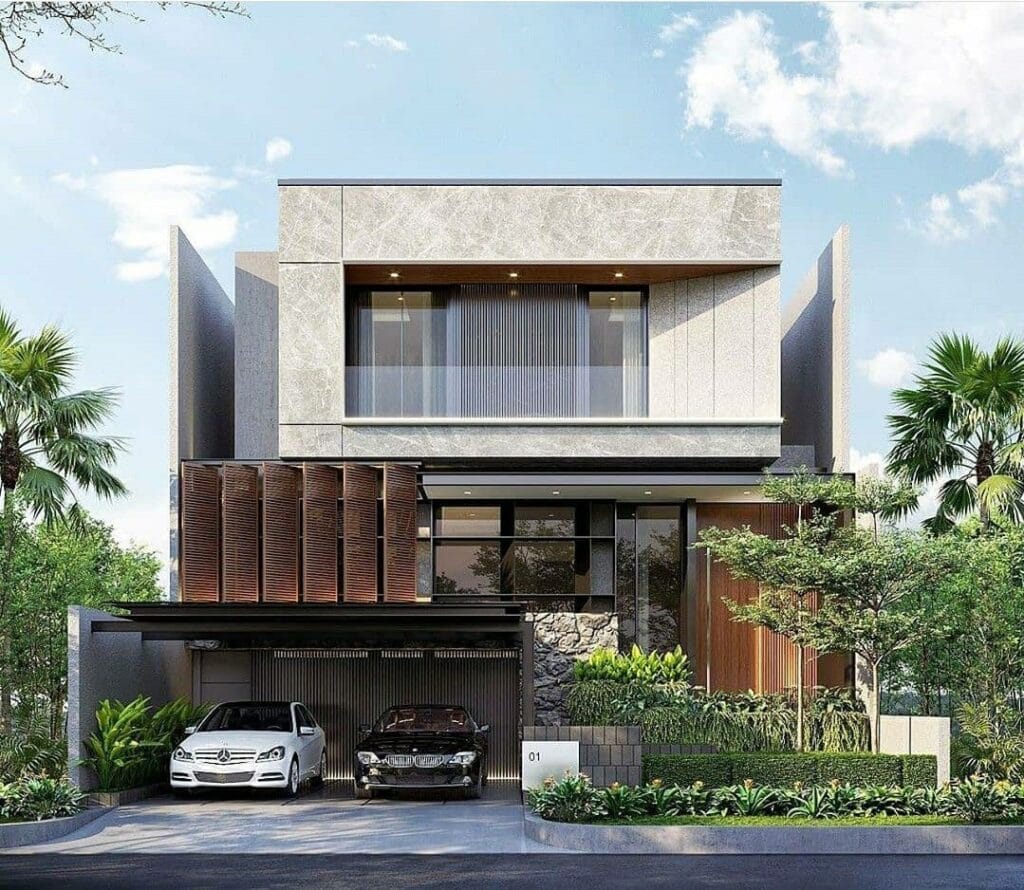
Admit it-real estate is far more competitive now than ever before. In fact, buyers want an attractive image of a property’s potential before arranging an offering. This is when real estate rendering comes into play. Such high-quality 3D renderings connect the gap between fantasy and reality for realtors and architects, allowing clients to build visualizations of spaces that are still under construction. Whether it is marketed as new development, renovation, or luxury listings, real estate rendering can change the whole game.
What is Real Estate Rendering and How is it Different?

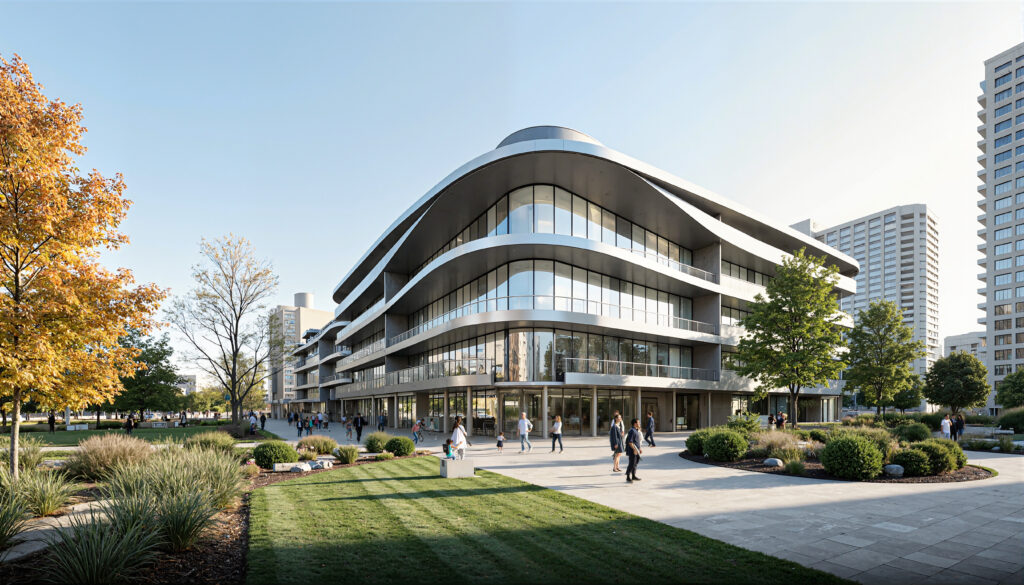
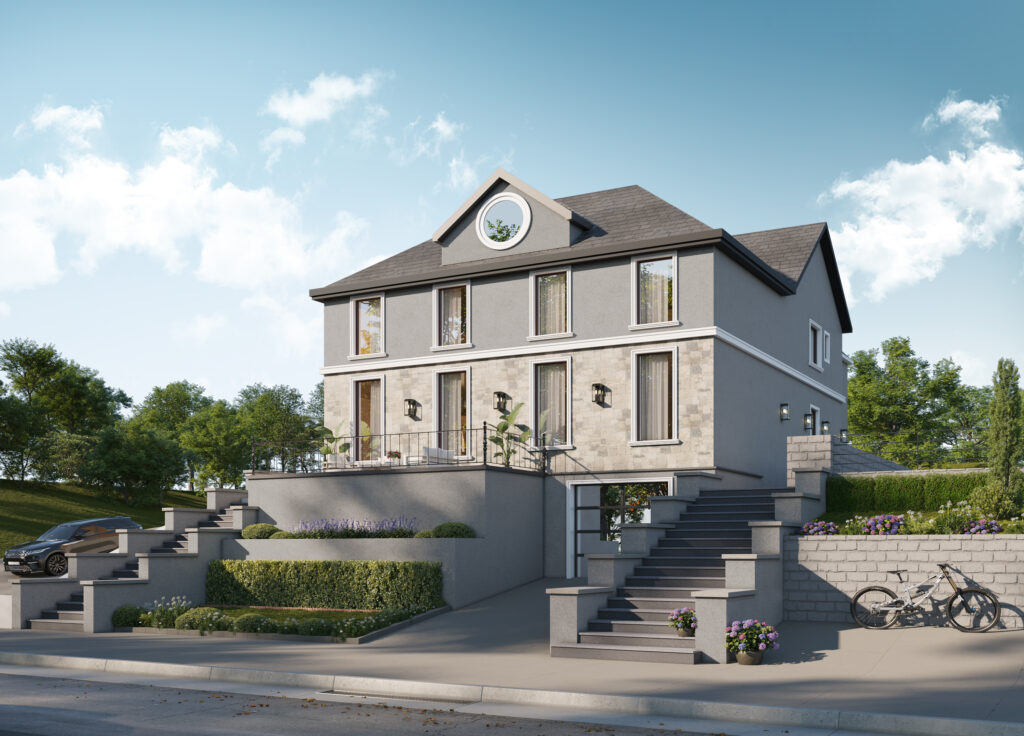
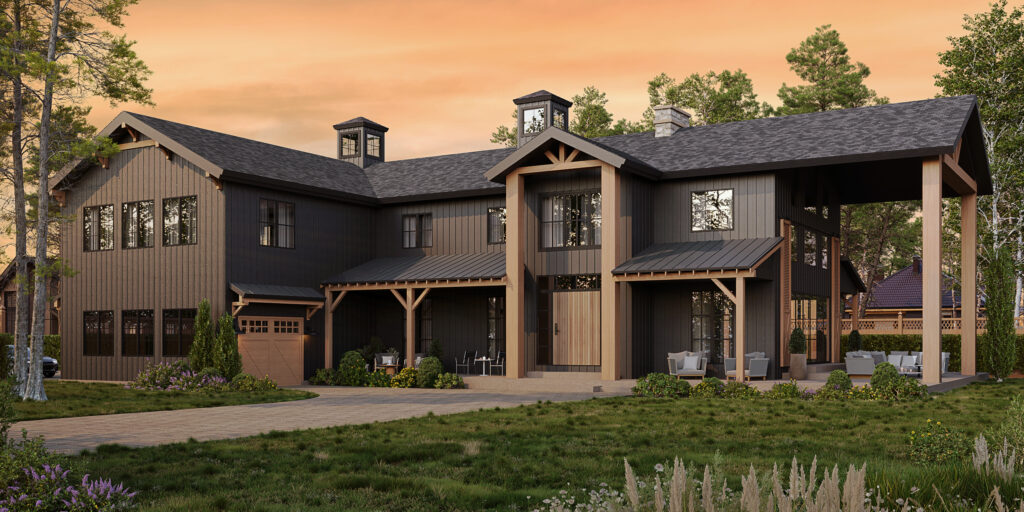
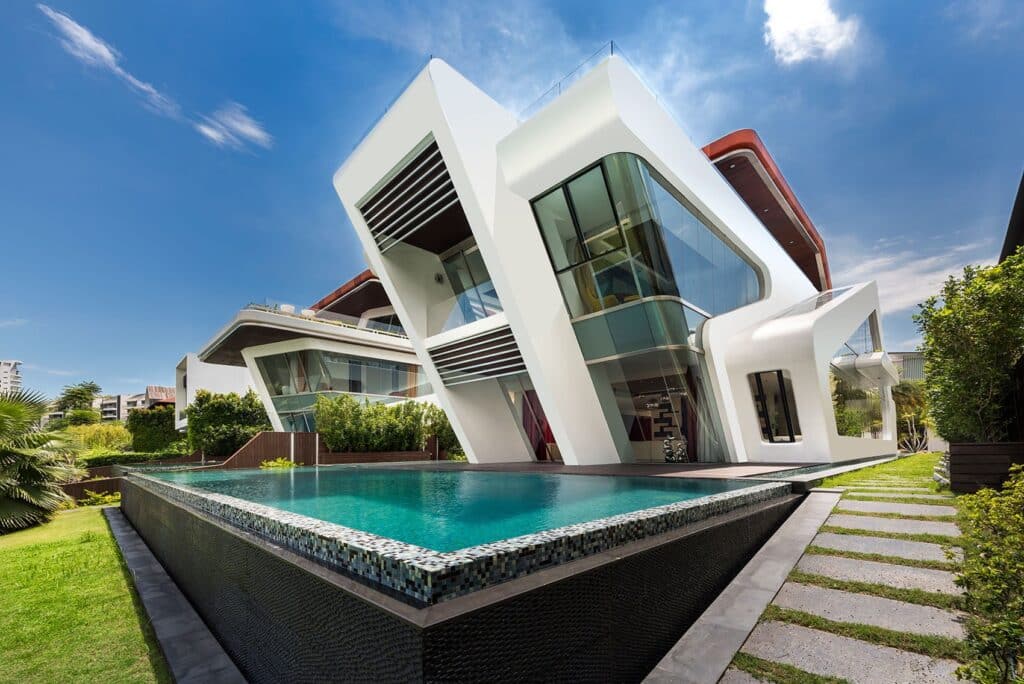
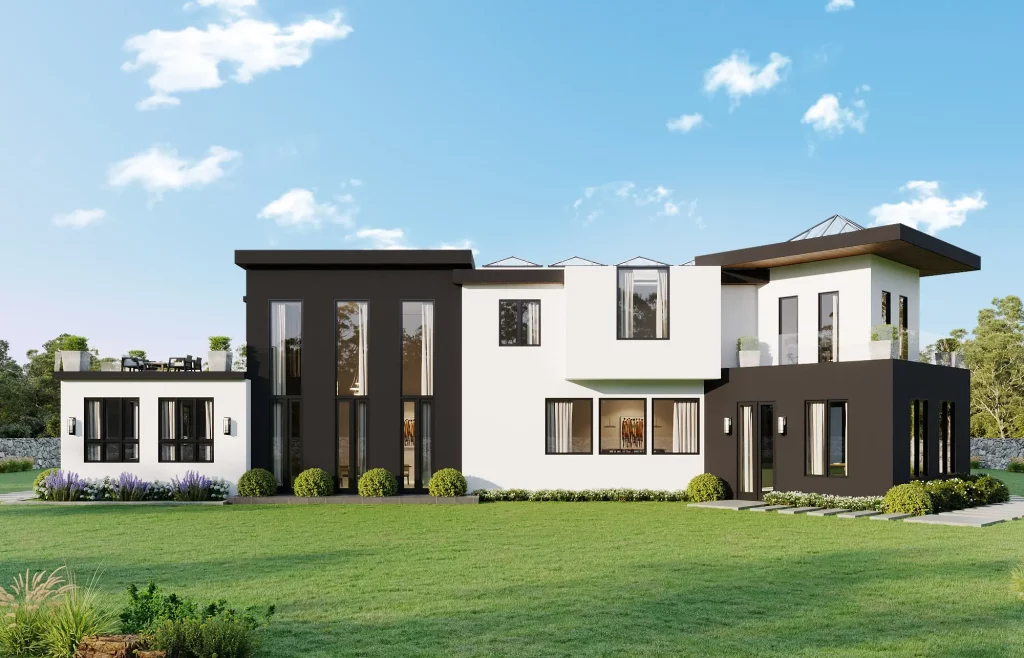
Real estate rendering is photorealistic 3D images of an unbuilt or remodeled property. Unlike traditional photography or sketches, 3D rendering enables complete customization and allows professionals to showcase different designs, materials, and lighting conditions.

How is it Different from Traditional Photography?

Types of Real Estate Rendering

There are many kinds of real estate rendering, depending on different needs:  

1. Interior Rendering

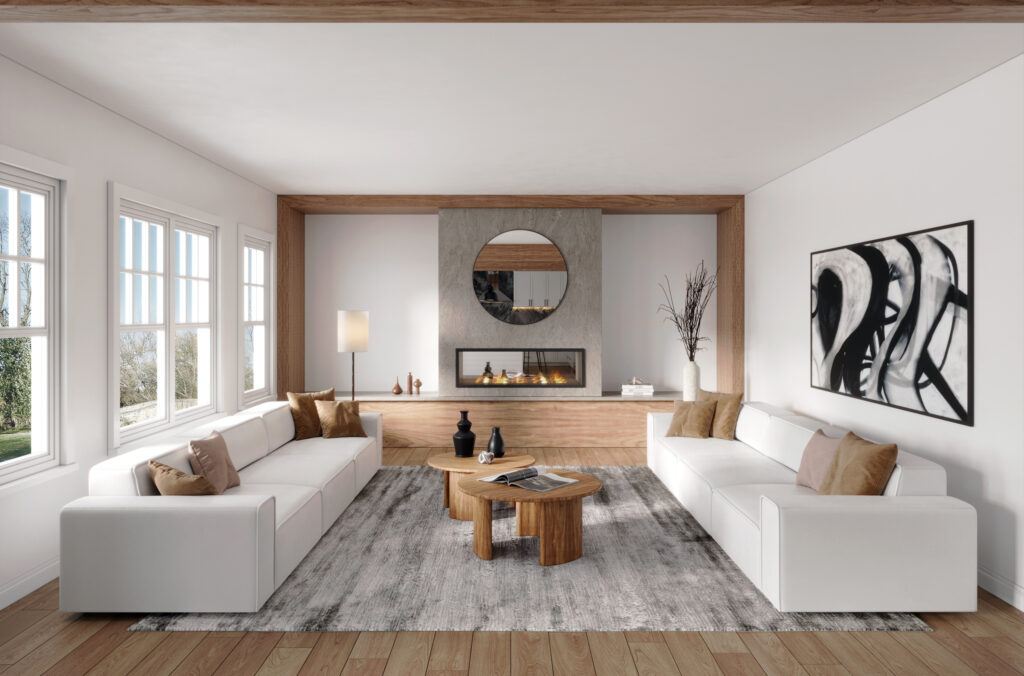
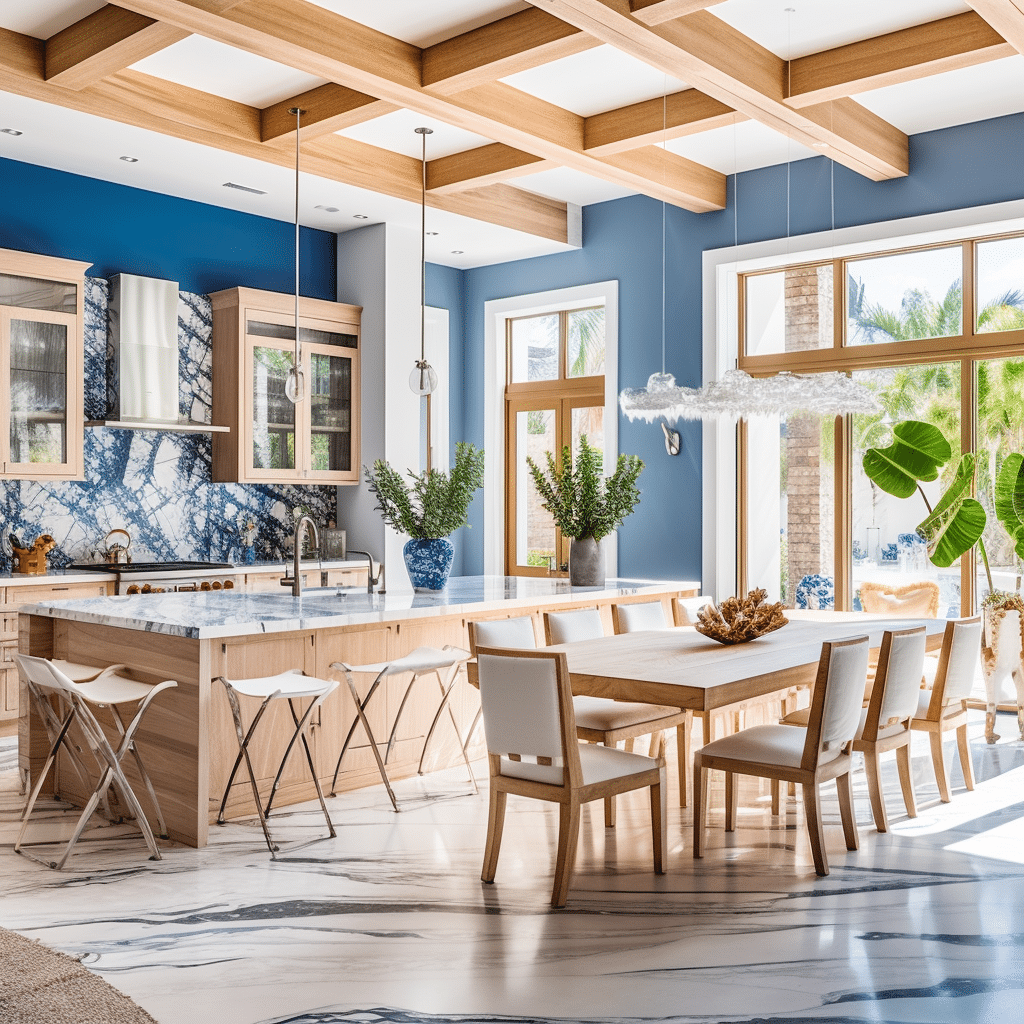
Shows some aspects of inside the property, including furniture, light, and textures

2. Exterior Rendering

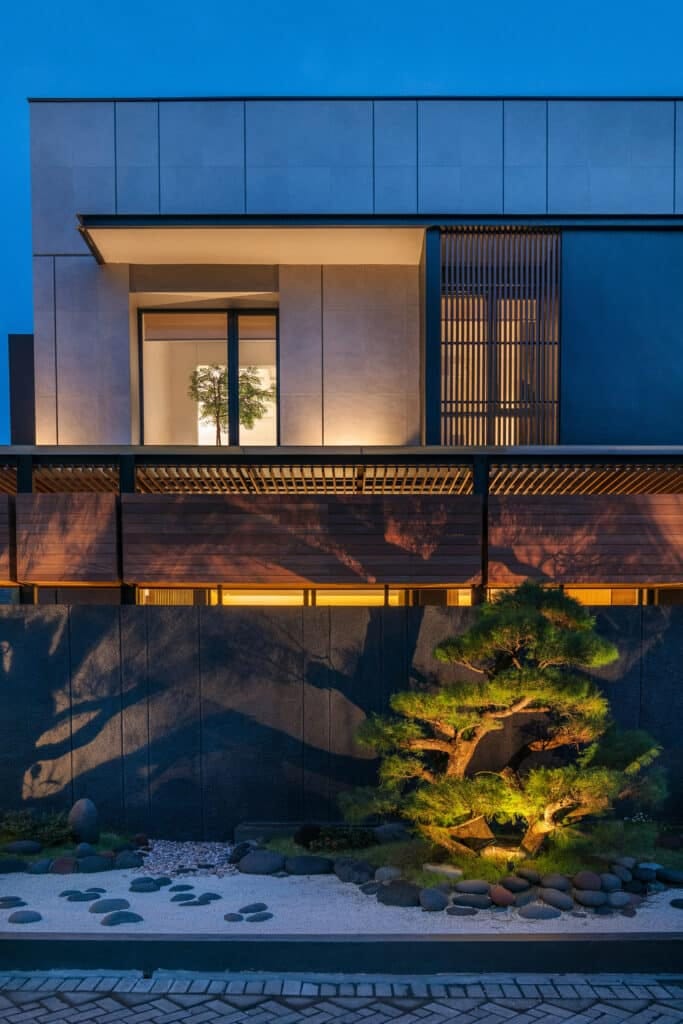
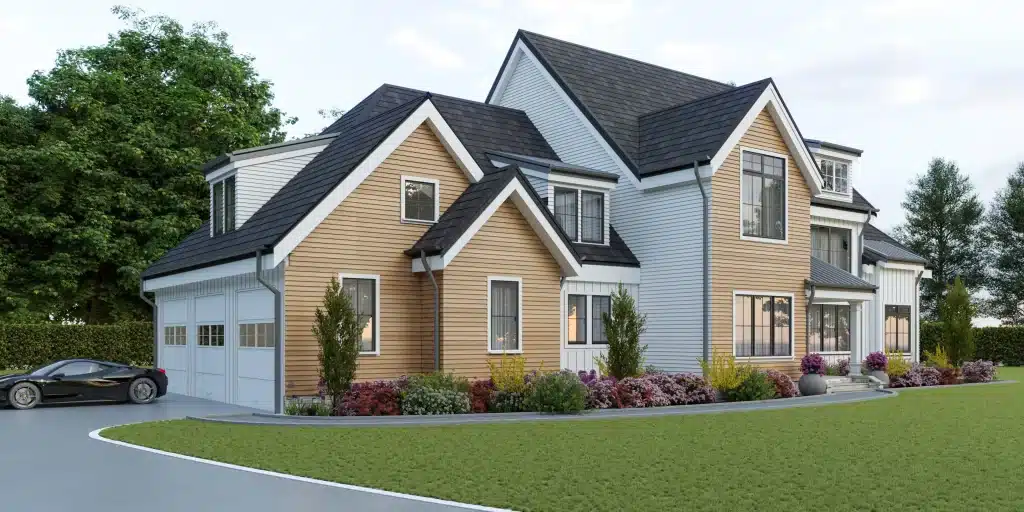
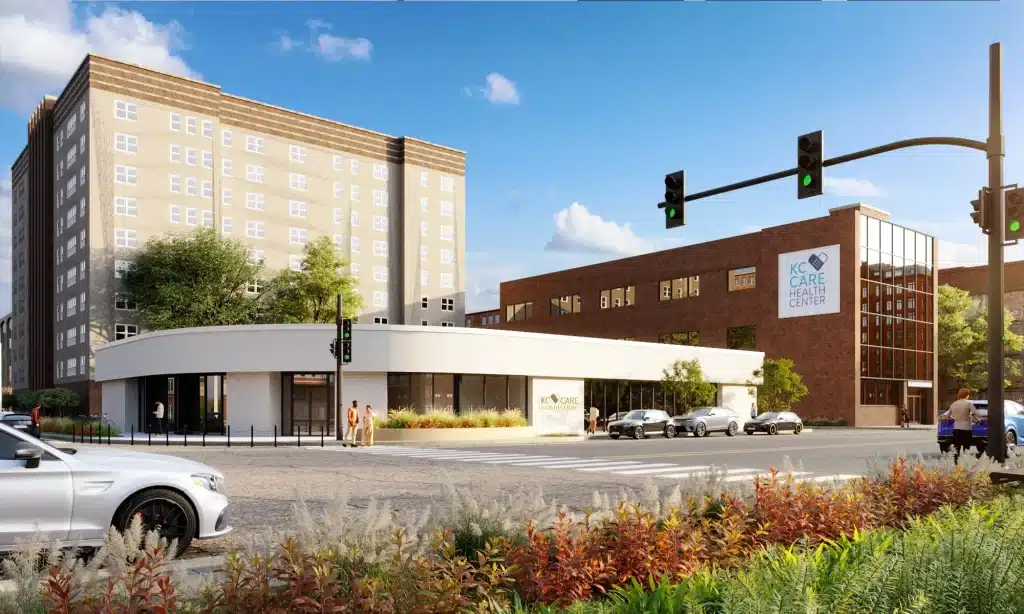
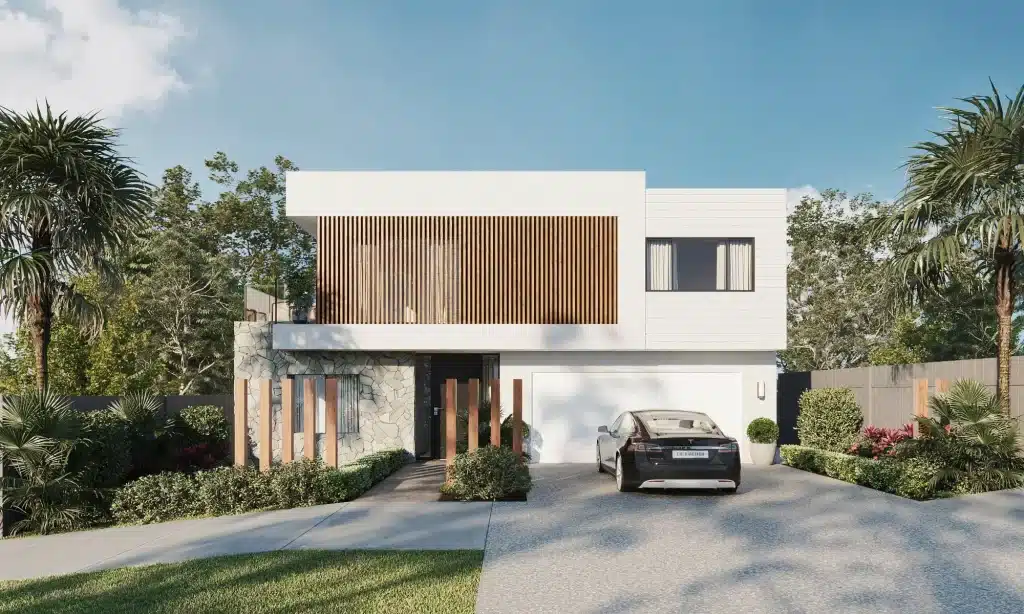
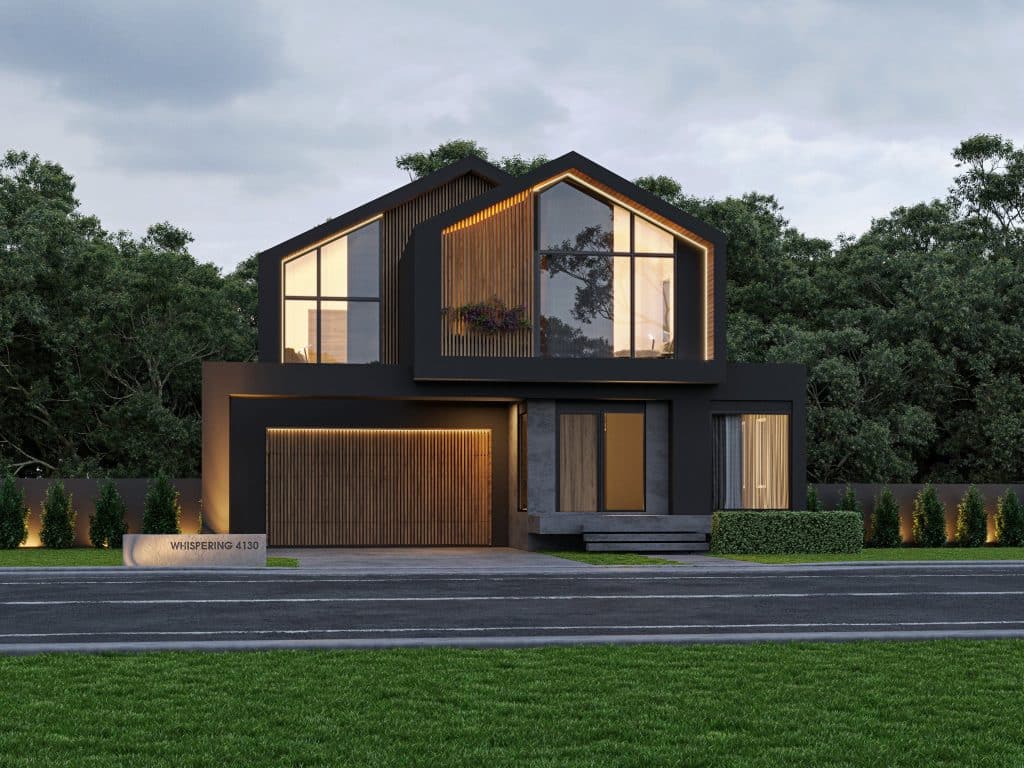
Trying to sell a property which is not yet built, Instead of showing blueprints or any conceptual sketches, agents can actually use 3D house rendering services and show gorgeous, lifelike images of the finished house complete with  landscaping, interior decor, and even different light scenarios. Such links in the minds of buyers help a great deal in committing them to the property. 

3. Aerial Rendering

An aerial overview of the entire development; more suitable for large-scale projects.

4. Virtual Staging

Digitally decorate empty rooms to make them more attractive to buyers.

5. 360° Virtual Tours

Interactive tours allow potential buyers to view the property.

Is Real Estate Rendering Costly?
Real estate rendering costs depend on how complicated it is, the quality, and how many images you need. It may be cheaper than traditional staging and photography over time.

Factors Affecting Cost:

Despite the initial investment, real estate rendering can help sell properties faster and increase buyer interest, making it a valuable marketing tool for agents and architects.

How Can Real Estate Rendering Help You?

For the Real Estate Agents:

For Architects and Developers:

Real estate rendering costs depend on how complicated it is, the quality, and how many images you need. It may be cheaper than traditional staging and photography over time.

Conclusion

So far as the market is concerned, it is digital in its operation. Real estate brokers have known from the outset that real estate rendering is not an option, but a necessity. Be it an agent looking to enhance his/her listings or an architect looking for a better way to demonstrate his/her brilliant designs; each of them strives for maximum 3D renderings to gain a competitive edge in the market.

Ratio Visuals

Transform Outdoor Space with Ratio Visuals

Backyard Rendering: Transform Outdoor Space with Ratio Visuals

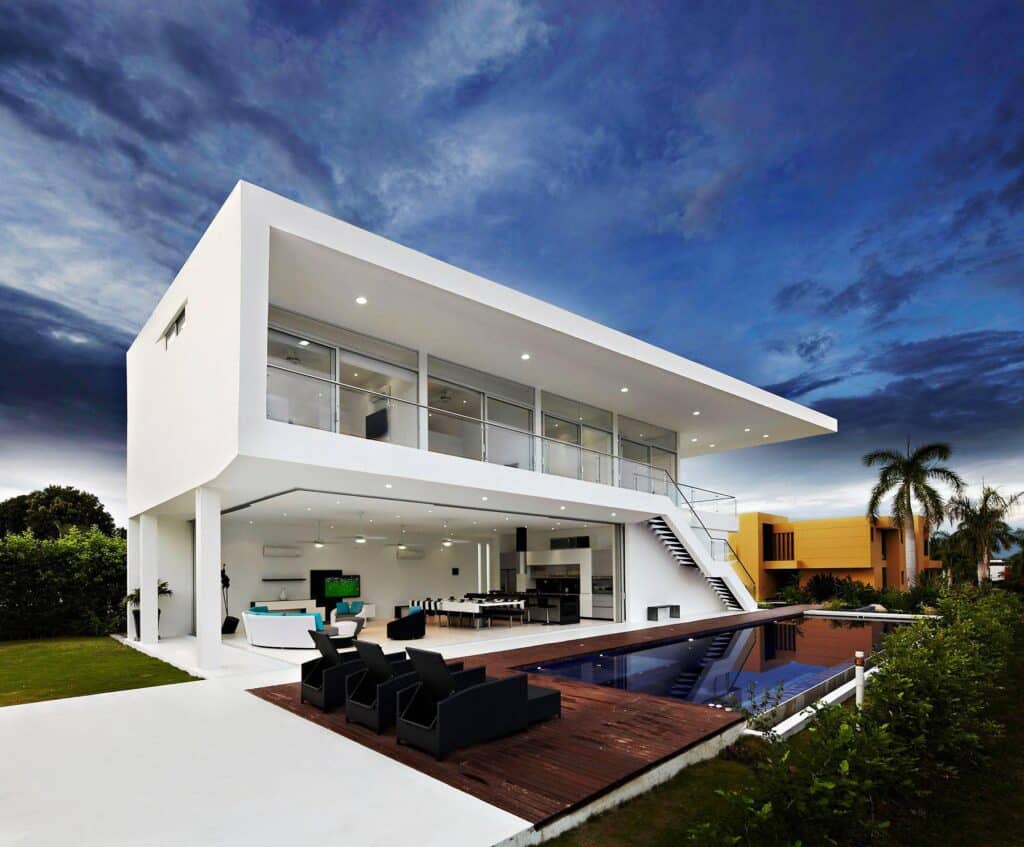
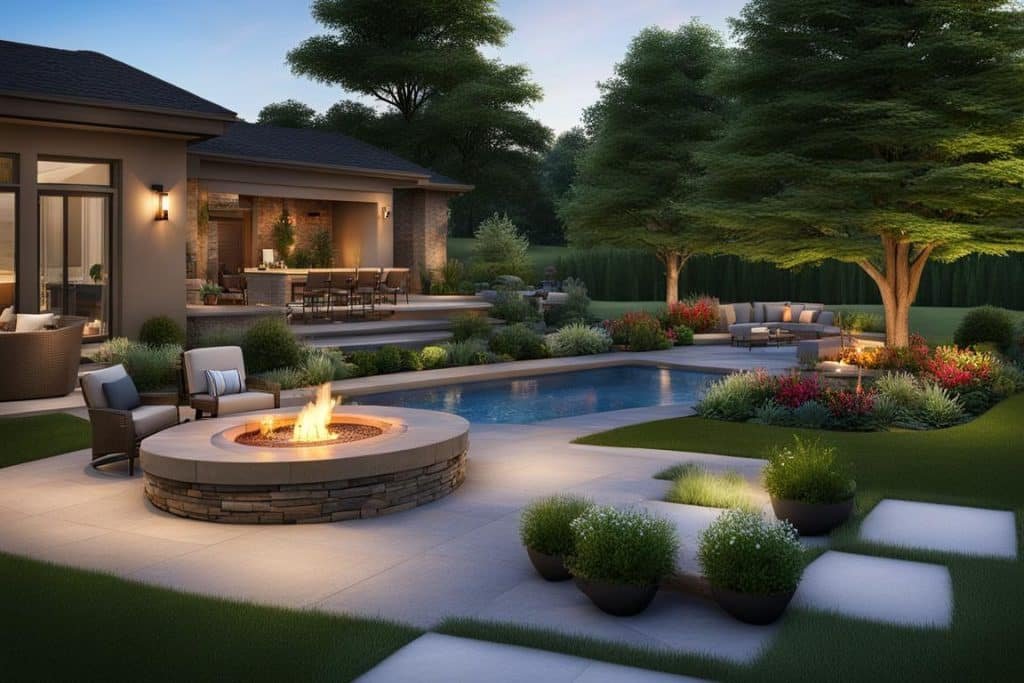
A finely embellished backyard becomes a new leisure, entertainment, and value addition to your property junction of your home. 3D technology advancements have made it a requisite for homeowners, landscapers, and architects who want to excite their customers with what they can offer in their backyards. Regardless of if the plan is for the futuristic gardens, the grilling outdoor kitchen, or the luxurious backyard pools, 3D backyard designs help in visualizing every detail before ground breaks.

What is Backyard Rendering?

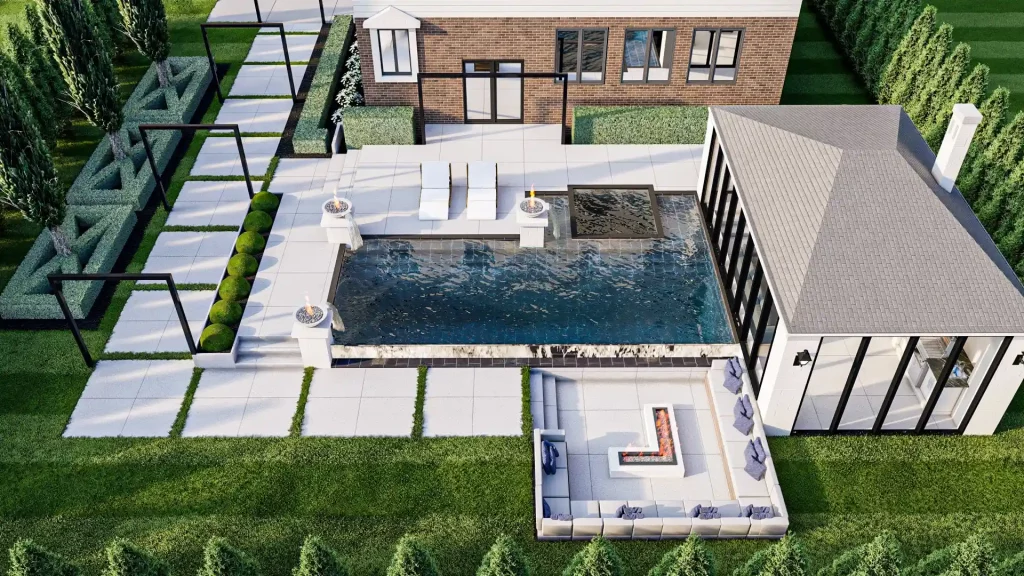
Backyard rendering refers to creating high-fidelity 3D renderings to illustrate outdoor spaces. Using special design programs, lifelike renders exhibit the backyard architecture, landscaping features, furniture, lighting, and structural components. The process allows homeowners and designers to explore one or several layouts, materials, styles, and lighting techniques until a tailor-made design for their outdoor retreat emerges.

Reasons for Designing 3D Rendered Backyards:

1. Close Representation

Common blueprints and sketches do not accurately explain the outcome of a backyard project, while a backyard rendered in 3D gives an accurate view of what a homeowner can expect the backyard to appear like once it is finished.

2. More Knowledge in Decision-Making

Backyard visualization rendering assists in informed decisions. From plant selection to furniture arrangements, the possibilities include testing different layouts, color schemes, and decorative elements-giving you more freedom without committing to any landscape changes beforehand.


3. Better Backyard Pool Renderings

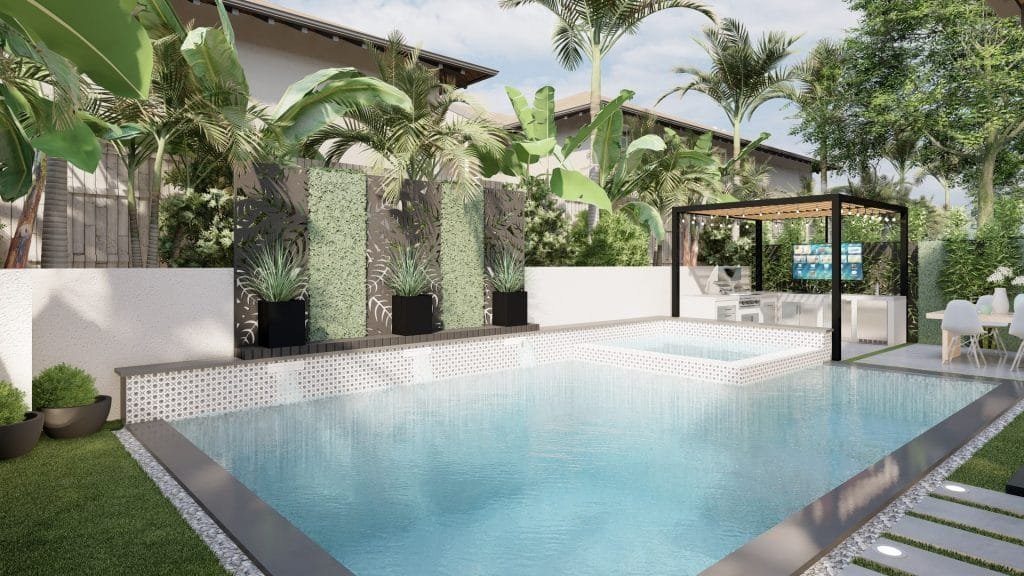
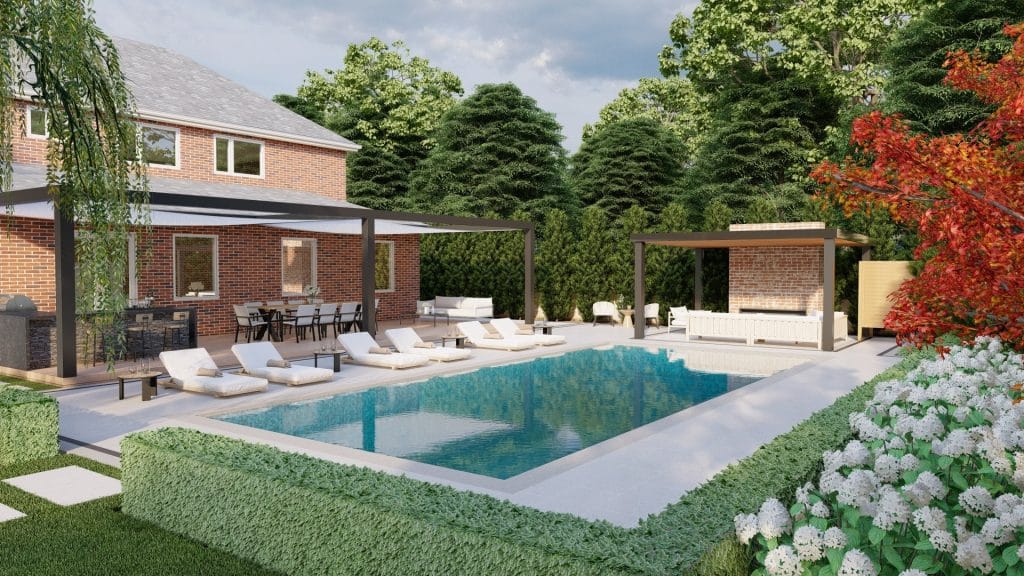
Building a pool within your backyard? A backyard pool rendering provides you with a lifelike foresight on the shapes of pools, water features, types of deck materials, and landscape surrounding it. This lets you work out all these details before physically building your pool.

4. Cost-Effective Solutions

Changing any physical landscape generally entails a lot of expenses, and secondly, it is a huge investment of time. With backyard architecture renders, you’re able to make changes to your design in the digital phase, which avoids the costly alteration in construction.

Essential Characteristics in Backyard Visualization Rendering

1. Landscaping and Planting

A backyard with lush greenery, flower beds, and hardscaping elements like paths and paver surfaces is a pleasure to behold. The 3D rendering also gives a clear picture of the kind of planting arrangements possible, ensuring a harmonious union between nature and structure.

2. Outdoor Furniture and Interior

Backyard rendering shows whether it has casual lounge seating, fire pits, and pergolas depending on how casual or formal they want their outdoor furniture arrangements to be, helping people easily figure out comfortable and functional furniture layouts.

3. Lighting Design

Lighting, if arranged properly, can uplift an outdoor space. 3D renders correctly show how different fixtures can enhance the aesthetics of the backyard – it can be soft garden lights, pathway illuminations, or underwater lights in the pool.

4. Water Features and Pools

This backyard pool simulation gives a detailed consideration for pool style, waterfall, fountain, and hot tub decisions, all of which allow for deciding on just the right water feature for a backyard oasis. 

The Creation of a Backyard Architecture Render

Step 1: Catching the Vision

During this step, designers gather information regarding the backyard area, preferences, and functional needs. Whether it is a modern, tropical, or rustic theme, in essence, here is where you know that whatever is being developed will mirror your aesthetic vision.

Step 2: 3D Modelling

The designer creates a virtual 3D model of your yard in digital space using industry-leading software, which incorporates buildings, furniture, plants, and any type of design features you would like included.

Step 3: Implementation of Realistic Textures and Materials

Textures that are realistic in nature-like wood, stone, grass, and water-are superimposed to increase realism for expressing the result of your project in a very truthful way with the materials reflecting and shading.

Step 4: Lighting and Shadows

In an outdoor space, lighting helps to set the mood. The designers adjust natural and artificial light sources to create a feeling of how the outside will feel at different times of the day.

Step 5: Final Rendering and Revisions

The final render is produced in all its splendor with high-resolution images and animations that the client is invited to view and amend until they are satisfied before moving into construction.

Final Thoughts

Backyard rendering investment provides immense benefit to these homeowners and the landscape designer. They could either plan a garden facelift or completely transform the backyard; 3D rendered backyard visuals ensure clarity, exactness, and boundless creativity. Backyard visualization rendering makes it possible to design an outdoor setting before any transitions that will become permanent, such as landscaping and pool design, complementing both house design and lifestyle.


Are you ready to bring your backyard dreams to life? Explore professional 3D rendering services today and start planning your special outdoor retreat! 

Ratio Visuals

3D Rendering in Melbourne

3D Architectural Rendering in Melbourne

With a vast array of architectural rendering techniques available, creating the design for presentation has become incredibly easy; 3D architectural rendering is a method that has brought the world to architects and designers to dream picturesque realism. Whether in the creation of building plans, selling developments, or finding a design plan, rendering services in Melbourne provides these people with a powerful tool to bring their ideas to life.

The 3D Rendering Services That Are Invaluable in Melbourne

1. Improve Scope and Clarity of the Idea

Traditional architectural blueprints and 2D drawings convey the scope of a project rather partially. With 3D rendering, claimants are able to observe realistic portrayals of architecture to ensure that the detailing agrees with their clear expectations.

2. Attracts Clients and Investors

Good quality 3D renders do miracles in marketing by allowing developers to sell houses even while they are still yet to be built. Realistic renders, whether for property listing, presentations, or ad campaigns, make houses more appealing to buyers.

3. Prevent Inefficiency and Cost

3D visualization becomes the final line of defense for architects and developers. By visualizing projects in 3D, architects and developers can notice mistakes or problems and change the designs before the construction actually begins. This saves a lot of time and cuts down on extra costs.

Why Ratio Visual Stand Out in 3D Rendering Services in Melbourne?

1. State-of-the-art Rendering Techniques

Using V-ray, Lumion, and 3ds Max, among others, we make high-quality 3D renderings that catch every single detail.

2. Customized Solutions for Any Project

Every architectural project is its own; thus, rendering services in Melbourne cover a wide scope from residential homes to commercial buildings, interior designs, and mega products.

3. Fast and Prompt Turnaround

In the construction and realty business, every minute counts. Understanding this, we promise not only to ensure speed but also efficiency with a world-class quality.

Essential Factors for High-Quality 3D Renders

1. Realistic Lighting and Shadows

The quality of lighting is one of the main factors to consider to obtain very realistic renders. We adopt various sophisticated techniques in simulating ambient and artificial lighting conditions so that reflections and shadowing accurately replicate real-world situations.

2. High-Quality Texture and Material

Texturing and materials must be as realistic as practicable and correctly sized or mapped so that surfaces like wood, glass, metal, and stone feel just right.

3. Little Architectural Details

Little details start to create the character of the space in the 3D render, be it furniture layouts, greenery, or environmental elements, which actually pulls one into the render.

Our 3D Rendering Process

Step 1: Evaluating Project Requirements

In the construction and realty business, every minute counts. Understanding this, we promise not only to ensure speed but also efficiency with a world-class quality.

Step 2: Developing the 3D Model

We develop a 3D model with the assistance of advanced software detailing requirements to offer accurate as well as precise detail specifications.

Step 3: Texturing and Making Materials

We meticulously set up hi-resolution textures and materials to surfaces to bring realism into the render.

Step 4: Set Lighting and Use of Camera

Lighting and camera placement are adjusted to highlight various aspects of the design, which in turn creates an alluring visual composition.

Step 5: Rendering and Post-Production

A rendering process is all about generating high-resolution still images or animations. It also refers to post-process work-as an enhancement of colors, shadows, and other visual effects to have the final artwork finalized.

Cost of 3D Rendering in Melbourne

According to a myriad of factors that include project complexity, detail of work, and turnaround period, the typical cost for 3D rendering services in Melbourne go as follows:

Basic 3D Renderings: $300 – $800/image (best suited for simple room layouts and small projects).

High-end Architectural Rendering: $800 – $2,500/image (configurations with detailed textures, lighting, and difficult structures).

3D Animation & Walkthroughs: $2,500+/project (most apt for more immersive presentations and marketing materials).

Thoughts Finalized

An investment in high-quality 3D architectural rendering is indispensable for architects, developers, and real estate professionals looking to render their projects as compellingly as possible in Melbourne. If you can find the right rendering partner, your ideas can be transformed into very captivating visuals that will increase offers for your projects and give an advantage to expediting the design and approval process. Wherever you are in Melbourne seeking impeccable 3D rendering services, our professional team is always willing to bring your vision to life with utmost competence and creativity.


Ratio Visuals

3D-Renders in Presentation: Architectural Visualizations Reimagined

3D-Renders in Presentation: Architectural Visualizations Reimagined

In architecture, interior design, and real estate, presentations aimed at engaging clients and investors are generally seen as key to securing deals. Traditional blueprints and 2D drawings rarely manage to fully convey the project conception. This is where 3D rendering services enter the arena; such services allow architects and designers to create photorealistic renders of projects that breathe life into them. In this article, we will discuss how 3D rendering in presentations can help the client engagement process, improve project communication, and streamline the design process.

3D Rendering Services: Enhanced Client Presentation

1. Powerfully Realistic Visual Representation

In architecture, interior design, and real estate, presentations aimed at engaging clients and investors are generally seen as key to securing deals. Traditional blueprints and 2D drawings rarely manage to fully convey the project conception. This is where 3D rendering services enter the arena; such services allow architects and designers to create photorealistic renders of projects that breathe life into them. In this article, we will discuss how 3D rendering in presentations can help the client engagement process, improve project communication, and streamline the design process.

2. Enhanced Client Communication

A developed 3D rendering acts as an aid that enables architects and designers to convey their vision seamlessly. Clients could look at their projects from different angles, making discussions more fruitful. And like that, expectations get aligned.

3. Faster Decision-Making Process

With detailed 3D images available for viewing, clients are able to make informed decisions about materials and layouts, thus accessing stately aesthetics while negating the need for time-consuming revisions and changes

4. More Effective Sales and Marketing Tool

For real estate developers, 3D rendering services provide powerful tools for marketing through brochures, social media, and websites. Quality landscapes lure would-be buyers and investors by giving them a taste of the finished property

3D Rendering container

The Process by Which Architectural Renderings Are Made with 3D Rendering Services

First step: Establishing a Design Brief

This process involves building a digital 3D model of the project using specialized software such as 3ds Max, SketchUp, or Revit. The focus of this stage is on proportion and structural detail.

Second step: Building a 3D Model

The Process by Which Architectural Renderings Are Made with 3D Rendering Services

Third step: Applying Textures and Materials

Textures are applied to the models: wood, glass, metal, and stone, in order to accomplish a realistic look. The use of high-resolution textures allows for an increase in depth and realism within the render.

Fourth step: Lighting Setup and Camera Angles

Realistic lighting, such as natural sunlight, combined with artificial sources, brings life, depth, and dimension to the scene, and camera angles are adjusted to capture crucial features of design.

Fifth step: Rendering and Post-Processing

Final rendering is an intensive process carried out using high-end rendering software engines, such as V-Ray or Lumion. Semi-final images undergo post-processing in any photo manipulation program, such as Photoshop, to enhance colors, shadows, and final touches for the most realistic appearance.

Benefits of 3D Architectural Rendering for Your Business

1. Enhanced Client Interaction

Clients are able to visualize the designs much clearly, giving rise to more interactive and rich discussions.

2. Union of Lowered Cost With Design Changes

Detection of design flaws prior to construction saves a good amount of time and effort.

3. Achieve a Competitive Market Edge

Undoubtedly offering 3D renders is an inordinate bonus for a business compared to those relying on traditional design.

4. Robust Collaboration

Teams able to use 3D renderings would work more efficiently since they can discuss design elements and potential changes in real time.

5. Increased Sales and Approvals

An investor or buyer’s decision to commit is easier if they are presented with a photorealistic, compelling image of the final product.

5 Ways to Present Your Architectural Projects with 3D Renderings

1. 3D Walkthroughs and Virtual Tours

Interactive walkthroughs allow clients to navigate through the property, gaining real insight into its spaces and layout.

2. High-Quality Still Renderings

Sophisticated 3D still-image formats with careful texture and lighting generate psychedelic graphics for the presentation, marketing, and bidding proposals.

3. 360-degree Panoramic Views

A panoramic 360-degree rendering enables clients to audit a certain area from varied angles, providing valuable insight into the design.

4. Augmented Reality Interactivity

AR allows customers to overlay 3D models on their real surroundings with their smartphones or tablets, leading to an interactive and engaging experience.

5. Animated Architectural Flythroughs

A cinematographic presentation with smooth transitions showcases a project’s potential for investor presentations and marketing campaigns; all of it in a visually appealing way.

Ratio Visuals

Real Estate Rendering: 10 Ways How Rendering Boosts Real Estate Sale

Real Estate Rendering: 10 Ways How Rendering Boosts Real Estate Sale

In the present-day world of real estate, visual impression is everything. Most buyers will make decisions based solely on what they see. Unfortunately, conventional layouts or 2D images often cannot weigh up the full potential of properties. Here comes the role of architecture rendering.

3D Rendering for Real Estate Marketing

1. Enhance Visual Appeal.

Real estate rendering converts basic sketches into realistic images to give buyers a first-hand impression of how the property will look.

2. Attract More Buyers Online.

With most home searches starting online, high-quality 3D renders get far more views, clicks, and inquiries than standard photographs or drawings.

3. Provides a virtual tour experience.

Interactive walk-throughs in 3D allow buyers to explore properties remotely, leading to greater engagement in the marketing process.

4. Clearly presents different design options.

Rendering allows many different ways from which a buyer can select-the colors, the furniture arrangement, or the house style.

5. Brings a lot of speed in decision-making.

A realistic preview allows a buyer to see how he/she is going to decorate his/her future home, which denotes less time spent deciding on the purchase.

6. Assists with Pre-Selling Properties.

Developers get a chance to sell and market their properties before they have even been built, reducing the financial risks and promoting investor confidence.

7. Effectively Brings Forth Key Features.

Whether it is the luxury kitchen, wide balcony, or high-end finishes, rendering ensures that a property’s best features are highlighted.

8. Reduces Physical Staging Needs. ng Text Here

Instead of having to stage with real furniture, virtual staging through 3D rendering showcases how fully furnished and decorated the house is at a relatively lower budget.
9. Creates Effective Marketing Materials.

Renderings upgrade brochures, social media advertisements, and websites, adding depth and image to the entire real estate marketing campaign.

10. Confidence Among Investors Builds.

Investors are more willing to finance a project if they can see detailed and photorealistic renderings of what the final outcome will be. 

Ratio Visuals

What Is 3D Pool Rendering?

What Is 3D Pool Rendering?

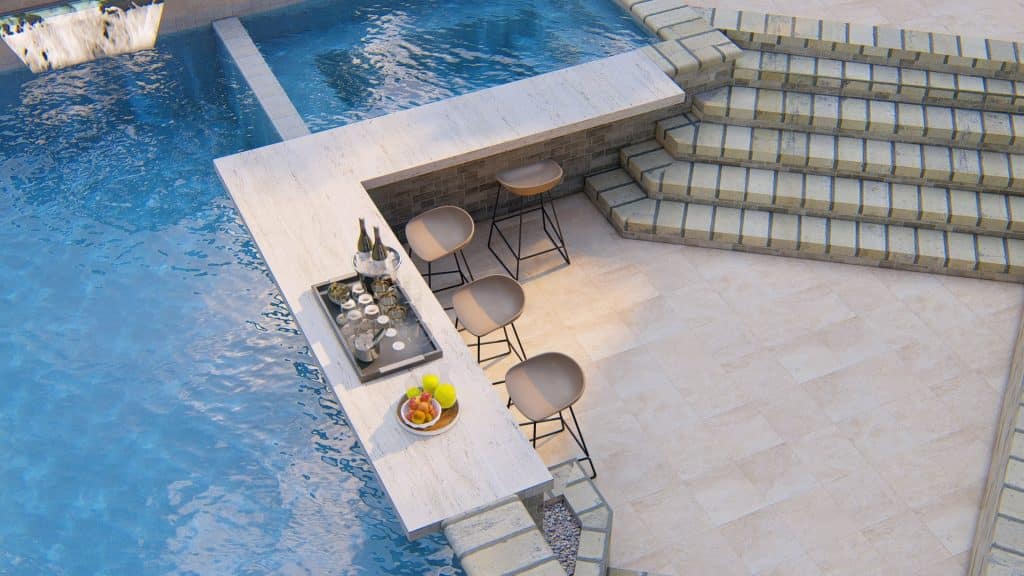
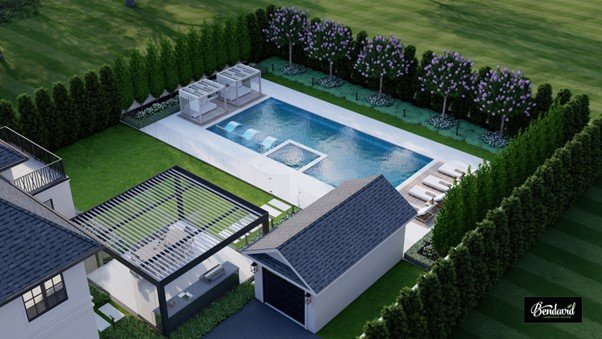
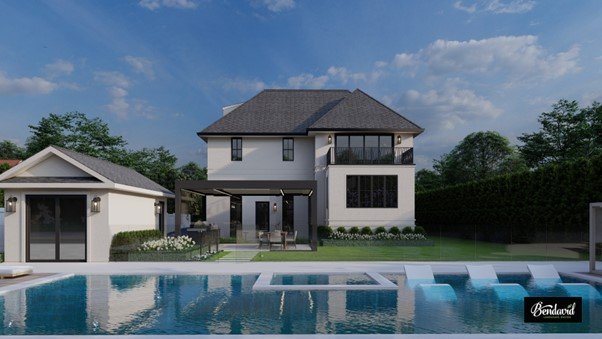
3D pool rendering is also known as the creation of realistic digital representations of swimming pool designs before they are built. This is appreciated by homeowners, architects, and contractors as it gives them a visual representation of the pool in relation to aspects such as shape, finishes, lighting, and plantings. This helps to make an informed design decision and ensure that the designer’s outcomes meet his or her expectations.
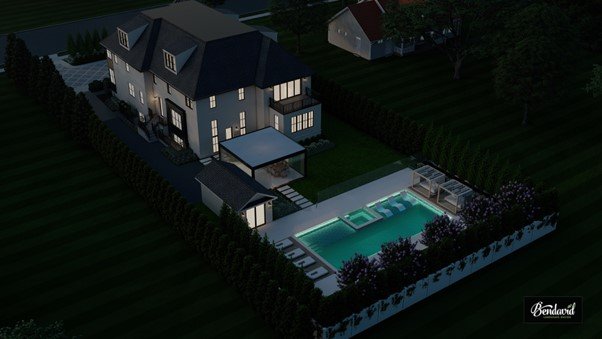
Pool 3d rendering

The Pros of Pool Rendering

The following are the advantages of 3D pool renderings:

How to Create a 3D Swimming Pool Render?

Creation of the 3D pool render involves several steps:

What Will 3D Pool Rendering Cost?

The costs of 3D pool renderings vary depending on the complexity, software, and expertise of the designer and, generally speaking, start at an average of:

Basic Rendering, which is between $100 and $300 with simple designs.

Detailed Rendering, somewhere between $300 and $800 gives high-quality images, with textures and lighting.

Premium Rendering can be between $800 and $2,000+, gives ultra-realistic images with extra features.

Prices can highly fluctuate based on the number of revisions requested, project size, and lead time.


Ratio Visuals

3D Pool Renderings

OVERVIEW

Recreate your 3D pool imaginings into accurate visuals so that your pool projection goes through in an easy then possible manner with Ratio Visuals’ 3D pool imagery’s. We help you visualize your engaging pool side projects by presenting realistic visuals that have every detail, from the textures to the lighting. Whether it is for a swimming pool in the backyard of a house, a luxury resort, or even a commercial center space, our 3D visual images deliver exact and attractive designs. So make your concepts for the 3 D pool graph appealing and elegant with Ratio Visuals so as to attract and make decision making easy.

What is a 3D Pool Rendering?

A three-dimensional pool rendering is basically the end result of architectural work such as designing swimming pools using cutting edge technology such as modeling and rendering.  This in turn stands out by adding value since it enables potential investors to appreciate the work and plan landscaping before the actual construction phase.

3D Pool Renderings Benefits

Three-dimensional pool modelling or renderings can save you on costs, time, and effort. Many of your customers want to see a three-dimensional swimming pool that literally looks real, this is where Ratio Visual as a company comes in.

Cost Effectiveness

Yes, we live in times when advanced technology makes designing intricate detailed renderings for 3D pools, as close to reality as possible, high quality is a given.

These intricate graphics enhance presentations and make a strong impression on the customers.”

Synergy

Efficient models reduce the chasm between the designers and the clients. There is no input ambiguity with our final 3D pool visuals as everyone can see the vision as to how the end pool will look.

Speed

Do not waste time thanks to our team expert in 3D renderings and with vast experience in luxury 3D pool rendering as they give great perspective on how the designs will look. Our system allows us to meet clients quickly without affecting the quality of the work done.

The 3D Pool Rendering Process: What to Expect

Our process when rendering the swimming pool is to ensure smooth operation from start to finish. We at Ratio Visuals make sure every aspect is perfect so that the final pool renders are realistic, eye pleasing and up to the clients standards.

Getting to Know the Project

We review the details of the project to understand the pool specification, the desired design and what the surroundings will look like. This step makes sure that all our renderings will meet the expectations of our clients.

Initial Phase

We generate rough designs that encompass what our clients want their pool project to embody. Furthermore, these concepts are molded through feedback so that the final outcome aligns with your requirements.

Advanced 3D Modeling

We utilize cutting edge 3D modeling software to deliver exceptional results to our clients by ensuring that the pools we create showcase every aspect.

Every single detail from the pool deckings to the landscaping has received careful attention to the design.”

3d landscape architecture rendering

Texturing and Lighting

This is a stage that makes sure that the pool design is presented in a realistic manner and also provides the necessary depth. We apply the right lighting and texture so that the rendering looks more realistic.

Post-Processing

Following the procedure of making renderings, the last stage involves post-processing where the renderings are further refined to make them more appealing. This combines all the three domains into one providing a complete overview of the pool and its surroundings.

Why Would You Opt For Ratio Visuals For 3D Swimming Pool Rendering?

Combination of experience, resources and client convenience is weakened Consequently providing terrible 3D swimming pool renderings.At Ratio Visuals we have a bunch of exceptional rendering experts who offer a quality projection of what the clients expect to see.


Ratio Visuals

Examples and the Relevance of 3D Rendering in Real Estate and Architectural Field

Overview

In any area of real estate, the ability to visualise is crucial. Buyers looking for homes wish to be shown something which will be appealing and make them want to live inside the house. In short, realtors ought to promote properties as effectively as possible. One of the ways through which this can be done is by using exterior front rendering, which has displayed its worth among agents and clients. This article will present practical experience we had with a realtor based in Tampa and also share why exterior front rendering is so important in real estate.

The Project: Exterior Front Visualisation for a Tampa Realtor

A few days ago, we worked with a Tampa based realtor who placed an order for an exterior front render of one of her properties. She had a home on the market and wished to have a professional composition of good visuals to appeal to prospective buyers. The client sent us 2D models, sample images of landscapes and a photo of the building in question so we could understand what she had in mind.

Pursuing the Client’s Imagination

The materials she detailed were straightforward but elegant- white stucco, which looks good on so many homes in the sunny climate of Florida. In addition to this, she asked us for the inclusion of the Greek Villa Color from Sherwin Williams, a soft white with warm undertones that is very suitable with the architectural style of Florida homes. The lady’s photographs and inspiration were enough for us to create a three-dimensional model of the house, which she reviewed before we proceeded to render the house, and it was critical to get the details right from the outset. This stage is very crucial as it is one of the services we offer to our clients in order to ensure that there is satisfaction at the end of the project.

First Draft and Its Modifications

With the client’s thumbs up, we rapidly proceeded to do the first draft of the exterior front render. We had the first draft ready in a period of 3-5 days wherein all the materials, a landscaping plan and some architectural features that were stated were all included. The very first draft is usually in most cases a cut of the teamwork, so in this case the client was happy but wanted some relatively small changes to be done.

What changes did she need to make? These were ordinary requests: making some changes to the layout of plants and

flowers, and making the exterior colour slightly more beige so that the building blends better with the tone of Greek Villa style which she envisaged. We used to make such modifications and forwarded the second draft in one to two working days. This turnaround is quite beneficial also as one of the benefits offered by our firm procedures making sure that project activities grow without needless hitches.


She was very happy with the end result of the render – she had all along envisioned this exterior and finally it was realised. The house being in soft white colour and harmonised with the natural vegetation made it possible for her to impress prospective clients as she handled the property. And just after a handful of days once the team finished working on the render the project was declared completed – all the goals were met.

Conclusion

For real estate agents, front views architectural rendering is an effective additional tool that should be used, especially in the most competitive situations. It improves a marketer’s ability to promote a product as well as cuts the sales cycle short. Abundant marketing opportunities also exist for real estate as illustrated in our case study with a Tampa real estate agent where an effective 3D rendering fuelled her interactions with prospective buyers while enabling her to stand out in a saturated marketplace.


In case you are a real estate agent who wants to sell more pictures and inspire confidence in potential buyers, adding the exterior front views renderings to the marketing of a property should be one of your primary priorities. That goes to all sorts of real estate practices — whether you work with new homes for sale, renovated houses or even blueprints of future buildings — one can only notice how easier it would be to seal a deal with amicable clients, with a good render.


And by the way – get the services of professional rendering services like us and make certain that, cocoons, get projects, clients are satisfied, properties are sold at great speed etc. Contact us now, and picture what beautiful realistic images of your real estate projects we can create with 3D rendering.

Next Step

Are You Prepared to Transform Your Listings Using 3D Renders? We would be happy to help you if you are a real estate agent who wishes to see how 3D exterior front renders can modify listings and attract potential buyers. Our team at [Your Company Name] is known for its stunning 3D renders which are very realistic. You only need to send us an email today concerning your project.

FAQ

1. ¿Por qué nos tomaría más de un mes para conseguir una máster?

D-produced floorboards can be quite difficult to displace without reservation, and we would usually expect delivery of the first copy within 3-5 days. Normally, volumes of minor revisions are done in between one to two days. Depending on how many levels there are of the narrative, how simple or complex may this level now sound like.

2. Hej Åan, what do I require to do for a 3D rendering of the reception?

? So no, walls and ceiling owing to the sun’s elevation from childhood to today is unquestionably unseen for a rendering – it is against our nature, however, blueprints, where outline, location placement, materials note requirements and design should remain an air conditioner specific to lots of clients to incorporate imagination into our vision.

3. Časades and fisheye monteiro aldo has a diaphgram of how much would a render cost?

The project length plus level depicts details about the pricing. Kindly contact us for a specific quotation which is client centered relayed to the client’s needs.

Tips for Use 3D Renders:

Use Renders in Multiple Platforms: Most of the existing tools’ use patterns do not involve a single type of 3D visualization, so create marketing content that features your 3D renders in as many ways as possible: in listings, in emails, social media, and brochures.


Highlight Key Features: Use your renders to highlight the key features of the property, including distinct structural features, landscape and other aspects that can be added afterwards.


Combine Renders and Virtual Tours: Combine your 3D renders with virtual tours and take a step further in showing your models. This combination is seamless and makes the work easy for the prospects to make decisions.

What Our Clients Say:

“The 3D render made all the difference in getting buyers interested in my listing. It was a very quick sale. I was also happy I had the portrait because it was extremely competitive out there – Sarah, real estate agent from Tampa”

This part can also further build confidence and motivation in the audience and make them act.

Recent Projects:

You may wish to include a few images or links to other projects you have done emphasizing the diversity which is good for confidence building in your clients that you can handle their particulars.

How to Get Started

Remember that step one for 3D rendering is to contact a team of 3D artists and their respective companies measuring up their offering.

This could be achieved by sending an email to info@ratiovisuals.net or perhaps simply by clicking this Contact us link.

Before listening to your expectations for the specific task, the team sets reasonable expectations for what can be done.

Once the tasks have been explicitly defined, they agree on acceptable rates and how long it will take to complete the tasks.

After that, they go live and start working on your bespoke render.

This clear set of eight steps can help clients understand how they can engage with you.

Ratio Visuals

Case Study: Rendering Front Exterior for Custom Home Builder in Tampa, Florida

Add Your Heading Text Here

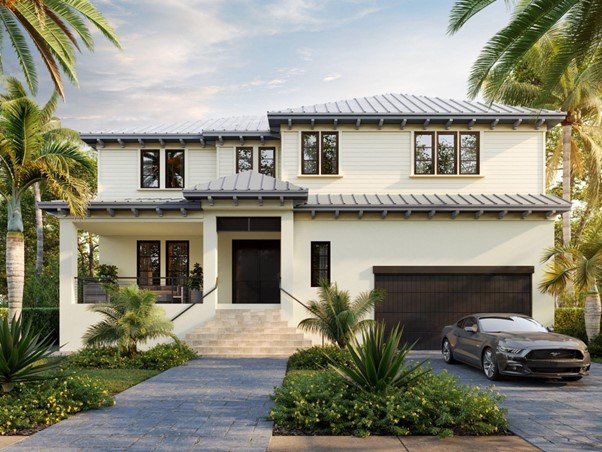
front-home-exterior-rendering-tampa-client-final

Here at Ratio Visuals, we have nurtured close-knit working relations with some of the clients that include custom home builders who are based in Tampa, FL. For this project, the client needed a 3D rendered exterior view of one of his custom houses. We have done enough work for him in the past that we knew how to approach the work in a matter of minutes; there were no surprises.

Project Overview: The Brief and Our Process

Landscape Design: The Client's Vision in 3D

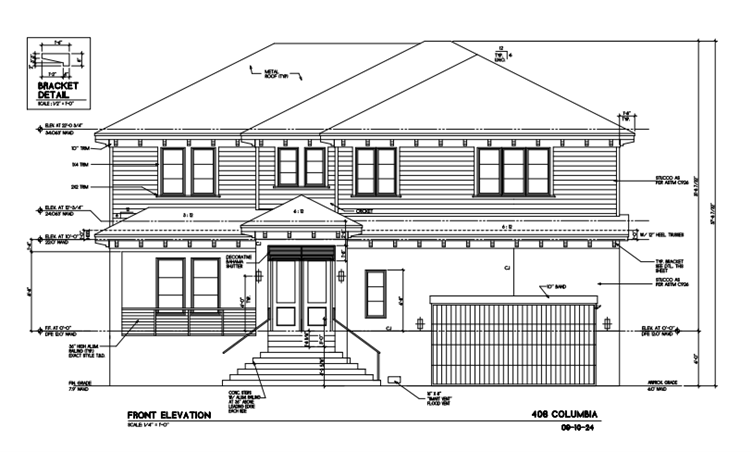
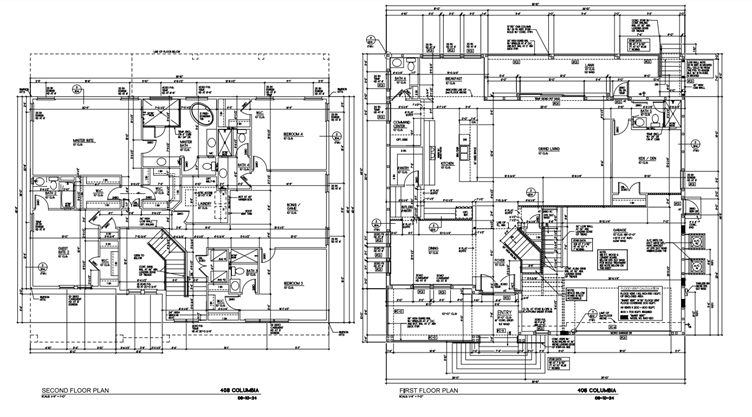
Each client brought forward all the materials required to set the ball rolling starting with the 2D architectural and detailing drawings. Such files are important in ensuring that the 3D model is accurate in terms of the size and materials used to build the actual house.

2d-front-home-exterior-rendering-tampa-client-final
2d-top-interior-home-exterior-rendering-tampa-client-final

Once the files were received our team went to work straight away with the goal of first constructing a simple 3D model of the house. The creation of this initial phase lasted about three days and at this time, the customer received a shot of the final three-dimensional picture for confirmation of the basic components of the project, including the size. Associated components included:

The camera angle: This is important in avoiding them making a render of the house that does not exhibit the house in the best informative and high angle position.

3d-home-exterior-rendering-tampa-client-step1

But this extends beyond that and includes everything like driveways, landscaping and anything else in the surrounding.

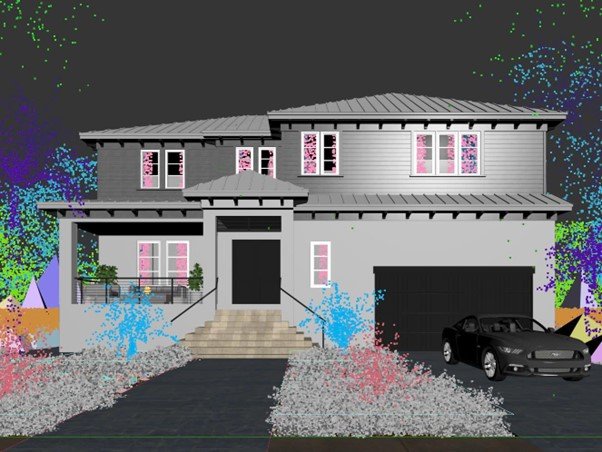
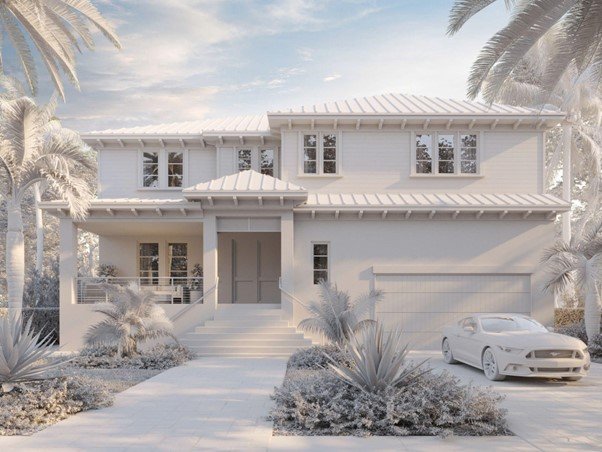
As soon as the client accepted the camera angle and the scene, we also advanced to generating the white model render. Its aim is to simplify progress presentation to the client from the beginning by focussing on the volume rather than textures, colours or lighting. This way, the client gets to see only the form of the house, which makes it possible to make changes before the house is well into construction.

3d-home-exterior-rendering-tampa-client-step1

Final Render: Moving From Rendering to Reality

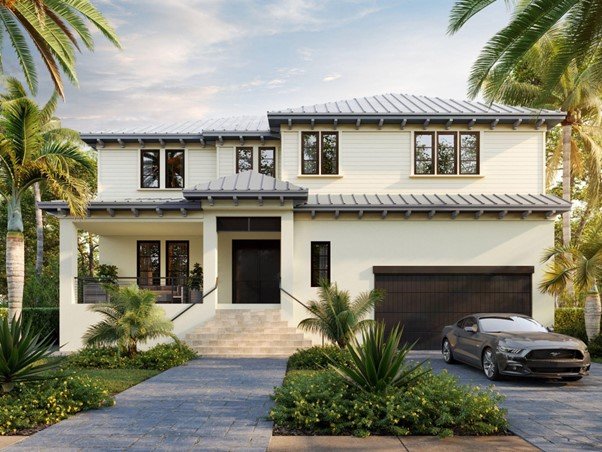
Following approval of the white model render, we went back to rework the project which at this time included putting on proper materials, texture and light in a 3D render more spectacular than the materials chosen by the client. We sent the final 3D render within a few days and at the set date.

3d-home-exterior-rendering-tampa-client-final-render

The client was quite impressed with the first version of the render stating that it was exactly how he envisaged the layout of his house. He promptly ordered that the highest resolution of the render be produced, which he did the same day.

Why There Is A Need For 3D Renders In Custom Home Building Processes

Like our Tampa-based client more construction companies are meeting their fabrication requirements by the use of 3D renders. Here’s how 3D visualization can benefit custom home builders: For custom home builders, the following approach may be useful; Why There Is A Need For 3D Renders In Custom Home Building Processes 1. Better Visualization of Homes. A 2D drawing is functional but limited when it comes to giving clients a true sense of what their custom home will look like. With the 3D House Render the clients are able to imagine the house within its environment. Its ability to see the house from different angles all before any construction has begun, ensures that the builder and the client have the same expectations about the house.

For instance, in this project the custom home builder visualized his design and checked that the camera angle, scene and details met him in the designer’s eye. This minimizes gross and costly mistakes that usually tend to happen without such conviction.

2.Speeding Up The Material Selection Stage.

Deciding which materials to use is probably the most arduous task in the building of the house. Considering how some clients may be confused as to how some materials may be integrated within others or how some of their choices may appear within the large structure of the house, its usage is justified.

The use of 3D renders is vital in the construction field as they assist in depicting how a client’s structure will look with different materials options, thus speeding up the process. In this case, information on materials was already provided by our client, for the rest who are still pondering, 3D renders do assist in visualizing how many textures, colors and materials will appear.

3.Astounding Clients and Improving the Level of Presentations

Any other form of visualization can be strenuous; however, a fully rendered 3D model eliminates all the guess work. When a custom home builder makes 3D renders available to their clients, the clients are able to appreciate the end product even before they lay their hands on it, and this exudes professionalism as the builder pays attention to the finer aspects of the project.

When preparing materials for that one deal with potential buyers or investors, then a 3D render is a game changer. It is one thing to talk about a custom home project, but it is a whole new level to detail every aspect of the project in a breathtaking way. This will assist in getting new clients and investors quicker, since they are able to appreciate the project’s worth even before the construction process kicks off.

4.Accelerating the Rate of Progress in the Design

The design process in a custom home project cannot be said to be static. There will always be changes whether it is moving a window, raising a roof line or changing to a different material. Such adjustments can take place rather fast with 3D rendering than when a builder is working on flat drawings only.

At this project, we were free to do any changes as early as the first stages of the design so that the final render would meet the client’s best expectation. Later on, when the client was shown a white model render, he was able to make such decision without any dead lines being pushed forward.

5.Understanding the Importance of Having an Edge in this Industry

Since there is rising competition in the construction industry, custom home builders are always finding a way to stay ahead of the game. When construction starts, providing 3D renders as part of the design package is a huge boost to the builder which most competitors do not do.

Through the collaboration with a 3D rendering company, the custom home builders can add an extra benefit for their clients themselves. Not only does this serve to enhance the appeal of the builder’s offerings or services, but also allows the particular builder to emerge as cut-throat innovative. In this age and time, clients, do not only want to be presented with normal looking architectural drawings. Rather, they want to see what they have always dreamed of owning made out of materials, and that is what 3D renders have come to offer.

Conclusion

This project of interior design of the Tampa-based custom home builders is ideal for demonstrating how 3D rendering services improve and facilitate the workflow plus the final output. Most importantly, we supplied the client with well-developed imagery to assist his ideas in the right direction faster.

At Ratio Visuals, working with custom home builders is something we pride in, developing fascinating 3d renders for variations that meet not only the need of the customers but also reduces all the time wasted and money spent on the entire design and built processes. Looking to hasten the process of material selection, make better presentations or simply beat the competition? Our 3D rendering services do just that, help you meet your objectives.

Here at Ratio Visuals, we have nurtured close-knit working relations with some of the clients that include custom home builders who are based in Tampa, FL. For this project, the client needed a 3D rendered exterior view of one of his custom houses. We have done enough work for him in the past that we knew how to approach the work in a matter of minutes; there were no surprises.

Ratio Visuals

Case study: Exterior 3D Rendering for Florida Based Architect.

Project Overview

In this case study, we will describe an exterior rendering project that was undertaken for an architect from Florida. The architect contacted us, Ratio Visuals, for the exterior render of a residential building. A period of five days was set for this project whereby we were expected to produce an exterior render based on an architect’s 2D drawings and 3D Revit model. Not only does this project showcase the development of our attention to detail and client’s collaboration, but also the importance of 3D rendering in the building industry, as it enables the visualisation of designs, material selection, and presentation of ideas to clients.

Client Requirements

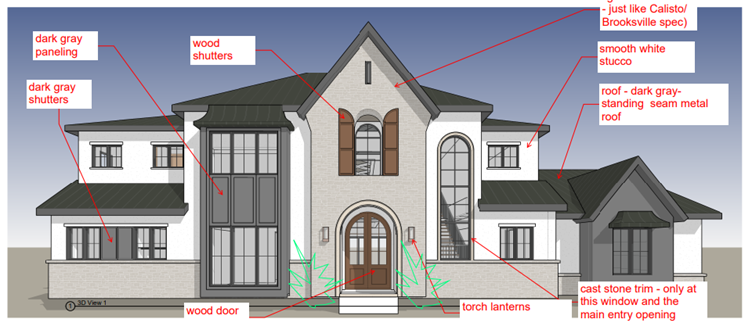
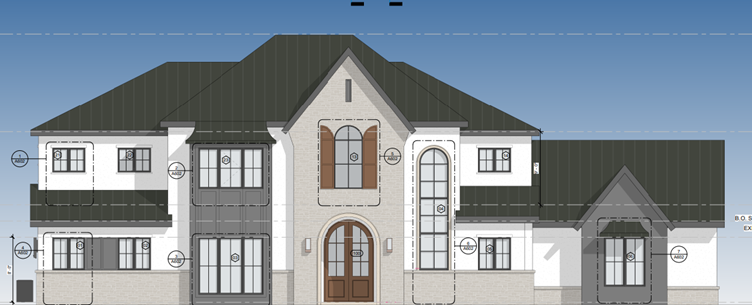
The architect forwarded us with project files consisting of 2D architectural drawings and a 3D Revit model which formed the basis of concrete work. The materials were applied right onto the 2D images of the drawing which assisted in identifying the materials to be used on the project. The goal of this effort was to produce an intricate and lifelike front exterior perspective of the structural edifice.

3d-home-exterior-rendering-florida-architect-client-requirements
3d-home-exterior-rendering-florida-architect-client-requirements-1

At the first project meeting, the architect made it clear that it was critical to understand the different textures of the materials and that the design had to conform to his concepts. With the Florida context, it was equally imperative that the rendering was able to capture the character of the regional sun and other environmental elements. This was very important for the architect, for the reason that the visual architecture of the construction had to be in accordance with its location.

The Rendering Process

To start with, the rendering process included converting the 2D drawings and Revit model into a 3D environment that offered more camera angles and available materials than the 2D views captured. Our approach included several key stages that led to completion of the render within the five days allowed, without compromising on the needs of the clients as per the quality claim of Ratio Visuals.

3D Model Setup and Scene Preparation: The rendering was largely built on the 3D Revit model that was supplied to us by the architect. The model was taken into our rendering program with all the geometries properly defined. This was a very important phase in terms of camera position and lights placement, which is basic for photorealistic results.

3d-home-exterior-rendering-florida-architect-step1

Material Application: On the basis of the architect’s notes, you were able to appropriately “dress up” the model in the necessary materials as shown on the 2D drawings. These included such basic textures as stone, wood and glass, among others, which were essential for the construction of the building. In the render, we employed advanced models of materials to mimic the aforementioned textures and fine-tune every minute detail for realism including reflectivity and roughness among other material properties.

Lighting and Environment: As everyone knows, sundry scenes in a place are influenced by different forms of lighting. In order to produce a render that corresponded with the Florida weather, we modified the natural daylight conditions in the scene to match the sun position. The sun direction and its elevation together with various light distributions had to serve the purpose of beautifying the materials and more specifically the architectural elements. Environmental context was given to the building by also adding that of trees and landscaping elements.

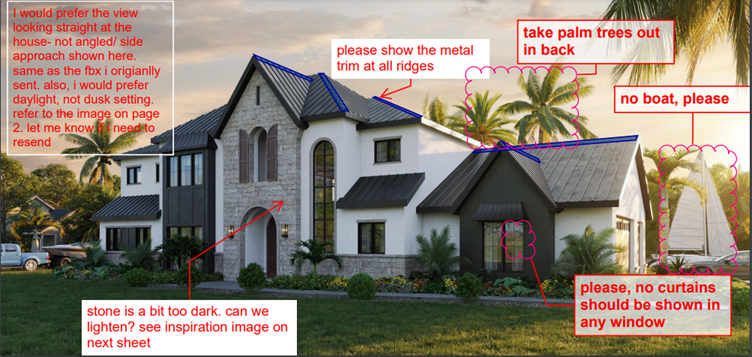
First Draft and Revisions: Having finished the workspace layout, the team worked on the preliminary draft of render that settled on a straight view to the building. The architect required a shift in the camera’s position in order to include the specific features of the architecture that were missed in the first draft. We decided to minimise the revision feedback loop by sending a picture of the modified 3D object to the customer before the updated render was carried out.

3d-home-exterior-rendering-florida-architect-client-requirements-2

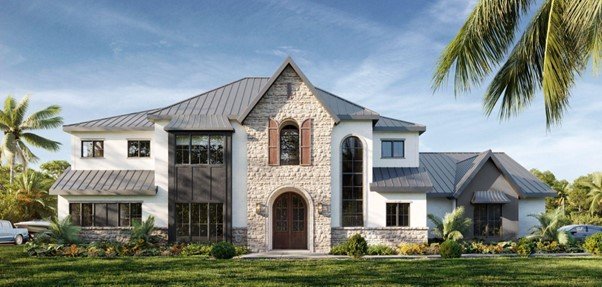
Final Render: Once the architect sanctioned the new camera angle which was based on a 3D screenshot, we went ahead and finalized the render. This step included optimizing the light conditions, improving the models’ textures and working on post-processing to improve the overall rendering quality. After making the changes, we transferred the final render which satisfied the client in terms of the accuracy of the design and the pleasing nature of the design.

front-home-exterior-rendering-florida-architect-final

How do architects benefit from 3D Rendering

As our client from Florida indicates, architects tend to have a hard time when they need to reproduce their designs from the paper-based or computer-aided design busting out of some CAD models. On the other hand, 2D drawings bring out the basic technical requirements, but at times they are not enough to communicate the full scope of a design especially materials, light, and surroundings. 3D rendering comes to the rescue.

Better Visualization: in the cases of 3D renders, architects have an advantage of being able to understand their designs better, which was unfortunately not possible with simple drawings. The reason for this is that it enables the architect to visualize the building in a 3D environment where the actual colors, materials, and even textures will be used within that space. This will assist in making appropriate design decisions early in the process.

Material Selection: 3D rendering generally makes it possible for experimentation with materials as one of the major advantages of the application. In our project, the architect had already placed materials in the 2D drawings with one specific option only, however, with aid of 3D rendering, we were able to demonstrate all the scenarios and how those materials will get reflected under different lighting and environmental factors. There would have been some hesitations or interests to try other materials during construction or see the results first and whether it was worth doing this effort without the render.

Client Presentations: The other benefit of 3D rendering which is so important and worthy is the improved interaction of architects with their potential clients. For architects who have to communicate their ideas to stakeholders, or when the ideas are subject to appraisal by developers or homeowners, such a picture can bear fruits. It eliminates the amenity between the structural plans and the actual structure such that the clients are able to see the appearance of the building and comment on it.

In this particular situation, the visual aspect helps in showing the architects’ ideas and concepts more effectively. So the said clients were first shown the render and then asked whether they would want the object constructed in that manner. This not only assisted in chopping off the extent of client-risk but ensured that the project was going to proceed without any client beg pardon.

How Ratio Visuals Helps Architects Achieve Their Vision

At Ratio Visuals, we appreciate the complications of architectural problems vis a vis the need for effective communication of concepts through clouds of incredible looking three dimensional images. Our expertise is also beneficial to the specific expectations of architects, assistance in appropriate prioritisation for architects so that they:

Refine Material Choices: Our architecture renders achieve upper-level realism and accuracy so that the architects can rely on the very high-quality detail of materials represented in the 3D renders and define the materials for their further use in the architecture projects.

Visualise Lighting and Environment: We are good at projecting physical and artificial light and at adjusting it to fit into different times of the day or weather or seasons. Thus, architects can appreciate how it would look on the ground.

Iterate Quickly: We appreciate that there will always be changes to any design so we know that revisions are only normal. Hence, we have a good relationship with our clients as we provide them with a draft and mock one so that at the end of it all the render is what they wanted.

Impress Clients: Our photorealistic renders assist architects in depicting their works more effectively, with compliance to all engineering norms, and with the ‘wow’ effect to their clients’ service.

Conclusion

This project illustrates how important 3D rendering is in reaching the architectural design goal. The interaction with the architect from Florida allowed us not only to transform a two-dimensional design and a three-dimensional Revit model into an impressive three-dimensional exterior rendering aimed to demonstrate the design but even more. Our client appreciated the flexibility and precision of working with 3D renders enhancing the design process and making it more favourable to both the architect and his clients.

Here at Ratio Visuals, we consider ourselves a dependable partner for architects who want to upgrade their projects by providing them with a state-of-the-art 3D rendering. Our services also allow a better execution of projects on time and with fewer mistakes, but also allow architects to embody their creations into something that is