Easy Render Alternative: What to Compare Before You Order
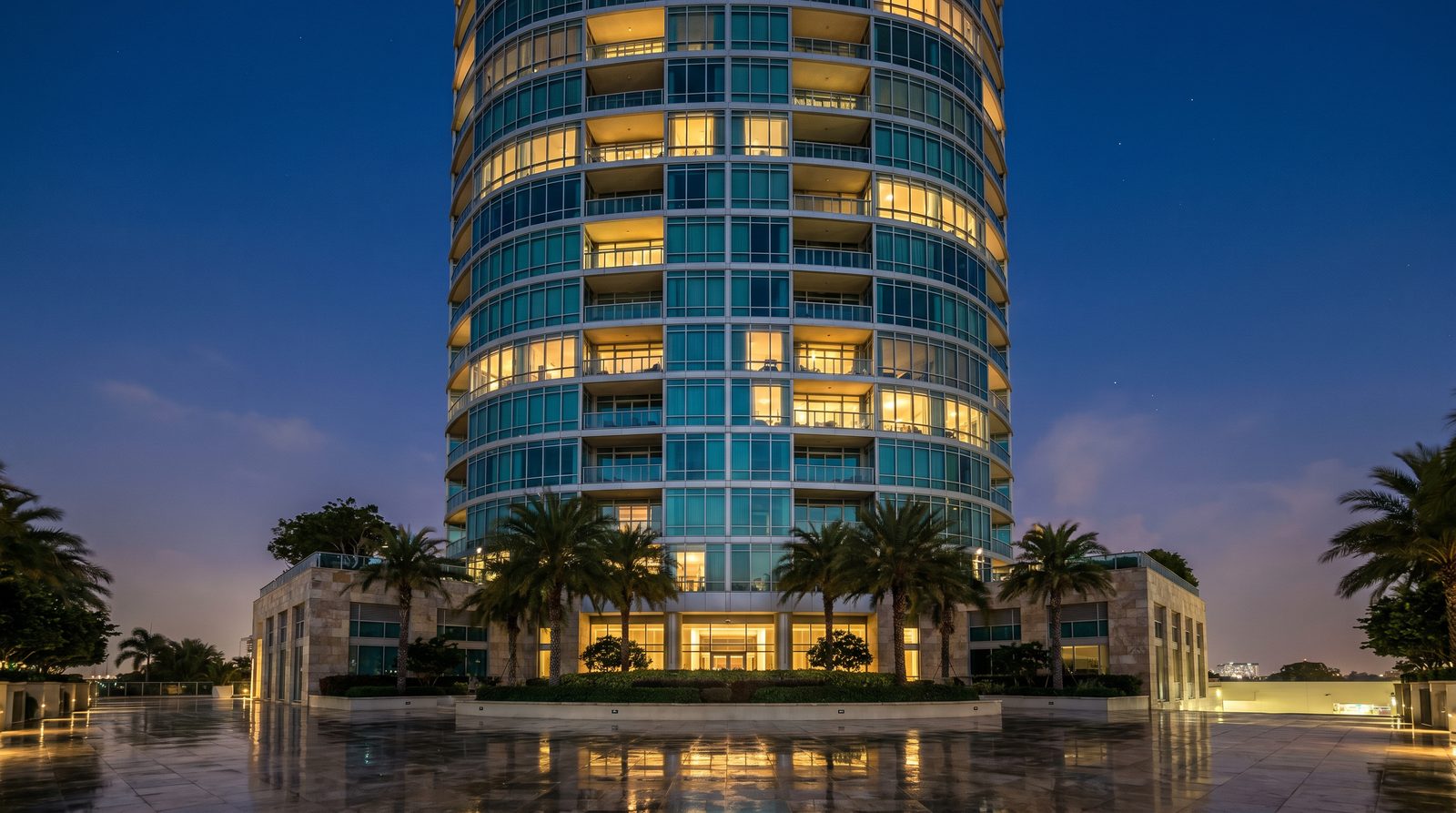
The best Easy Render alternative for US developers and architects is a dedicated architectural-visualization studio that quotes your specific project, assigns a consistent team, and delivers photorealistic renders without the uncertainty of a freelance marketplace. Easy Render works well for simple, one-off briefs where price competition matters most; a studio relationship is better when quality consistency, project management, and turnaround reliability are the priority.
Ratio Visuals' take: We see developers come to us after a marketplace experience where three artists quoted the same brief three different ways — different styles, different timelines, no single point of contact. The core issue isn't the price; it's that a marketplace optimizes for the transaction, not the project outcome. When a developer is selling 40 units off-plan, consistency across every view matters more than saving on any single image.
What is Easy Render, and who is it actually for?
Easy Render is a freelance marketplace at easyrender.com where clients post a rendering brief and receive competing custom offers from independent 3D artists. It is not a fixed-price software tool or a studio with a single production team. It suits architects and small developers who want to compare artist portfolios and negotiate price on a project-by-project basis.
The platform covers exterior, interior, commercial, floor-plan, and photorealistic rendering categories. Because pricing is quote-driven rather than packaged, the cost of any given project is only known after artists respond to your brief. Easy Render's own pricing page shows aggregate data from recent completed projects as guidance ranges, not guaranteed rates.
Easy Render vs. a dedicated visualization studio: side-by-side comparison
| Factor | Easy Render (marketplace) | Ratio Visuals (dedicated studio) |
|---|---|---|
| What it is | Freelance marketplace; independent artists bid on your brief | US architectural-visualization studio; dedicated project team |
| Best for | One-off briefs, price-sensitive projects, simple renders | US developers, architects, and builders needing consistent photorealism across a project suite |
| Pricing model | Custom artist quotes; no fixed packages. As of November 2026, platform-wide median ~$270/project, with guide ranges per service type on their site | Custom project quote; enquiry with drawings gets a shot list, timeline, and proposal within one business day. No published fixed rates. |
| Output types | Exterior, interior, floor plan, commercial, photorealistic stills | Exterior, interior, landscape & pool, aerial, real-estate marketing renders, animation/walkthrough, 3D floor plans |
| Team consistency | Different artist per project; style and quality vary by who bids | Same studio team across all deliverables on a project |
| What you provide | Project brief posted to the platform; artists interpret it | Drawings, site context, material specs, and a moodboard; studio builds the shot list with you |
| Geographic focus | Global artist pool | US-focused; primary market Tampa, FL; serves developers nationwide |
| Known limitations | Cost unknown until bids arrive; quality depends on which artist you select; no guaranteed single point of contact | Not a self-serve tool; requires a brief and consultation; not suited to buyers who want instant automated renders |
When is Easy Render the better choice?
Easy Render is genuinely well-suited to certain situations. If you have a single, clearly scoped render — say, one exterior view of a residential addition — and your primary concern is finding the lowest competitive price, the marketplace model works in your favor. You post once and receive multiple offers, which lets you compare portfolios and rates side by side before committing.
It also works for buyers who are comfortable managing the artist relationship themselves: reviewing bids, selecting a freelancer, and handling revision rounds directly. If you have done this before and know what to look for in a 3D portfolio, the platform gives you access to a wide range of artists at varying price points.
For simple floor-plan renders or concept-stage sketches where photorealism is not the goal, the cost efficiency of a marketplace can outweigh the consistency trade-off.
When does a dedicated studio make more sense?
A dedicated architectural-visualization studio is the stronger choice when project scope, quality consistency, or timeline reliability cannot be left to a competitive bidding process. For US developers running pre-sales campaigns, investor decks, or lease-up marketing, every render in a suite needs to match in lighting, material treatment, and camera style — something a rotating cast of freelancers rarely delivers without significant client oversight.
Studios also carry the full production stack in-house: modeling from your drawings, PBR material libraries, global illumination setups, post-production, and revision management. You brief once and receive a coordinated deliverable, not a collection of files from different artists.
If your project involves exterior rendering across multiple building types, interior visualization of amenity spaces, or landscape and pool renders that need to work together in a single marketing package, a studio relationship removes the coordination burden from your team.
What drives the cost of architectural rendering — regardless of where you order?
Whether you use a marketplace or a studio, the same project variables determine what a render costs. Understanding them helps you evaluate any quote you receive.
- Number of views: Each camera angle is a separate deliverable. A single exterior still costs less than a six-view marketing suite.
- Modeling complexity: A simple rectangular volume with flat facades models faster than a mixed-use tower with curtain-wall glazing, canopies, and custom millwork.
- Lighting scenario: Daylight renders are faster to set up than dusk or night scenes, which require interior light bleed, artificial light sources, and longer render times.
- Level of detail: Photorealistic PBR materials, site context (neighboring buildings, landscaping, vehicles, people), and post-production compositing all add time.
- Animation vs. stills: A walkthrough or flythrough requires frame-by-frame rendering; it is a different cost category from still images entirely.
- Source files provided: Handing over a complete Revit or CAD model with material callouts is faster to work from than a PDF floor plan and a verbal description.
For a detailed breakdown of what affects rendering costs, see our rendering cost guide.
How does Ratio Visuals handle a new project enquiry?
Send us your drawings — floor plans, elevations, site plan — along with a material palette and any reference images. We review the scope, build a shot list with you, and return a proposal with a timeline within one business day. There are no bidding rounds, no artist selection process, and no ambiguity about who is producing your work.
We work with US real-estate developers, architects, and design-build firms on exterior stills, interior visualization, landscape and pool renders, aerial views, and full marketing render packages. See the full scope on our real-estate rendering services page.
If you are evaluating options, the fastest way to compare is to send us the same brief you would post to a marketplace. You will have a specific proposal — not a bid range — by the next business day.
Send us your brief and get a proposal within one business day →
Frequently asked questions
Is Easy Render a legitimate platform for architectural rendering?
Yes. Easy Render is a legitimate freelance marketplace connecting clients with independent 3D artists for architectural visualization projects. It has a track record of completed projects and published aggregate pricing data. The main trade-off is that quality and consistency depend on which artist you select from the bids you receive, not on a single production team.
How does Easy Render's pricing work, and why isn't there a fixed rate?
Easy Render uses a custom-quote model: you post a brief, artists submit offers, and you choose one. The platform publishes aggregate data and per-service guide ranges on its pricing page, but these are not guaranteed rates — your actual cost depends on your brief's complexity and which artist bids. As of November 2026, the platform's own data shows a median completed-project cost of around $270, with a wide range across project types.
What should I compare when choosing between a marketplace and a studio?
Compare team consistency, project management overhead, and output quality across a suite of views — not just the per-image price. Marketplaces are cost-efficient for single, simple renders. A dedicated studio is better when you need multiple views to match in style and lighting, or when you cannot afford to manage artist selection and revisions yourself.
Can a US developer use Easy Render for a full pre-sales render package?
Technically yes, but it requires careful artist vetting. A pre-sales package typically needs six or more coordinated views — exterior, amenity spaces, interiors, aerial — all matching in material treatment and lighting mood. Achieving that consistency across multiple freelancers on a marketplace takes significant client oversight. A studio that handles the full package under one brief is usually more efficient for that scope.
What information do I need to provide to get a rendering quote?
At minimum: floor plans, elevations, and a site plan. A material palette or finish schedule and reference images for style and mood help significantly. The more complete your brief, the more accurate any quote will be — whether from a marketplace artist or a studio. Vague briefs produce wide quote ranges and revision risk on both platforms.
Last updated: November 2026