Best Architectural Rendering Companies in the USA: How to Compare Them (2026 Checklist)
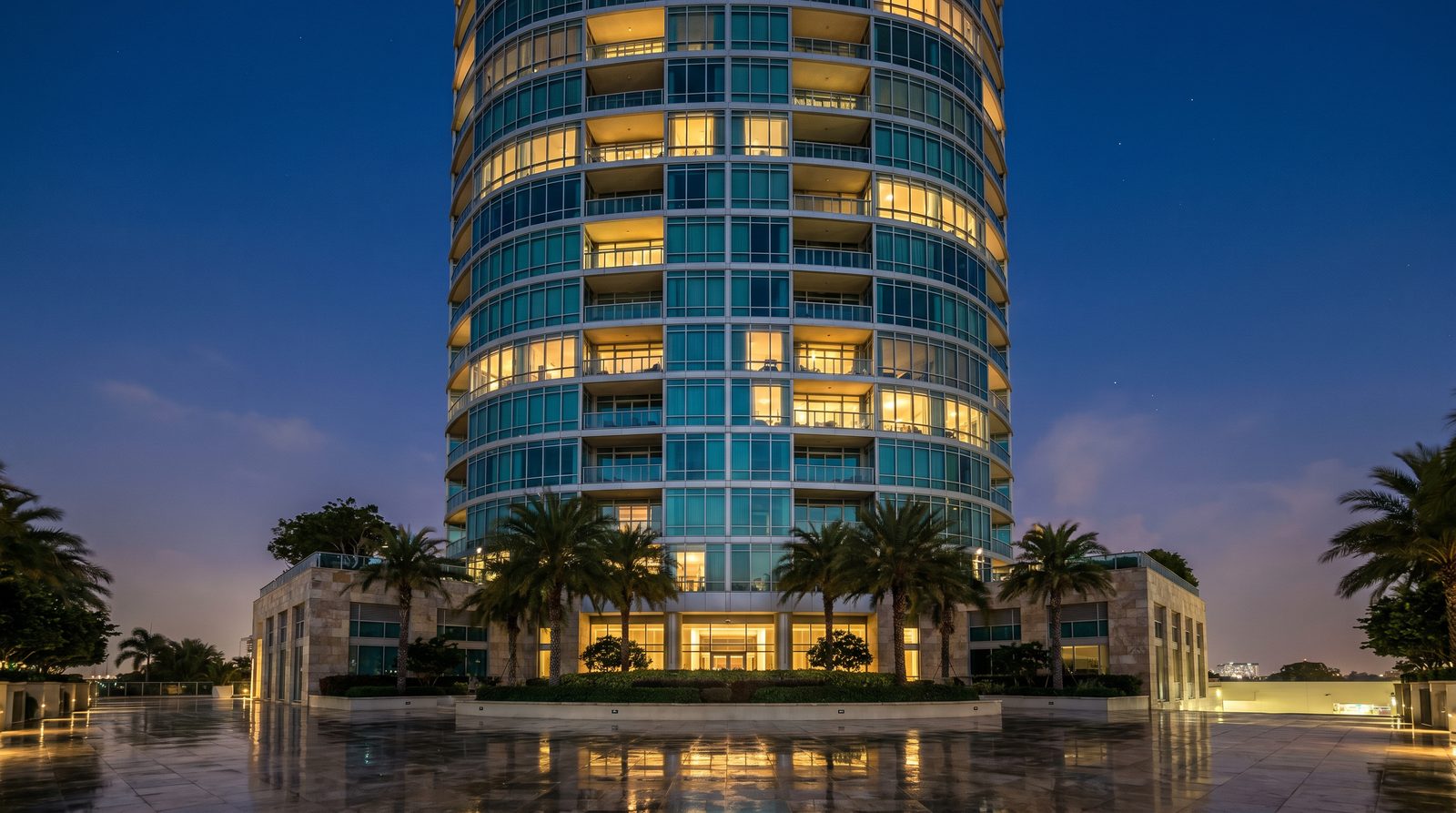
The best architectural rendering company for a US developer or architect depends on project scale, service scope, and how much hand-holding you need. Boutique studios like Ratio Visuals suit developers who want direct communication and fast turnaround on exterior, interior, and landscape renders. Large agencies like Neoscape suit flagship projects needing full brand and film campaigns. Volume-focused studios like ArchiCGI suit teams with frequent, repeatable briefs. Binyan Studios targets luxury property marketing at the high end.
Ratio Visuals' take: The most common mistake we see is developers choosing a studio based on portfolio aesthetics alone, then discovering the studio's communication model doesn't fit their timeline. A studio that produces beautiful work but takes two weeks to respond to revision notes will cost you more than a slightly less glamorous studio that turns around feedback in 24 hours. Always test communication speed before committing to a full project.
What makes a rendering company worth hiring in 2026?
A rendering company earns its fee by delivering photorealistic visuals on time, with revision cycles that fit a developer's sales or approval schedule. The five criteria that separate strong studios from mediocre ones are output quality, communication speed, brief-handling (how well they extract what they need from your drawings), revision policy, and pricing transparency. A studio that scores well on all five is rare; knowing which criteria matter most for your project type is how you choose correctly.
From first-hand experience producing exterior renders and interior renders for US developers, the brief-handling step is where most delays originate. Studios that assign a dedicated point of contact and confirm the shot list before starting almost always deliver on schedule. Studios that begin work from an incomplete brief almost always require extra revision rounds.
How do Binyan Studios, Neoscape, ArchiCGI, and Ratio Visuals compare?
These four studios represent distinct tiers of the US architectural rendering market. Binyan and Neoscape operate at the premium agency end for large developments; ArchiCGI is a high-volume specialist with published baseline prices; Ratio Visuals is a developer-focused US studio offering direct-access service across exterior, interior, landscape, and aerial work. The table below compares them on the criteria that matter most to buyers.
| Criterion | Binyan Studios | Neoscape | ArchiCGI | Ratio Visuals |
|---|---|---|---|---|
| Type | Property marketing & visualization studio | Full-service creative agency (brand, film, CGI, digital) | High-volume 3D visualization studio | Developer-grade visualization studio (US-based) |
| Best for | Luxury & large-scale residential/mixed-use marketing | Large institutions & flagship developments needing brand + CGI + film | Architects, builders & designers with frequent, repeatable briefs | US developers, architects & builders needing exterior, interior, landscape & aerial renders |
| Core services | Architectural visualization, project storytelling, presentation assets | Strategy, branding, renderings, film, digital twins, VR/AR, websites, media | Interior & exterior stills, aerial CGI, 3D animation, floor plans, 360 tours, virtual staging | Exterior, interior, landscape & pool renders; real-estate marketing renders; aerial; animation |
| Pricing model | Quote-only; no published prices (as of November 2026) | Quote-only; no published prices (as of November 2026) | Per-deliverable baseline prices published; final quotes vary by complexity | Quote-only; proposal within one business day of receiving drawings |
| Published price reference | Not published | Not published | Interior stills from $150/view; exterior residential from $300/view; commercial/aerial from $600/view; 3D floor plans from $99; animation from $30/sec (Full HD) — as of November 2026 per ArchiCGI's own published 2026 pricing | Not published; enquire for a tailored proposal |
| Studio location | International (includes Kathmandu studio) | Boston, New York, Chicago | International (600+ artists, 24/7 production) | Tampa, Florida — US-wide remote |
| Scale | Not publicly disclosed | Large agency | 600+ 3D artists; 3,000+ clients worldwide | Boutique; direct founder access |
| Known limitations | No public pricing, delivery times, or service list; limited operational transparency | Premium positioning; typically not suited to small or budget-constrained projects | Baseline prices are starting points; complex projects quoted separately; some services (VR tours, cinemagraphs) not priced publicly | Boutique capacity; not a high-volume factory model |
Competitor data sourced from official websites and independent reviews checked in November 2026. See archicgi.com, neoscape.com, and research cited above for current details.
When is Binyan Studios the better choice?
Binyan Studios is the stronger choice when a developer is launching a luxury or large-scale residential or mixed-use project and needs high-end marketing imagery and presentation assets as the primary deliverable. Its focus on property sector storytelling makes it a natural fit for branded residences and premium tower launches where the visual narrative is as important as individual renders.
However, because Binyan publishes no pricing, delivery timelines, or formal service packages (as of November 2026), buyers must enter a discovery conversation before understanding scope or cost. That opacity is manageable for large projects with long lead times but is a friction point for developers who need a quick turnaround quote.
When is Neoscape the better choice?
Neoscape is the stronger choice when a large institution or flagship development needs a single agency to handle strategy, naming, visual identity, CGI, film, digital twins, VR/AR, and web — the full go-to-market ecosystem around a major asset. Its Boston, New York, and Chicago studio presence suits clients who value in-person collaboration on complex campaigns.
Neoscape is generally not aimed at small or budget-constrained projects. If you need only renderings — not brand strategy, film, or a website — a full-service agency adds overhead that a specialist visualization studio does not. Neoscape does not publish prices; all engagements are custom-quoted.
When is ArchiCGI the better choice?
ArchiCGI is the stronger choice for architects, builders, and design teams that produce a consistent volume of visualization briefs and want published baseline prices to budget against. Its 600+ artist team and 24/7 production model means high throughput, and its per-deliverable pricing (stills, floor plans, animation by the second) is the most transparent of the four studios reviewed here.
The trade-off is scale: a high-volume international studio optimized for throughput operates differently from a boutique studio where the founder reviews every frame. Teams that value a personal point of contact and iterative creative dialogue may find the volume model less responsive to nuanced brief changes. ArchiCGI's baseline prices are starting points; final quotes for complex commercial or aerial work will be higher.
When is Ratio Visuals the better choice?
Ratio Visuals is the stronger choice for US developers, architects, and builders who want developer-grade photorealism with direct studio access, fast brief turnaround, and a single point of contact who understands the US market. We produce exterior, interior, landscape and pool renders, aerial views, and real-estate marketing renders for projects across the country from our Tampa base.
Our model: send us your drawings and a shot list, and we return a proposal — including scope, timeline, and pricing — within one business day. That speed matters when a sales launch or investor presentation has a fixed date. We are not a high-volume factory, which means every project gets direct attention rather than being processed through a production queue.
For developers specifically, our real-estate rendering services page covers how we support pre-sales, lease-up campaigns, and investor decks with the visual assets that move decisions.
What is the checklist for comparing rendering companies?
Use this checklist before committing to any architectural rendering studio, regardless of size or reputation. The questions are ordered by the stage at which they typically surface in a project.
- Portfolio match: Does the studio's published work include your building type (residential tower, mixed-use, hospitality, single-family) and your preferred lighting style (dusk, daytime, interior)?
- Brief handling: Will they assign a dedicated contact who confirms the shot list before work begins, or do they start from whatever you send?
- Revision policy: How many revision rounds are included, and what triggers an additional charge?
- Turnaround time: What is the realistic delivery window for your volume of views, and does that fit your sales or approval deadline?
- Pricing model: Is pricing per view, per project, or per campaign? Are baseline rates published, or is everything quote-only?
- Communication speed: How quickly do they respond to a new enquiry? A studio that takes three days to answer a sales email will take three days to answer a revision note mid-project.
- File deliverables: What formats, resolutions, and file types do you receive? Can you get layered files or raw passes for post-production?
- Service scope: Do you need only stills, or also animation, floor plans, aerial views, or virtual tours? Does the studio cover all of them, or will you need multiple vendors?
- US market familiarity: Does the studio understand US building materials, zoning aesthetics, and the visual language of US real-estate marketing?
- References or repeat clients: Can the studio point to developers or architects who have used them across multiple projects?
What drives the cost of architectural rendering?
Architectural rendering cost is determined by a set of project-specific variables, not a fixed menu. Understanding these drivers helps you budget accurately and compare quotes from different studios on equal terms.
- Building type and complexity: A single-family home exterior is simpler to model than a 40-story mixed-use tower with curtain-wall glazing and a podium retail level.
- Number of views: Each additional camera angle requires its own lighting setup, context modeling, and post-production pass.
- Lighting scenario: Dusk and night renders require more complex lighting rigs than standard daytime shots; interior renders with multiple light sources add setup time.
- Context and entourage: Urban streetscapes with populated sidewalks, vehicles, and neighboring buildings cost more than isolated building shots on a plain background.
- Animation length and complexity: Walkthroughs are priced by the second or by scene count; camera paths through complex interiors with dynamic lighting cost more per second than simple fly-arounds.
- Materials and finishes detail: Projects with custom PBR material libraries (stone patterns, bespoke cladding, branded finishes) require more setup than standard material libraries.
- Revision rounds: Studios that include unlimited revisions price that risk into the base quote; studios with fixed revision counts may charge for additional rounds.
- Turnaround speed: Rush delivery typically carries a premium.
For a detailed breakdown of what drives rendering costs for US projects, see our rendering cost guide.
Frequently asked questions
Which architectural rendering company is best for a small US developer?
For small US developers, a boutique studio with direct founder access and a fast quote process typically outperforms a large agency. Look for a studio that responds to enquiries within one business day, publishes a clear revision policy, and has a portfolio that includes your building type. Large agencies like Neoscape are generally positioned for flagship institutional projects, not smaller residential or mixed-use briefs.
Does ArchiCGI publish its prices for 2026?
Yes. As of November 2026, ArchiCGI publishes baseline per-deliverable prices on its website: interior stills from $150 per view, exterior residential stills from $300 per view, commercial and aerial stills from $600 per view, 3D floor plans from $99, and animation from $30 per second at Full HD. These are starting points; final quotes depend on project complexity and scope.
Do Binyan Studios or Neoscape publish their prices?
Neither Binyan Studios nor Neoscape publishes a price list or standard packages as of November 2026. Both operate on a custom-quote basis. Any price ranges attributed to them in third-party comparison articles are not drawn from their own published rates; always request a direct quote for an accurate figure.
What should I send to a rendering studio to get an accurate quote?
Send your architectural drawings or CAD files, a shot list (number of views, camera angles, interior or exterior), any reference images for lighting and mood, a materials and finishes schedule, and your delivery deadline. The more complete the brief, the more accurate the quote — and the fewer revision rounds you will need mid-project.
How long does architectural rendering take?
Turnaround depends on view count, complexity, and studio capacity. A single exterior still from a well-briefed project can be ready in three to five business days at a boutique studio. Multi-view packages for a residential tower, or animation sequences, typically run two to four weeks. Always confirm the timeline before signing off on a brief, especially if you have a fixed sales or approval deadline.
Contact Ratio Visuals with your drawings and shot list — we return a scoped proposal within one business day.
Last updated: November 2026