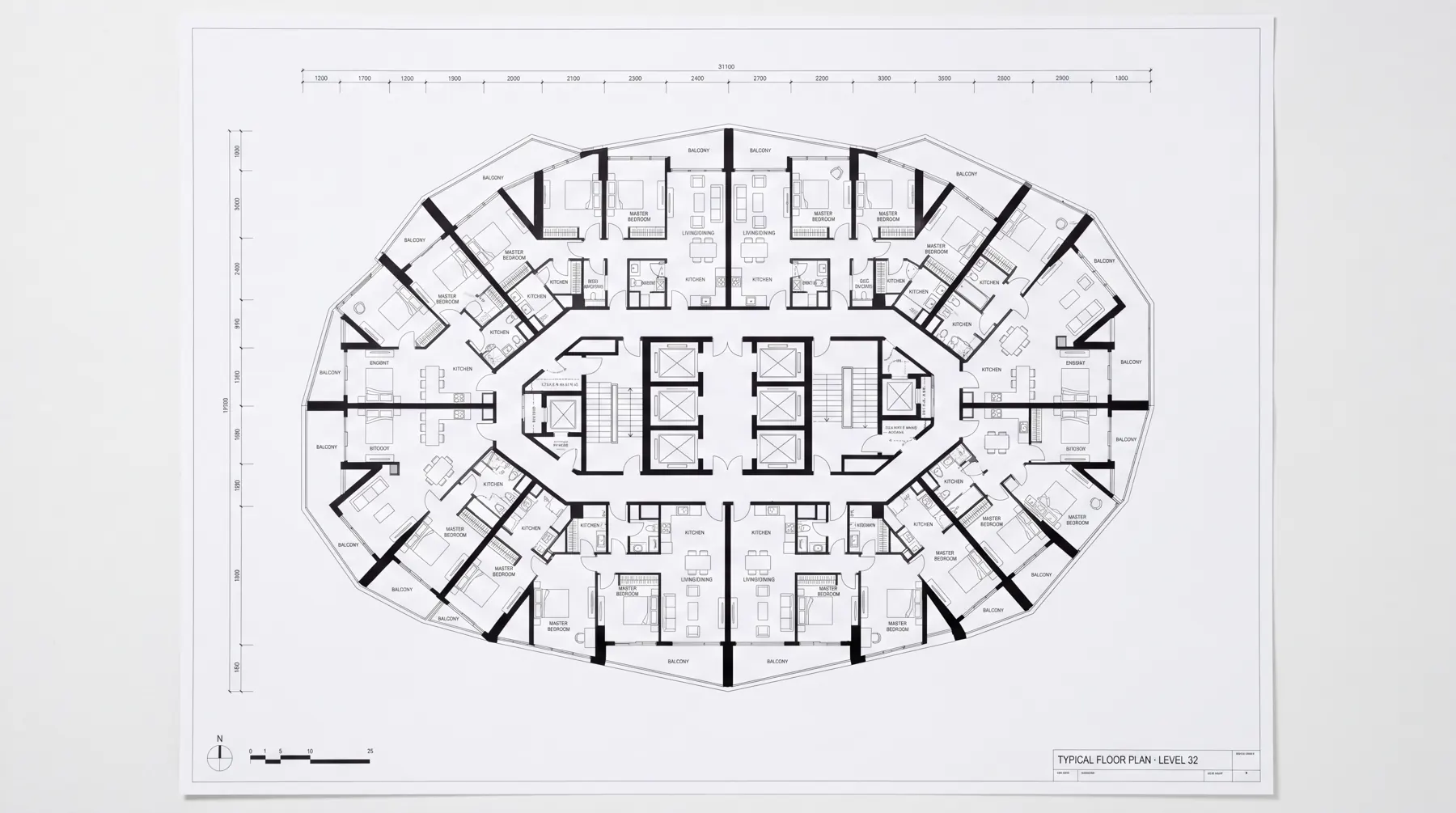
2D rendering produces flat drawings or elevations; 3D rendering builds the project as a spatial model and produces photoreal images from any angle, with real light, materials and depth. 3D is what lets a client feel a space and what sells an unbuilt project — 2D is best for technical and plan-level communication.
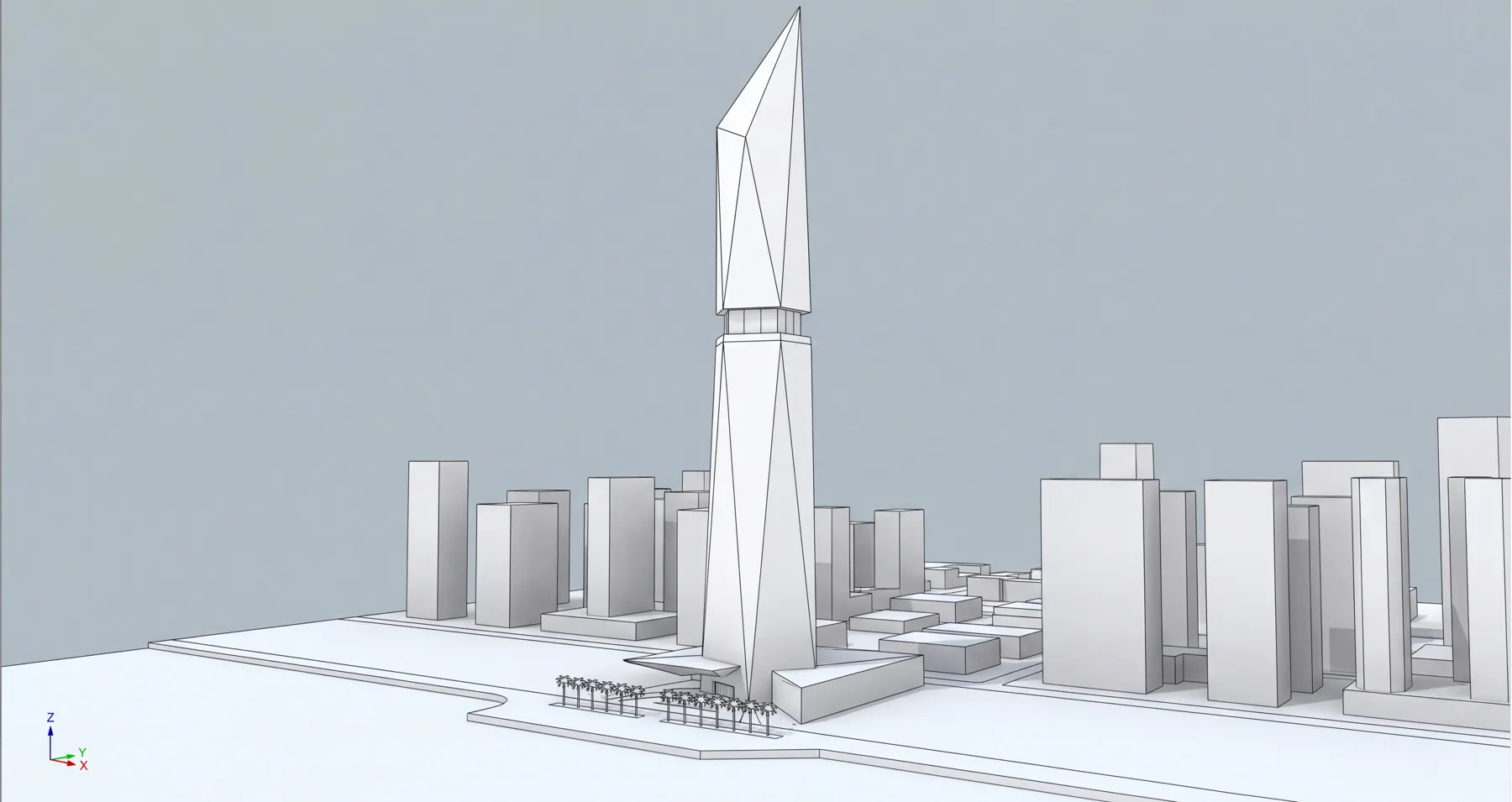
2D is a flat representation — plans, elevations, coloured drawings. 3D builds the project as a true spatial model, then photographs it with accurate light, materials and depth from any viewpoint.
Most buyers can't read a plan. A photoreal 3D render lets them stand in the room, see the view, and picture living or working there — which is what closes a pre-sale or wins an approval.
For permitting, technical coordination and quick layout communication, 2D plans and a clean 3D floor plan can be all you need. The two work together — 3D for the sell, 2D for the build.
For selling and approvals, yes — 3D lets people feel the space. For technical and plan-level communication, 2D is still ideal. Most projects use both.
Yes — for permitting and construction. 3D renders sit on top of them for marketing and decisions.
A furnished, textured top-down or dollhouse view — a bridge between a flat 2D plan and a full 3D render. See our 3D floor plans.
Send us your project and get a fixed quote — usually within one business day.
Start a project →