Cad Crowd Rendering Alternative: Dedicated Studio vs. Freelance Marketplace
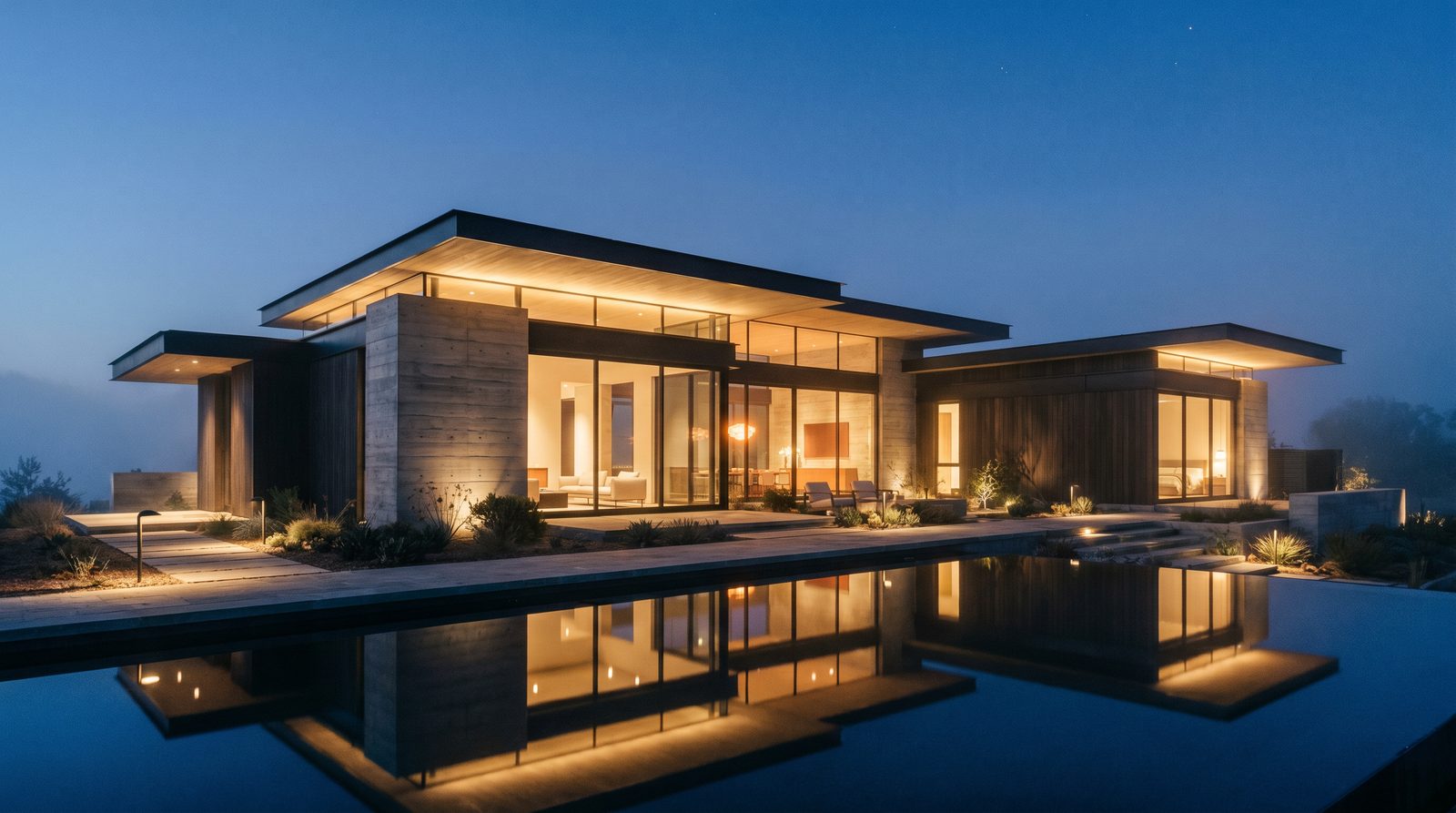
The best Cad Crowd rendering alternative for most US developers and architects is a dedicated architectural-visualization studio: you get a single point of contact, consistent photorealism, and managed revisions rather than re-bidding each project to a rotating pool of freelancers. Freelance marketplaces work for one-off, budget-sensitive tasks; dedicated studios are built for repeat project pipelines, pre-sales campaigns, and marketing-grade output.
What Is Cad Crowd and What Does It Offer?
Cad Crowd is a US-based freelance marketplace that connects clients with independent CAD drafters, 3D modelers, and rendering artists. Clients post a project, receive bids, and hire a freelancer directly. The platform covers a wide range of technical services — architectural drafting, product design, engineering drawings — with 3D rendering as one of many offerings. Quality, turnaround, and communication depend entirely on which freelancer wins the bid.
Why Developers and Architects Look for Alternatives
Marketplace models introduce friction that dedicated studios eliminate. The most common pain points we hear from developers who have tried platforms like Cad Crowd before reaching out to us:
- Inconsistent quality across projects. A freelancer who delivered strong exteriors may have limited interior or landscape experience. Each new project means vetting a new artist.
- No institutional memory. A studio retains your brand standards, material library, and camera preferences. A marketplace resets them every time.
- Revision management falls on you. On a marketplace, you manage the back-and-forth. A studio has a creative director who absorbs that coordination.
- Photorealism ceiling. Marketing-grade renders — the kind used in pre-sales brochures, investor decks, and listing campaigns — require lighting expertise, PBR material libraries, and post-production that generalist freelancers rarely carry depth in.
- Timeline risk. If a freelancer goes quiet mid-project, you have limited recourse before a deadline.
Dedicated Studio vs. Freelance Marketplace: Side-by-Side
| Factor | Freelance Marketplace (e.g., Cad Crowd) | Dedicated Studio (e.g., Ratio Visuals) |
|---|---|---|
| Quality consistency | Varies by freelancer; re-vetting required per project | Uniform studio standard across every deliverable |
| Point of contact | Different freelancer each bid cycle | Single creative director who knows your projects |
| Scope coverage | Generalist; rendering is one of many services | Specialist; exterior, interior, landscape, aerial, animation |
| Revision process | Client-managed; freelancer availability varies | Studio-managed; structured rounds with clear scope |
| Photorealism level | Ranges from basic to advanced depending on artist | Marketing-grade photorealism as the baseline |
| Project memory / brand standards | None retained between projects | Material libraries, camera presets, brand notes retained |
| Pricing model | Bid-based; varies per project and freelancer | Quoted per project scope; no bidding overhead |
| Best for | One-off, budget-sensitive, non-marketing tasks | Pre-sales campaigns, investor decks, repeat pipelines |
When a Freelance Marketplace Is the Right Choice
To be straightforward: Cad Crowd and similar platforms are genuinely useful in the right context. If you need a single technical CAD drawing corrected, a quick concept sketch, or a low-stakes 3D model for internal review — and budget is the primary constraint — a marketplace bid can be efficient. The model works when quality variance is acceptable and you have the time to vet, brief, and manage the freelancer yourself.
When a Dedicated Studio Is the Better Choice
A dedicated architectural-visualization studio is the right call when the output is public-facing or revenue-critical. Specifically:
- Pre-sales and lease-up campaigns — renders that appear in brochures, digital ads, and sales centers before a building is complete. See our developer pre-sales rendering playbook for how this pipeline typically works.
- Hospitality and mixed-use projects — where lighting mood, material accuracy, and lifestyle staging directly influence investor confidence. Our hotel rendering guide covers the specific deliverables hospitality developers need.
- Retail and restaurant concepts — where the render must communicate brand atmosphere before a lease is signed. Our retail and restaurant rendering guide details what to show and when.
- Townhouse and HOA presentations — where exterior accuracy and material specificity are scrutinized by community boards. Our townhouse rendering guide walks through what HOAs and buyers actually want to see.
- Repeat project pipelines — developers building multiple phases or product types who need consistent visual language across every asset.
What Drives the Cost of Architectural Rendering (Without a Marketplace)
Because Cad Crowd uses a competitive bid model, price is highly variable — and low bids often reflect limited photorealism capability or post-production depth. When you work with a dedicated studio, cost is driven by scope, not by who happens to bid that week. The key cost drivers are:
- Building type and complexity — a simple single-family exterior takes less modeling time than a mixed-use tower with curtain-wall glazing.
- Number of views — each camera angle is a separate render with its own lighting setup and post-production pass.
- Lighting scenario — daylight renders are faster to set up than dusk or night scenes, which require careful artificial-light balancing.
- Material and entourage complexity — custom PBR materials, branded finishes, and populated streetscapes add time.
- Animation vs. stills — walkthroughs and flyovers involve frame-by-frame rendering and video post-production, a different cost structure than static images.
- Revision rounds — clearly scoped revision rounds keep costs predictable; open-ended changes do not.
For a detailed breakdown of what influences rendering investment, visit our rendering cost guide.
What to Look for in Any Rendering Studio Alternative
Whether you choose Ratio Visuals or evaluate other dedicated studios, these are the criteria that separate marketing-grade providers from the rest:
- Portfolio depth in your building type. Exterior residential, multifamily, commercial, hospitality, and landscape all require different expertise. Ask to see relevant examples, not a general portfolio.
- Lighting and atmosphere range. Can they show you dusk, overcast, and golden-hour variants — not just a single midday render? In our exterior work, dusk lighting is often the single highest-performing image in a pre-sales campaign, and it requires a different skill set than daytime scenes.
- Material accuracy. PBR (physically based rendering) materials behave correctly under changing light. Ask whether the studio uses physically accurate material workflows or relies on texture overlays.
- Revision process and turnaround transparency. A professional studio should be able to tell you, upfront, how many revision rounds are included and what a typical timeline looks like for your project type.
- Communication structure. Who do you email? Who reviews the work before it reaches you? A single creative director who owns both is a strong signal.
Our exterior rendering specifications guide explains exactly what material and camera-angle information to provide to any studio — useful regardless of who you hire.
Ratio Visuals: What We Do Differently
Ratio Visuals is a US-based architectural-visualization studio serving developers, architects, and design-build firms nationwide from our Tampa, Florida studio. Every project is managed by a single creative director — not routed to a freelancer pool. Our core services cover exterior rendering, interior rendering, landscape and pool visualization, aerial and masterplan renders, and architectural animation.
From hands-on work across exterior, interior, landscape/pool, aerial, and animation projects, we know that the details that move buyers — accurate material reflectance, a credible entourage, a dusk sky that feels like the actual site — are not achievable by rushing a bid. They require a deliberate, experienced eye and a structured process from brief to final file.
We work with developers at every scale: single-family custom homes, townhouse communities, multifamily mid-rises, hospitality concepts, and commercial mixed-use. Our landscape and pool rendering work, in particular, has become a strong differentiator for developers in markets where outdoor living is a primary sales driver — see our landscape and pool rendering guide for what that process looks like.
Frequently Asked Questions
Is Cad Crowd good for architectural rendering?
Cad Crowd can work for basic or one-off rendering tasks where budget is the primary concern and quality variance is acceptable. For marketing-grade, pre-sales, or investor-facing renders, a dedicated architectural-visualization studio delivers more consistent photorealism, managed revisions, and a single accountable point of contact.
What should I look for in a Cad Crowd alternative?
Look for a studio with a portfolio specific to your building type, physically based rendering (PBR) material workflows, a clear revision and timeline process, and a named creative director who owns your project. Generalist platforms are broad by design; a specialist studio is built around architectural output.
How does pricing compare between a marketplace and a dedicated studio?
Marketplace pricing is bid-driven and highly variable — low bids often signal limited post-production capability. A dedicated studio quotes by project scope, so cost is driven by building complexity, view count, lighting scenarios, and animation length rather than by who happens to be available. Predictability is a core advantage of the studio model.
Can a dedicated studio handle multiple project types — exterior, interior, and landscape?
Yes. A full-service architectural-visualization studio covers exterior, interior, landscape, aerial, and animation under one roof. This matters for developers who need visual consistency across a sales campaign — the same material palette and lighting language should carry from the exterior hero shot to the interior amenity render to the pool-deck lifestyle image.
How do I brief a rendering studio to get accurate results?
Provide architectural drawings or CAD files, material specifications with manufacturer references where possible, a site context description, preferred camera angles, and any mood or lifestyle references. The more specific the brief, the fewer revision rounds required. Our exterior rendering specifications guide covers exactly what to prepare before your first call.
Ready to see what a dedicated studio produces? Contact Ratio Visuals to share your project details and get a scoped quote — no bidding required.
Last updated: November 2026